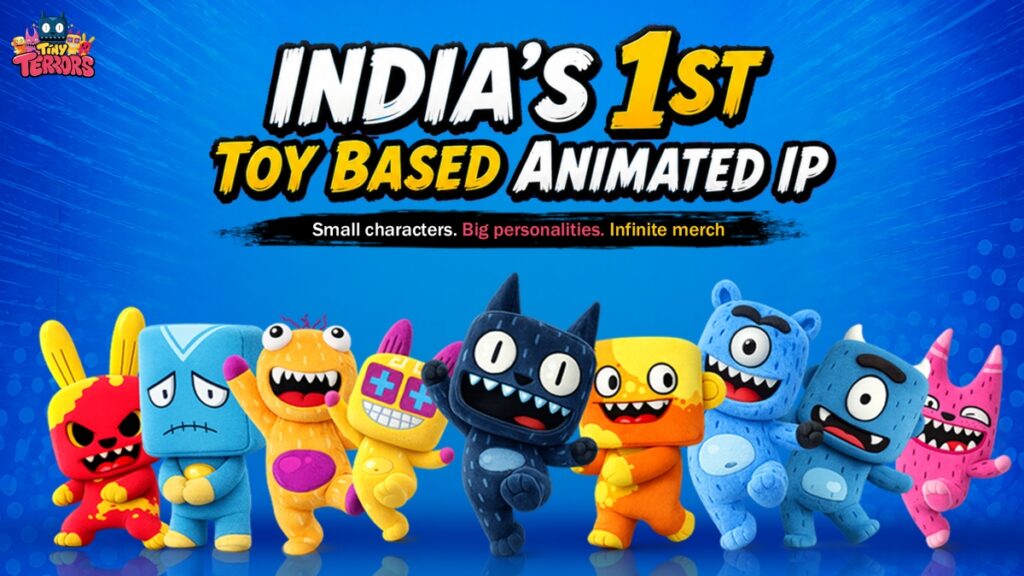
Forget cuddly mascots. India’s Digitoonz marched into Annecy 2026 with a gang of small, mischievous creatures and big ambitions to match. The animation studio stationed itself at Mifa (stand E.04), pitching to broadcasters, producers, and anyone else who fancied a slice of its growing portfolio, and by the sound of it, there was plenty to go around.
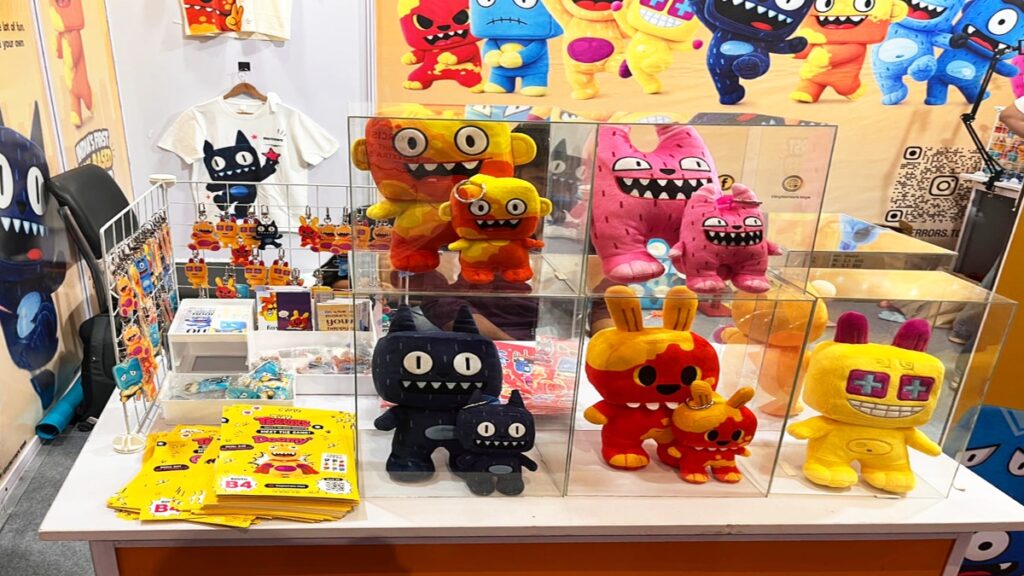
Top of the showbag was Tiny Terrors, billed as India’s first toy-based original IP, and yes, the toys came first, with animation, gaming, merchandise, and publishing all built around them. It was less a cartoon with a toy line bolted on, and more a franchise engineered from the ground up to colonise shelves, screens, and lunchboxes alike. The 360-degree ambition was unmistakable: this was a universe, not a one-off show, and Digitoonz was keen that audiences everywhere, not just in India, felt they had a stake in it.
The studio described the project as combining high-energy slapstick comedy with slick 3D animation, wrapped around a world built for children, minus the lecture-hall tone often associated with meaningful content. Environmental themes sneaked in too, but the studio insisted they arrived without anyone reaching for a sermon. The pitch, essentially, was chaos with a conscience: terrors that were tiny, troublesome, and quietly trying to save the planet between pratfalls.
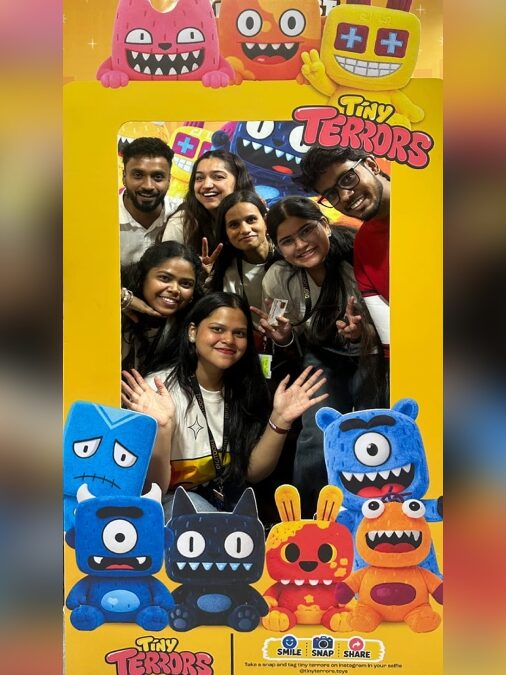
Tiny Terrors had already enjoyed a test run at Anime India Delhi, where Digitoonz said the response from fans was enthusiastic enough to validate the bet. Talking to audiences directly, the team said, sharpened its sense of what viewers actually wanted, rather than what executives in a boardroom assumed they wanted. It was the kind of grassroots reality check that big franchises often skipped, and Digitoonz seemed rather pleased with itself for not skipping it.
Annecy, for Digitoonz, was not just a stand and a stack of business cards. The studio credited the festival with shaping its approach to storytelling and co-production over the years, treating it as an annual masterclass disguised as a networking jamboree. Every edition, the team said, had fed back into how it picked projects and partners, proof, perhaps, that even animation studios needed the occasional reality check from a French ski town.
The bigger picture was even more ambitious: Digitoonz aimed to have ten original IPs in development by the end of the year, spanning three feature films, four franchise-driven properties built for multi-format expansion across animation, games, toys and merchandise, and three further projects exploring new visual styles and storytelling approaches. Tiny Terrors led the pack, but it was clearly intended to be the first of many flagships, not a one-hit wonder.
The studio framed its international push Annecy, Ifa, Mipcom and beyond as part of a wider moment for Indian animation, with co-productions and global partnerships increasingly on the table. Cross-cultural collaboration, Digitoonz argued, was what turned a good story into one that travelled, swapping out parochial quirks for the kind of universal appeal that played equally well in Mumbai, Manchester or Minnesota.
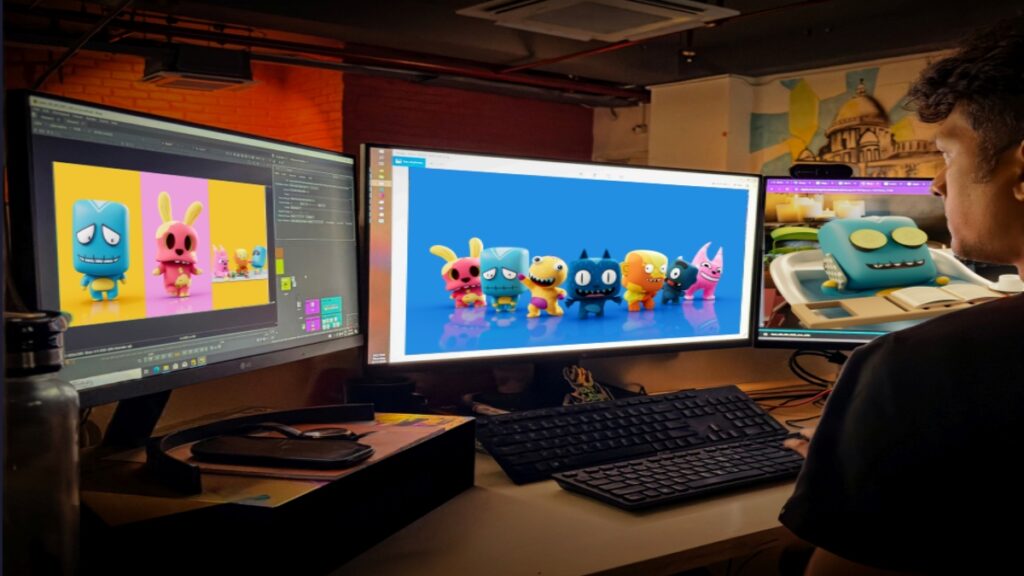
Whether Tiny Terrors would become the next plush toy fighting for space on a child’s bed remained to be seen. But Digitoonz was betting that small, terrifying and Indian-made could be a winning combination on the global stage and if the toy aisle became a little more crowded by next Christmas, nobody could say they had not been warned.
