

The year 2025 unfolded as a paradox for the Indian comic industry, a blend of creative breakthroughs and market challenges, bold collaborations and shifting consumer expectations. While some studios navigated the pressures of generative AI and tightened budgets, others expanded ambitiously, launched new IPs, and strengthened their presence across events, publishing, and transmedia storytelling.
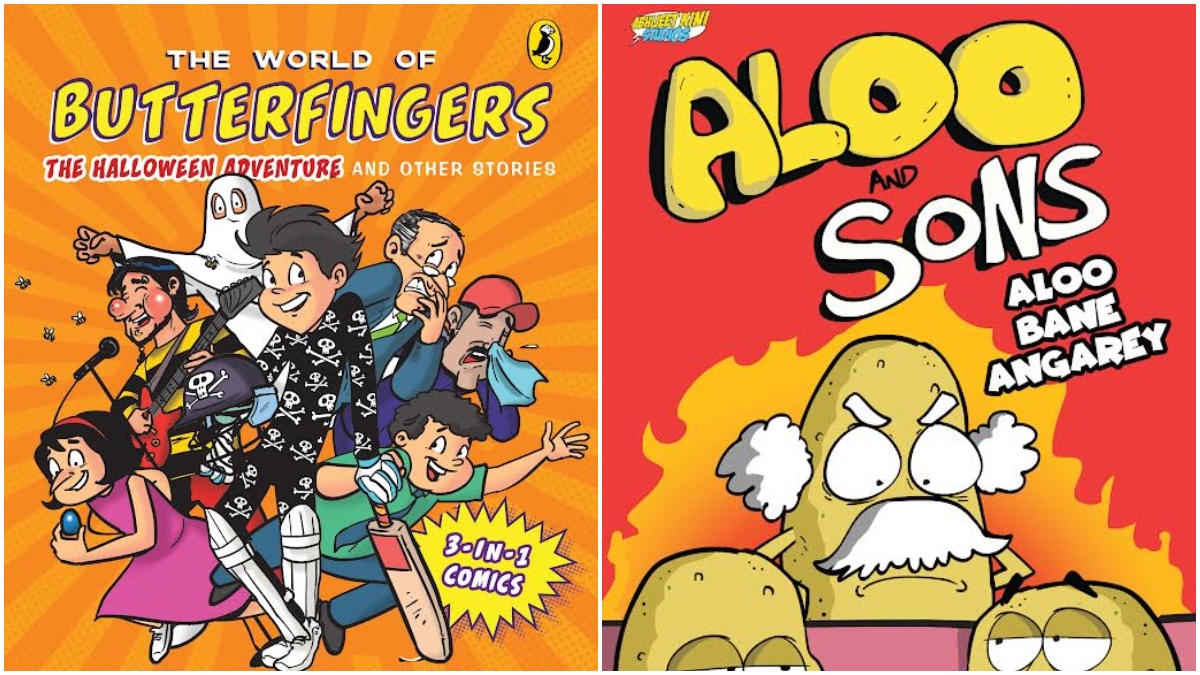
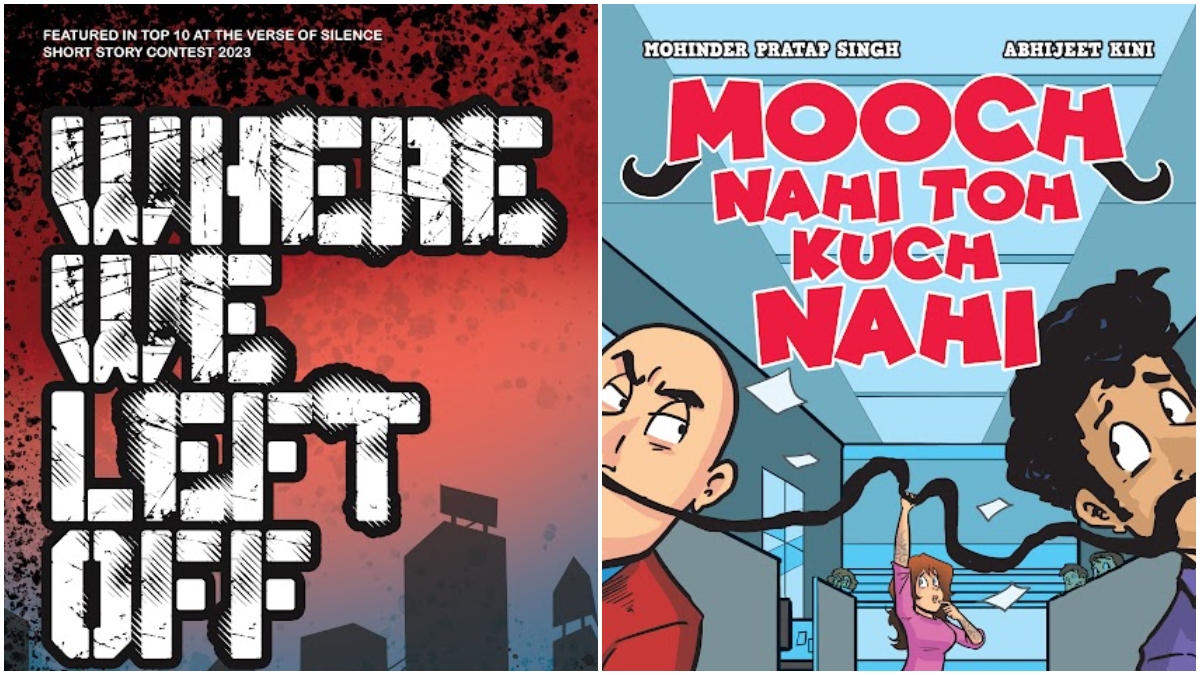
For Kini Studios, 2025 was “one of the busiest years,” according to founder Abhijeet Kini. The studio launched several titles including Aloo and Sons, Where We Left Off, Mooch Nahi Toh Kuch Nahi, Aakar and the New World of Shapes and World of Butterfingers volume two. It also developed a comic series based on the film Kannappa, starring Vishnu Manchu. Alongside publishing, the studio expanded its merchandise catalogue and participated in Comic Cons and the Kala Ghoda Art Festival for the first time. “It was our first time at KGAF and it was a wonderful experience,” Kini said.
Generative AI emerged as a divisive theme across the industry. Kini noted that several projects had shifted towards AI‑generated deliverables, which in some cases displaced traditional artists. He emphasised that authentic creative work cannot be replaced by technology. Looking ahead, he expressed cautious optimism, stressing that the industry’s health depends on audiences and clients valuing the creative process rather than relying entirely on AI.
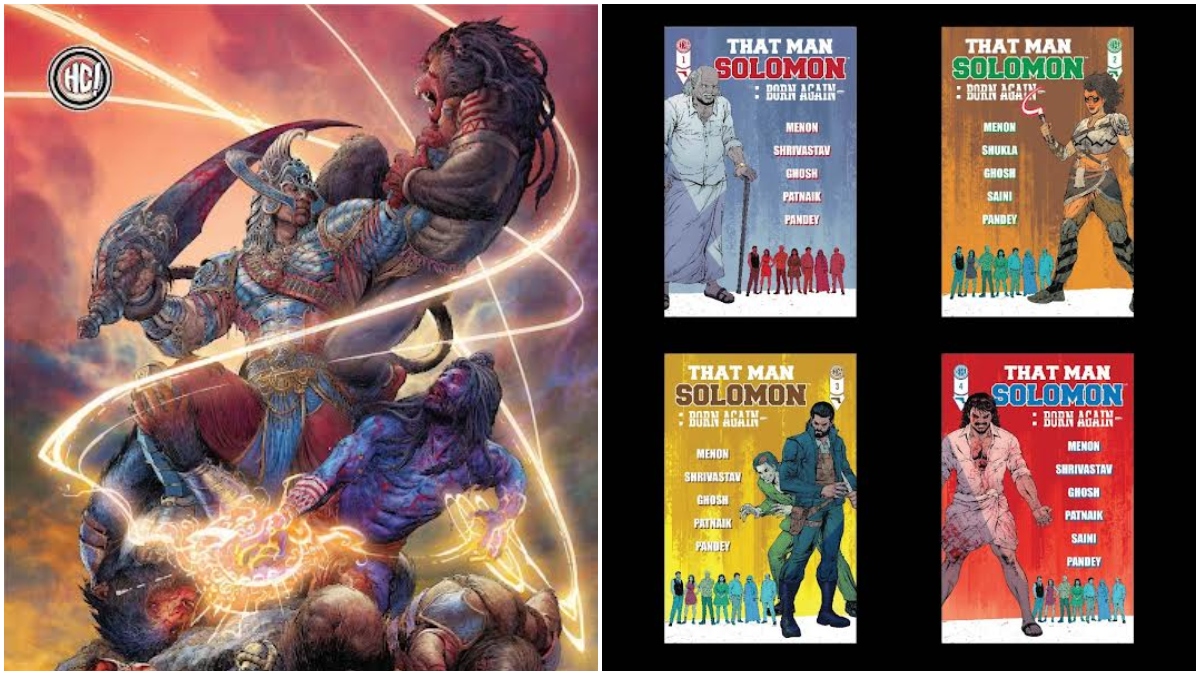
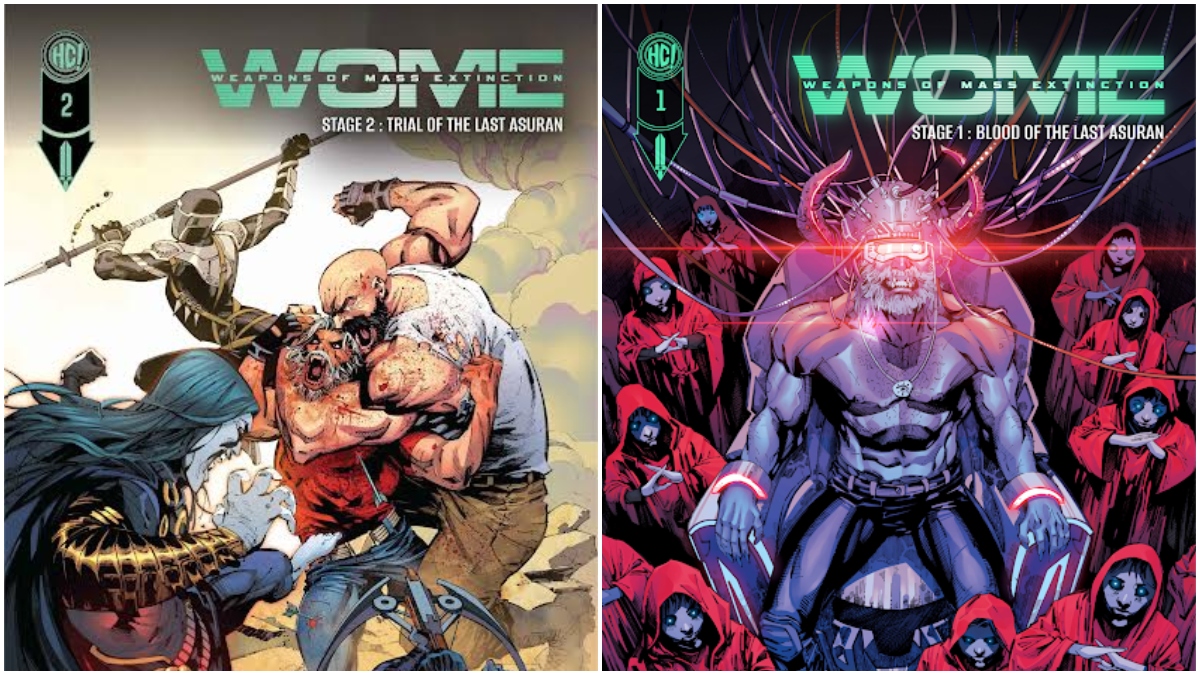
Holy Cow Entertainment had what founder Vivek Goel described as “just amazing” momentum. The studio began the third volume of The Last Asuran, titled Weapons of Mass Extinction, releasing parts one and two. It also completed the mini‑series That Man Solomon in four months, a rare feat in a market where gaps between instalments often stretch to years. Hyderabad Comic Con saw the reprint of Ravanayan in hardcover, reaffirming its status as a bestseller.
For Goel, the key trend was the audience’s willingness to invest in comics provided the content was strong and delivered on schedule. He stressed that timely releases were critical to sustaining reader interest and respect. He described 2026 as a year of growth for Holy Cow Entertainment, with plans to introduce two new superheroes, Ayudh and BloodHammer and to conclude Weapons of Mass Extinction. He also revealed that The Last Asuran has been optioned for a live‑action adaptation, with a potential release in cinemas within two years.
For Alpha Comics, 2025 was “a defining year,” said founder Sanjay Gupta. The studio expanded across formats and launched Bharatatman Studios, a new label dedicated to India’s forgotten heroes and revolutionaries. Gupta noted that the company’s mission was to champion original superheroes, mythological reinterpretations and culturally rooted IPs, consolidating its reputation as one of the country’s most ambitious publishers.
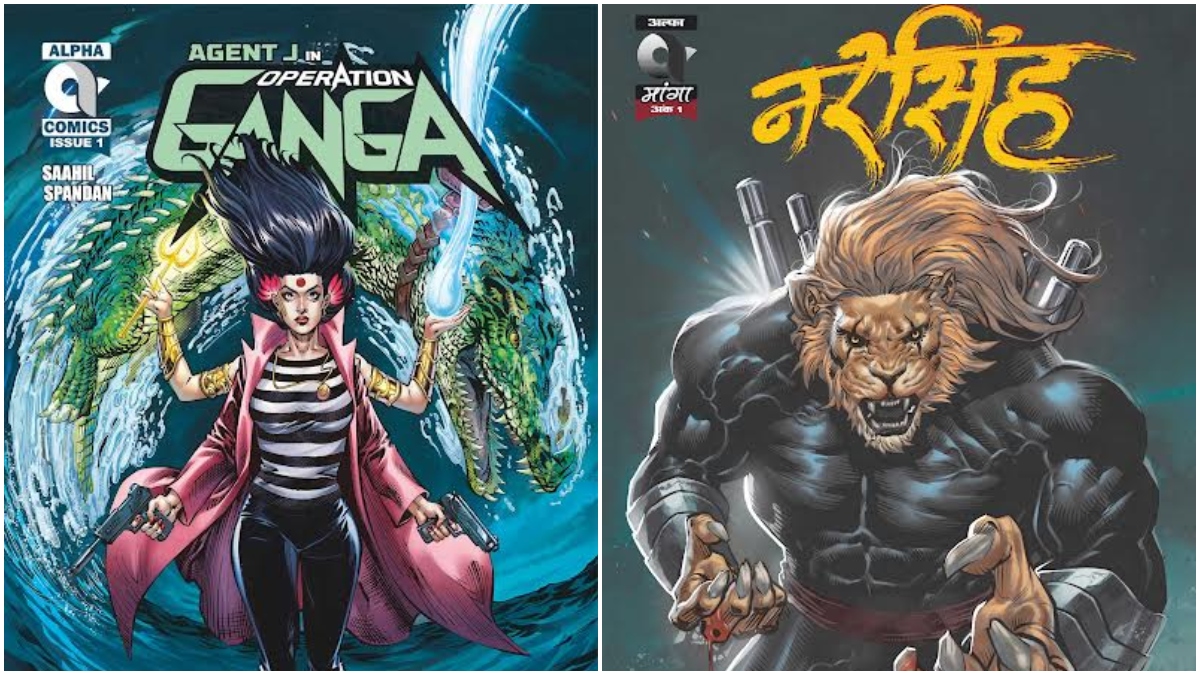
Gupta highlighted the rising demand for Indian‑rooted superhero IPs and mythological reinterpretations. He observed that transmedia interest had grown significantly, with animation studios, game developers and OTT platforms increasingly engaging with comic publishers to scout adaptable IPs. Events across Southeast Asia and the Middle East, he added, demonstrated a growing international appetite for Indian stories. He added that Alpha Comics is preparing for a transformative phase, with animation pilots, digital series and interactive narratives in development to extend its flagship universes.
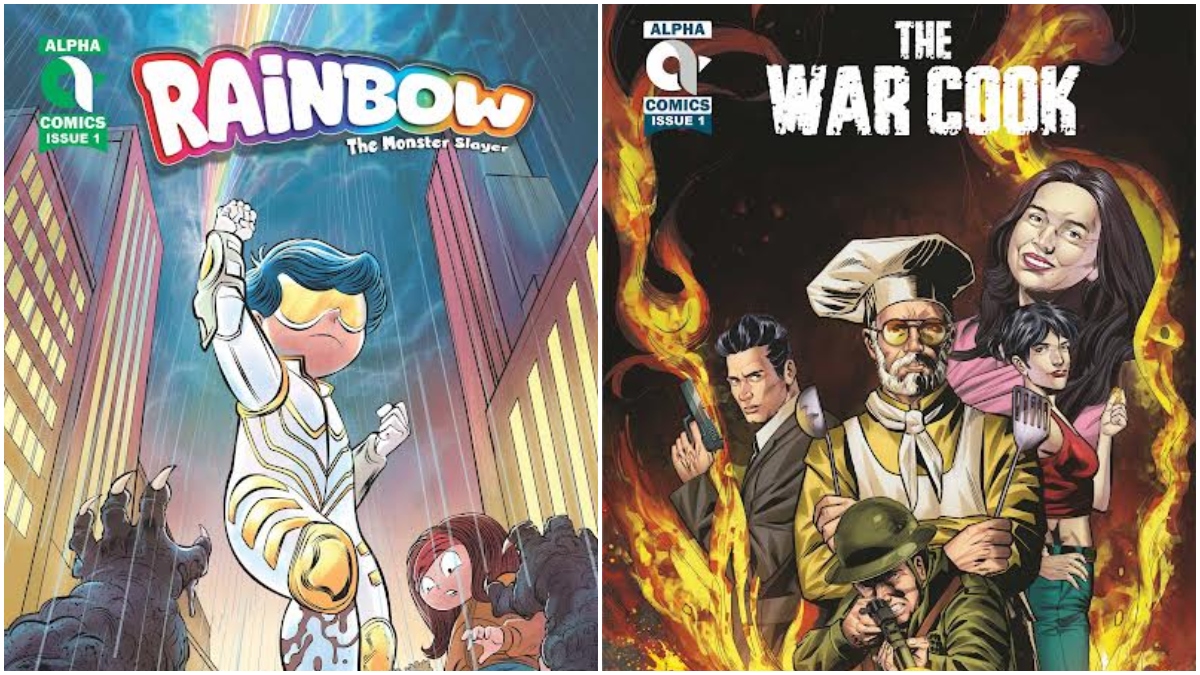
Small Town Boys Studio founder Alok Sharma, reflected on 2025 as “a strong year for the industry as a whole.” His studio advanced several projects and announced the formation of the Pan India Comics Association, bringing together leading publishers. “The idea was to build an organisation that goes beyond gimmicks and delivers something tangible and meaningful for the medium and its creators,” Sharma said.
Sharma pointed to early readership as a major growth area, with titles aimed at children under eight performing strongly. He also noted the rise of homegrown manga, which has begun to establish a foothold in the domestic market. On the technology front, he acknowledged that some publishers had started adopting AI to address production bottlenecks, though he cautioned that its long‑term impact on sales and audience perception remains uncertain. He projected a renaissance for Indian comics over the next five years. He argued that comics remain one of the few mediums fundamentally driven by original IP, and suggested that the wider AVGC‑XR ecosystem will increasingly turn to comics if it aims to build proprietary universes and strengthen India’s cultural soft power.
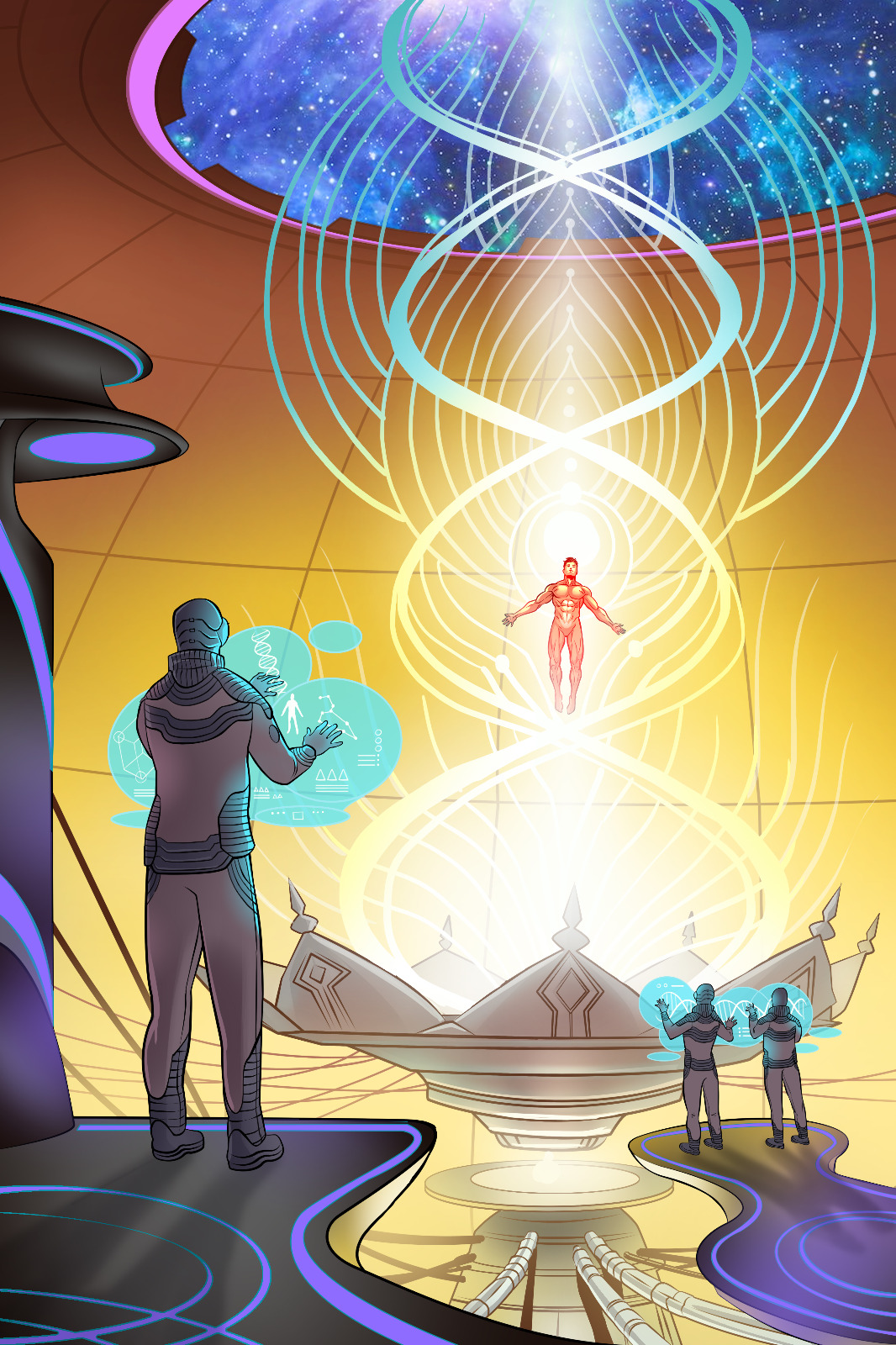
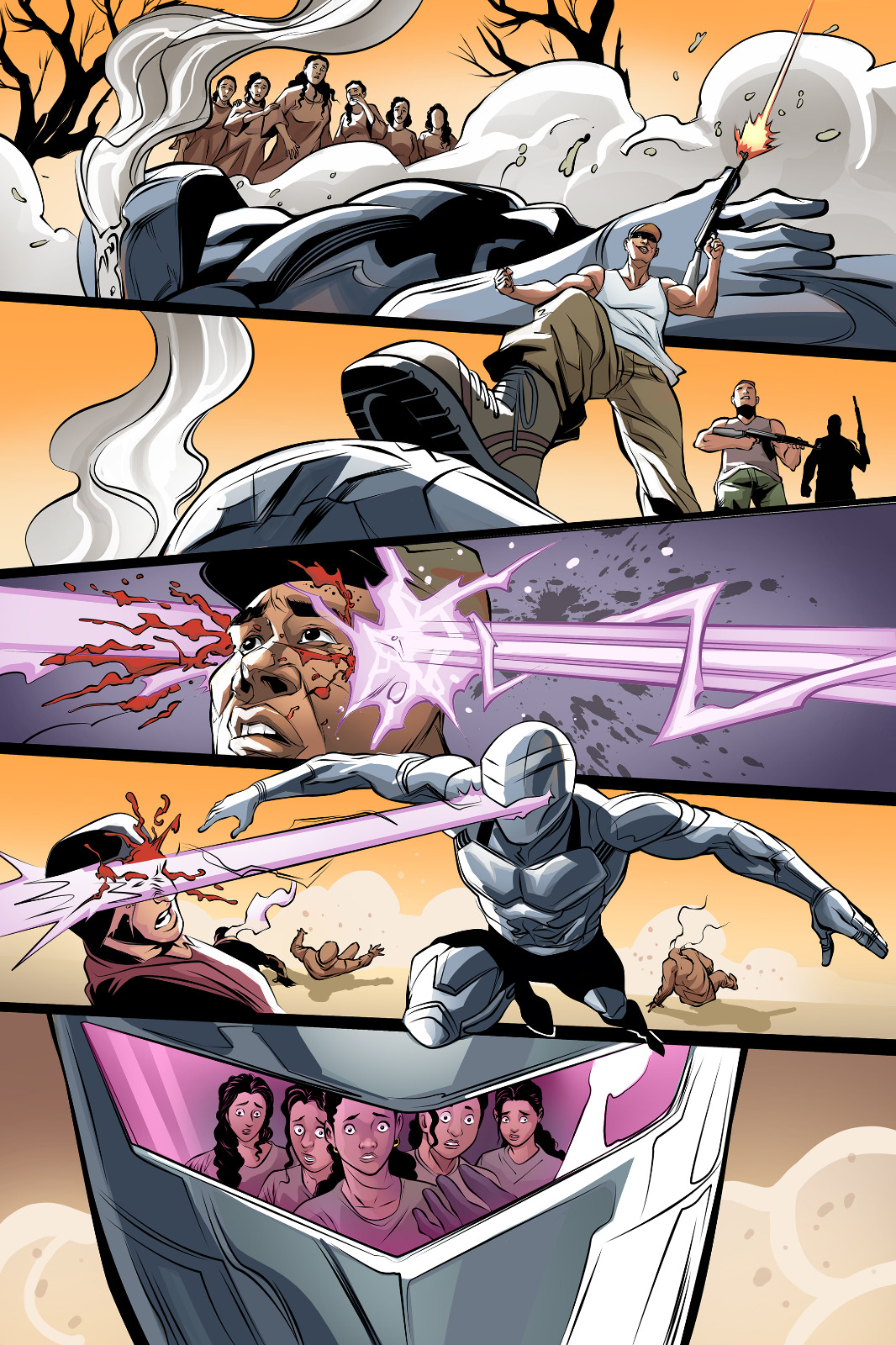
Talking about the year ahead, Sharma highlighted their ambitious project Moksh, a superhero universe that deliberately subverts the genre through layered, long-form storytelling. The project reframes a fundamental question of heroism: do we do good because it is the right thing to do, or because goodness is the price one pays for redemption?
“It’s The Boys meets the Bhagavad Gita. At its core, Moksh is about the salvation of superheroes. Every superhero is born with extraordinary abilities, but with great power comes unavoidable karmic responsibility. Fail to honour it, and you’re trapped in an endless cycle of rebirths,” he explained.
The year 2025 may not have been without challenges, but it was undeniably pivotal. Studios launched new titles, strengthened collaborations, and debated the role of AI in creative processes. As 2026 begins, Indian comics appear poised for expansion, with original IPs, global outreach and cultural storytelling at the centre of their ambitions.
Read more year end articles here:
