
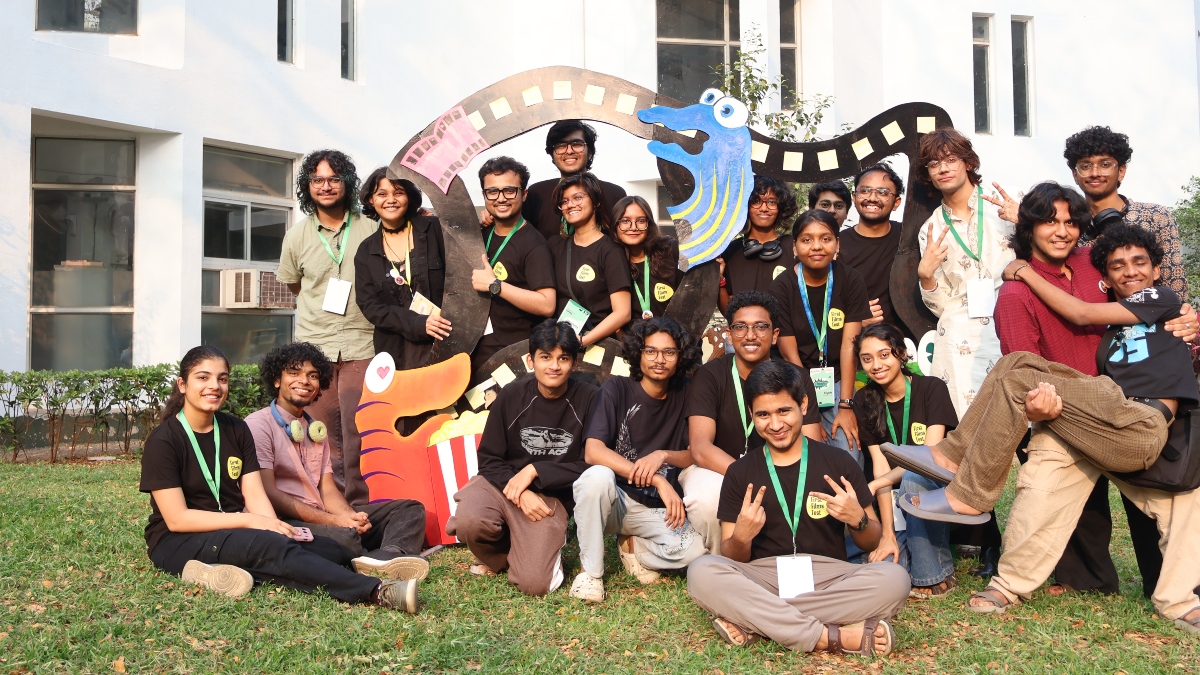
The closing day of the First Films Fest brought the three‑day programme to a thoughtful conclusion. The third day balanced screenings with reflective sessions that looked ahead to the future of filmmaking and animation, while also revisiting themes of heritage, technology, and creative practice. The final day offered participants a chance to consolidate insights and celebrate the contributions of debut filmmakers.
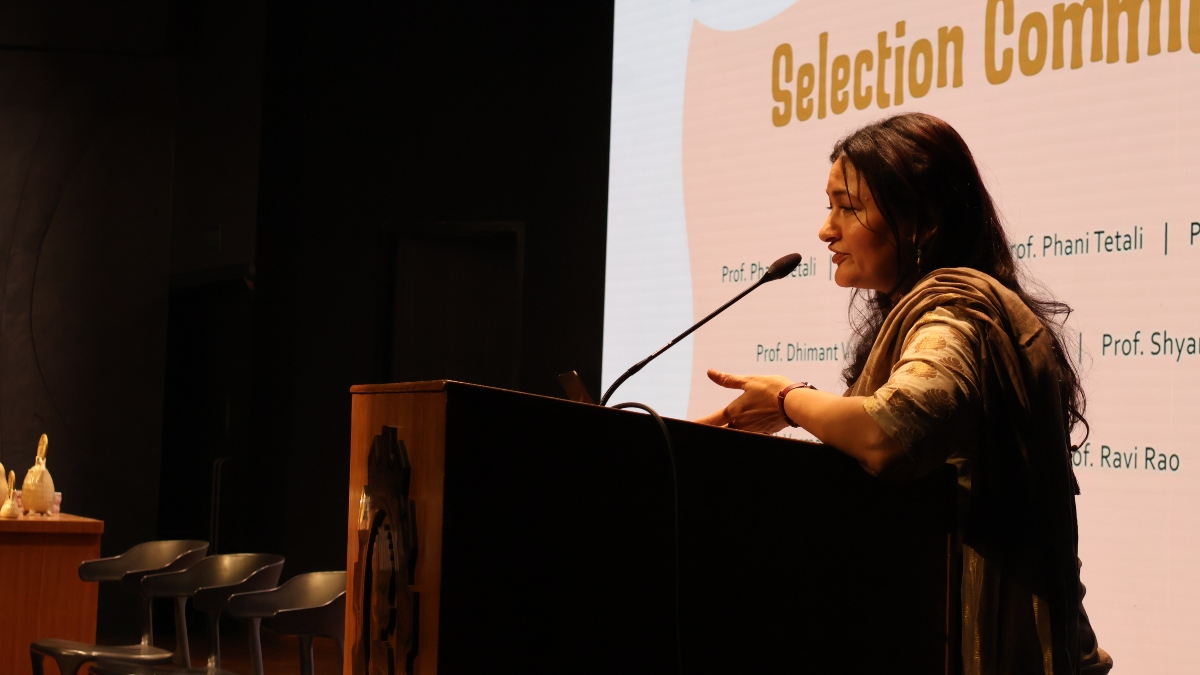
The day began with the competition Rite of Passage: Animated Short Films Competition Screenings Part 2 at the IDC Auditorium. The speaker for this session was IDC professor Shilpa Ranade. This segment built upon the momentum of Part 1, presenting fresh perspectives and inventive techniques that reflected the diversity of voices within the competition. Professor Ranade provided context on the screenings, emphasizing the competition’s role in fostering young talent and encouraging bold experimentation in animation.
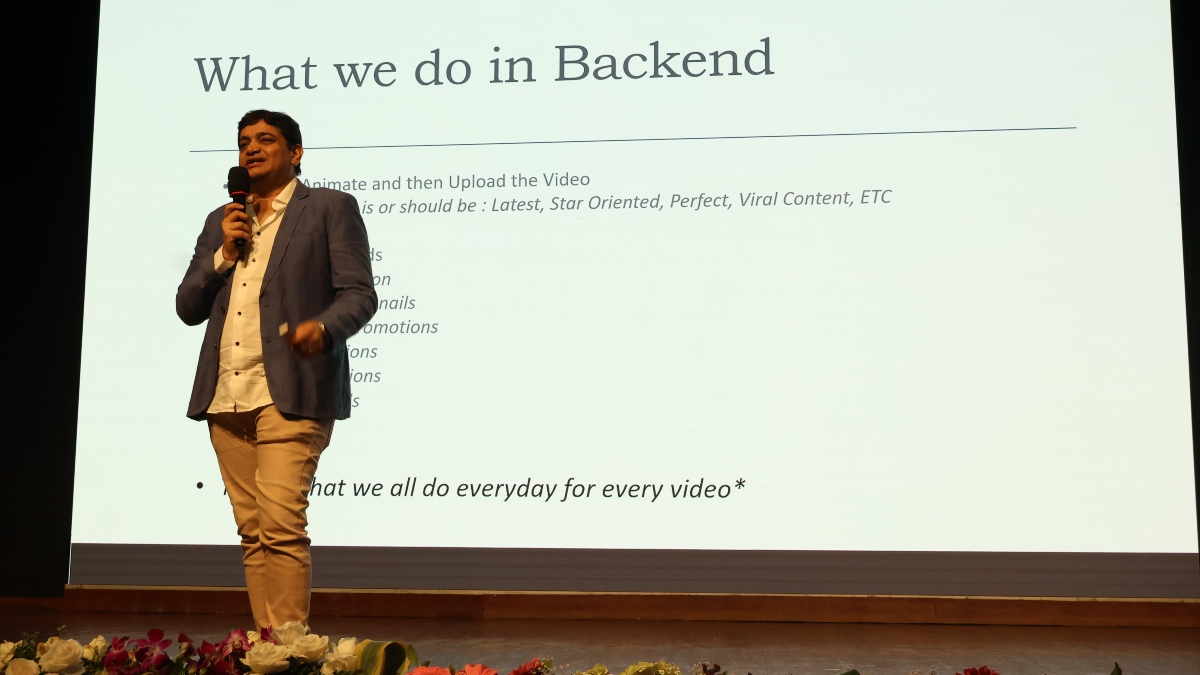
The first session at the LT-PCSA hall was Decoding Myths of YouTube and Content Moolah Unlocked. This session was conducted by Bliszs Entertainment director Vijay Bhanushali, who shared insights into the evolving landscape of digital content creation. Bhanushali addressed common misconceptions surrounding YouTube, offering practical perspectives on how creators can navigate the platform more effectively. He also explored strategies for monetisation, highlighting opportunities for content creators to unlock sustainable revenue streams.
The next session in the IDC Auditorium was a continuation of the first session titled Rite of Passage: Animated Short Films Competition Screenings Part 3. The speaker for this session IDC professor Shilpa Ranade introduced another set of animated short films created by emerging talent. The screenings further showcased the breadth of storytelling approaches and inventive techniques employed by the participants.
The first session in the Mini Theatre was Unleash the power of AI in Animation. The session was conducted by Autodesk India & SAARC senior solutions engineer M&E Samit Shetty. The session explored how artificial intelligence is transforming the animation industry, demonstrating its potential to streamline workflows and expand creative possibilities. Shetty emphasised the role of AI not just as a technical tool, but as a catalyst for innovation, enabling animators to push boundaries in storytelling and visual design.
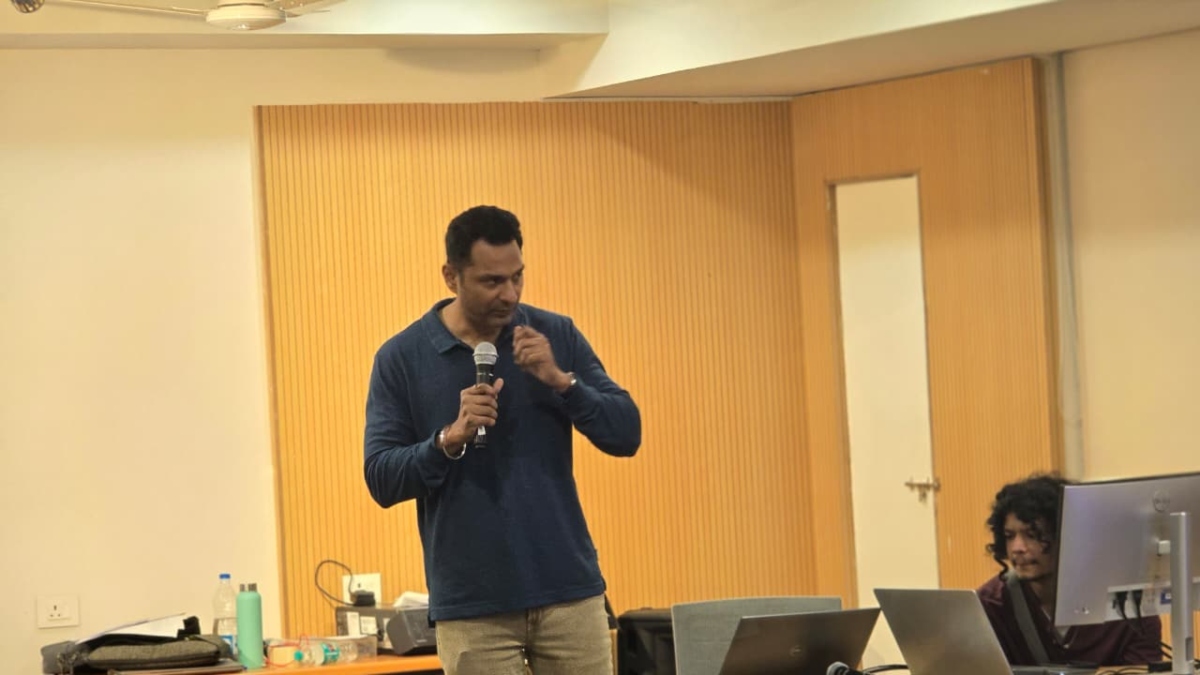
Up next at the LT-PCSA hall was the session India – Through the eyes of a Cartoonist. The speaker for this session, IDC speaker Phani Tetali, offered an unique perspective on the nation through the lens of cartoon art. Tetali explored how cartoons can serve as powerful tools of commentary, blending humour, satire, and visual storytelling to reflect social and cultural realities. The session highlighted the role of cartoonists in shaping public discourse, capturing everyday nuances, and presenting complex ideas in accessible ways.
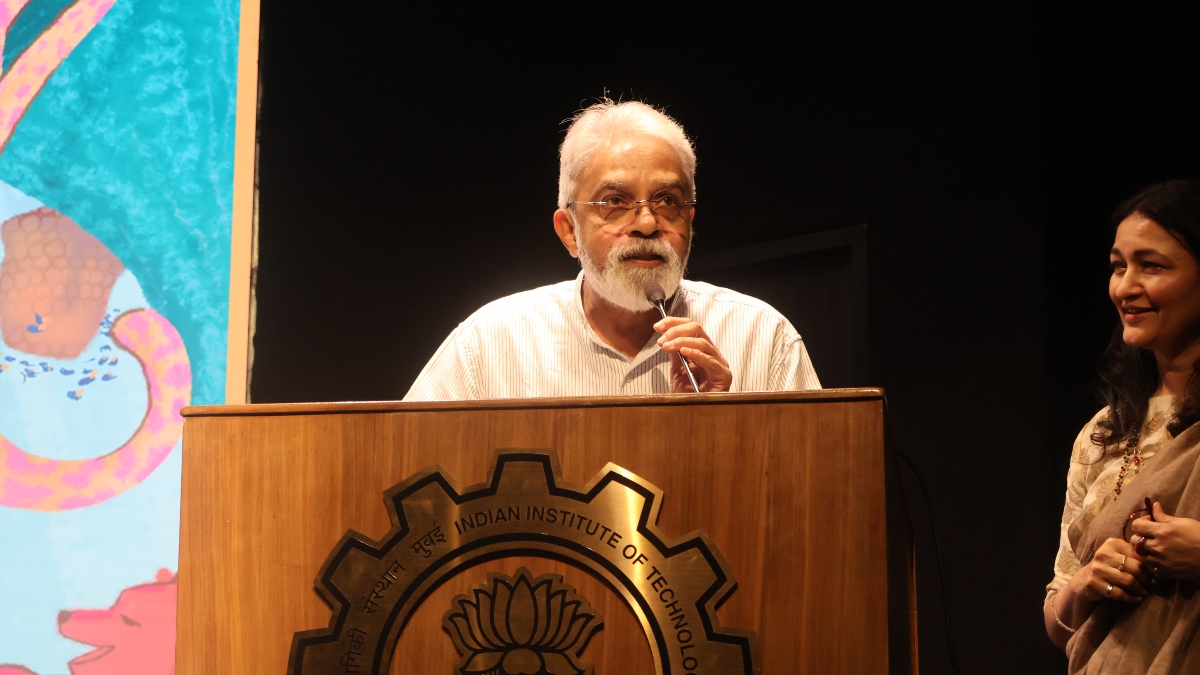
Post lunch the IDC Auditorium was packed with students for film screenings for the next two and half hours.
The next session in the Mini Theatre was Alternate Mythology: Exploiting 4000 years of Myths and Legends. The speaker for this session was author and screenwriter Shatrujeet Nath. The session examined how ancient narratives can be reinterpreted and reimagined to create fresh, compelling stories that resonate with modern audiences. Nath emphasised the richness of India’s mythological heritage and its potential to fuel creativity across literature, cinema, and other narrative forms.
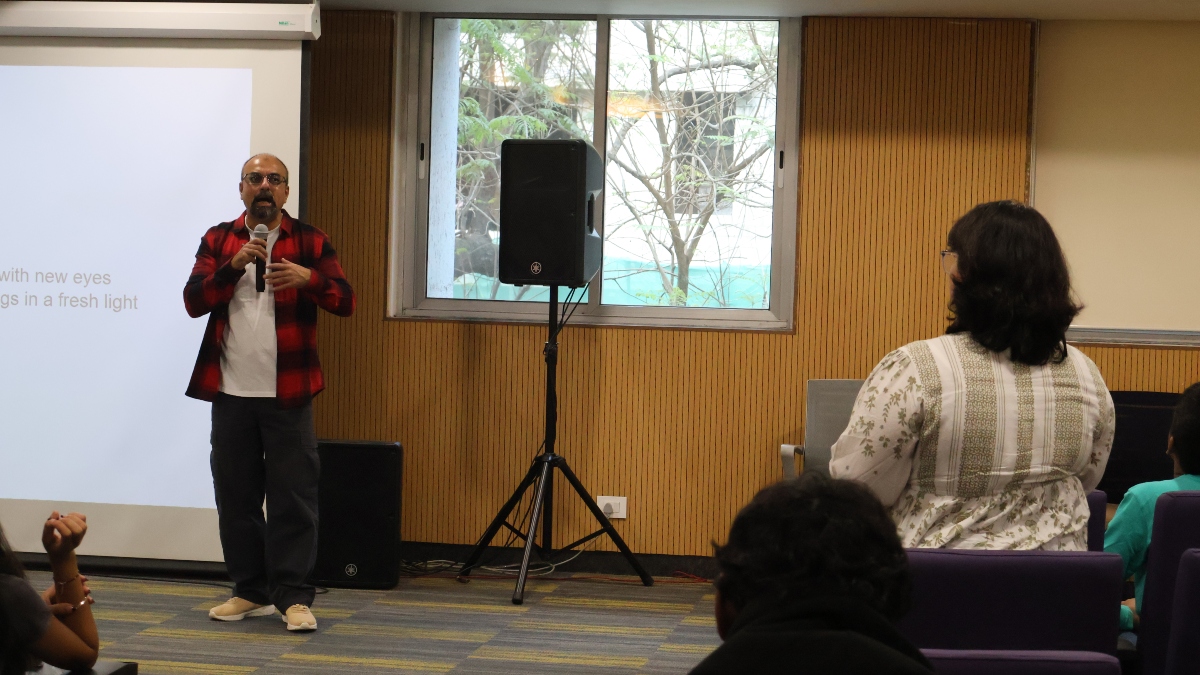
The following session in the LT-PCSA hall was When Tools Think: The Future of Human Creativity. This session’s speaker was IIT Bombay professor and filmmaker Sudesh Balan. The session explored how emerging tools, particularly those powered by artificial intelligence, are reshaping creative practices and challenging traditional notions of authorship. Balan emphasised the importance of maintaining human vision and intent at the centre of artistic work, while recognising the potential of technology to expand creative horizons.
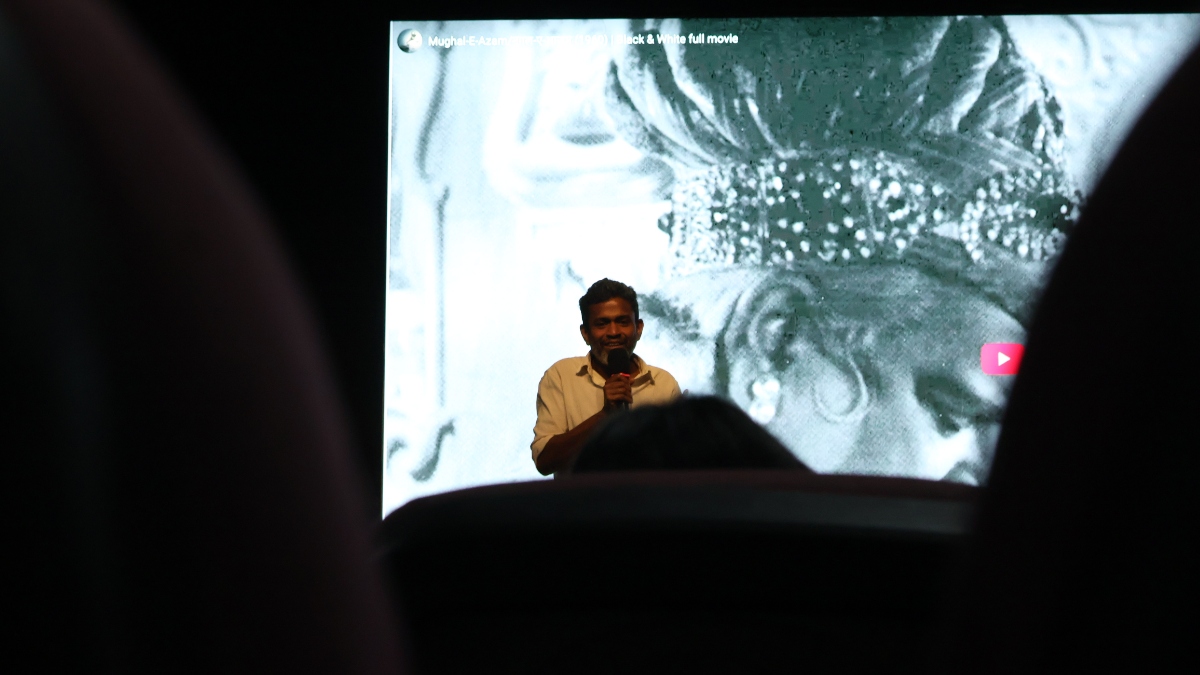
The next session in the Mini Theatre was Romance with Paper and Pencil. The speaker for this session was Ice Candy director and artist Sanjiv Waeerkar. The session celebrated the timeless charm of traditional drawing, exploring how paper and pencil remain powerful tools of expression in an increasingly digital age. Waeerkar emphasised the intimacy and immediacy of hand‑drawn art, highlighting its ability to capture emotion, spontaneity, and imagination in ways that technology often cannot replicate.
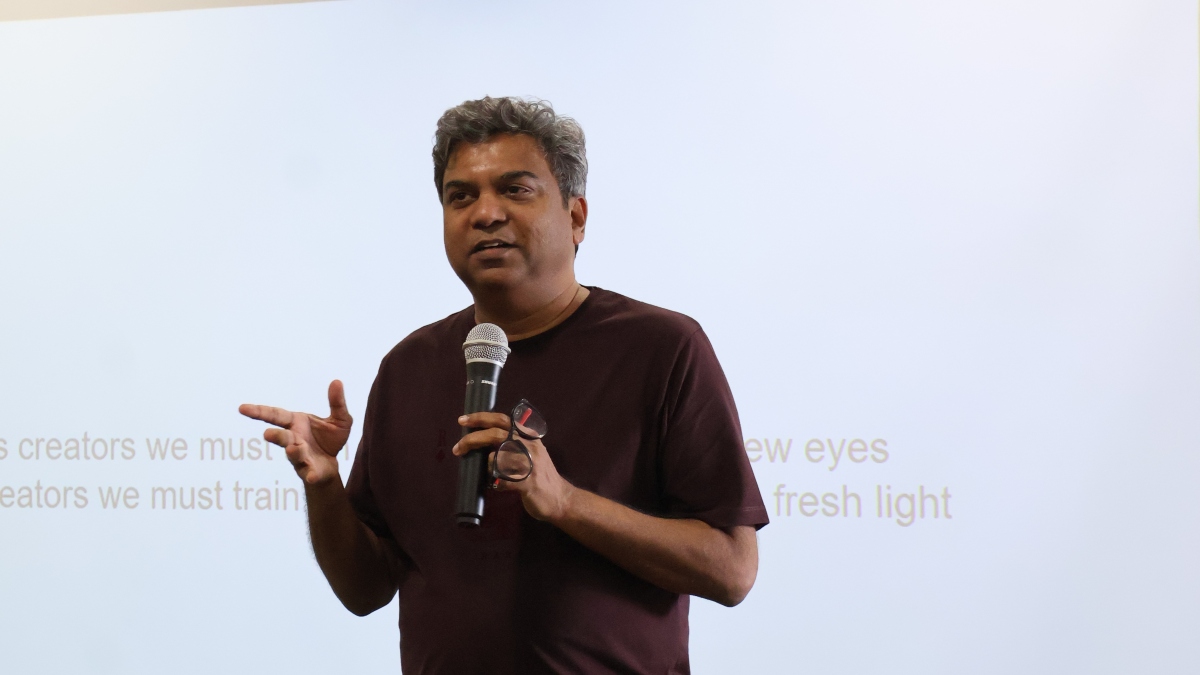
Moving ahead through the day the next session in the LT-PCSA hall was Into the Manhole: Crafting an Immersive Narrative. This session was conducted by IDC professor Abhishek Verma and professor Jayesh Pillai. The session examined techniques for drawing audiences into narrative worlds, highlighting how visual design, atmosphere, and character development can work together to create powerful emotional impact. Verma and Pillai emphasised the importance of experimentation and innovation in crafting stories that resonate beyond the screen.
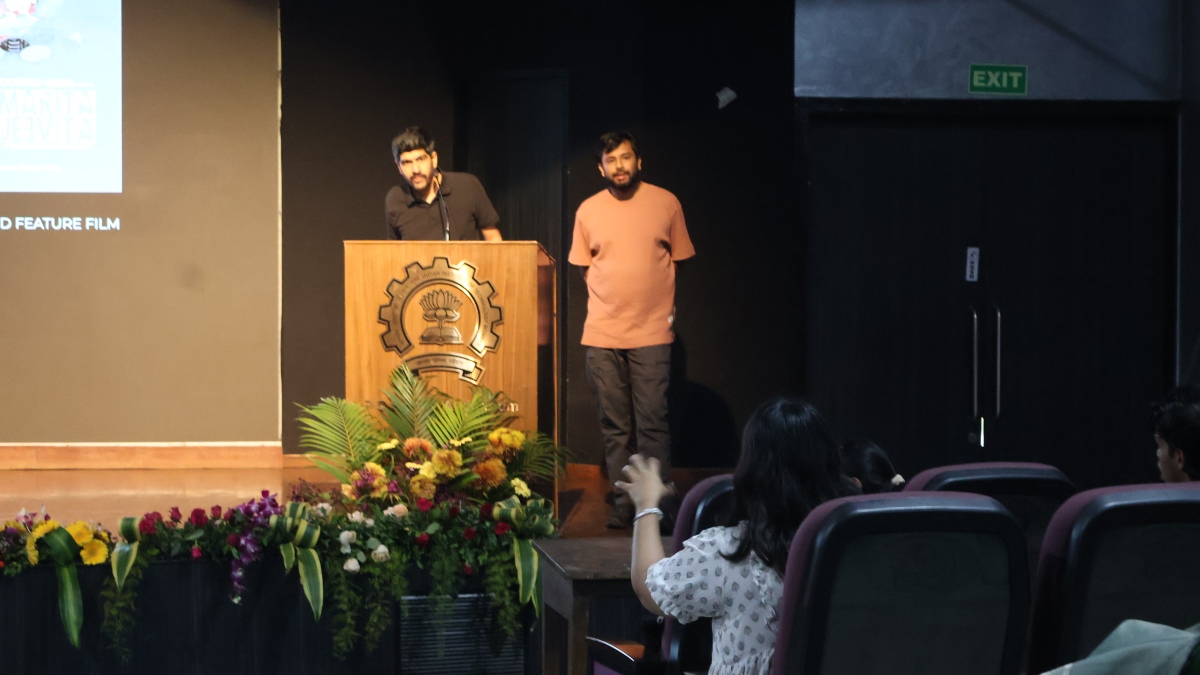
The last session in the IDC Theatre was a screening from London’s Royal College of Arts. The showcase presented a selection of works that reflected the institution’s reputation for innovation and excellence in visual storytelling. The films highlighted diverse approaches to animation and design, offering audiences a glimpse into the creative practices of emerging international talent.
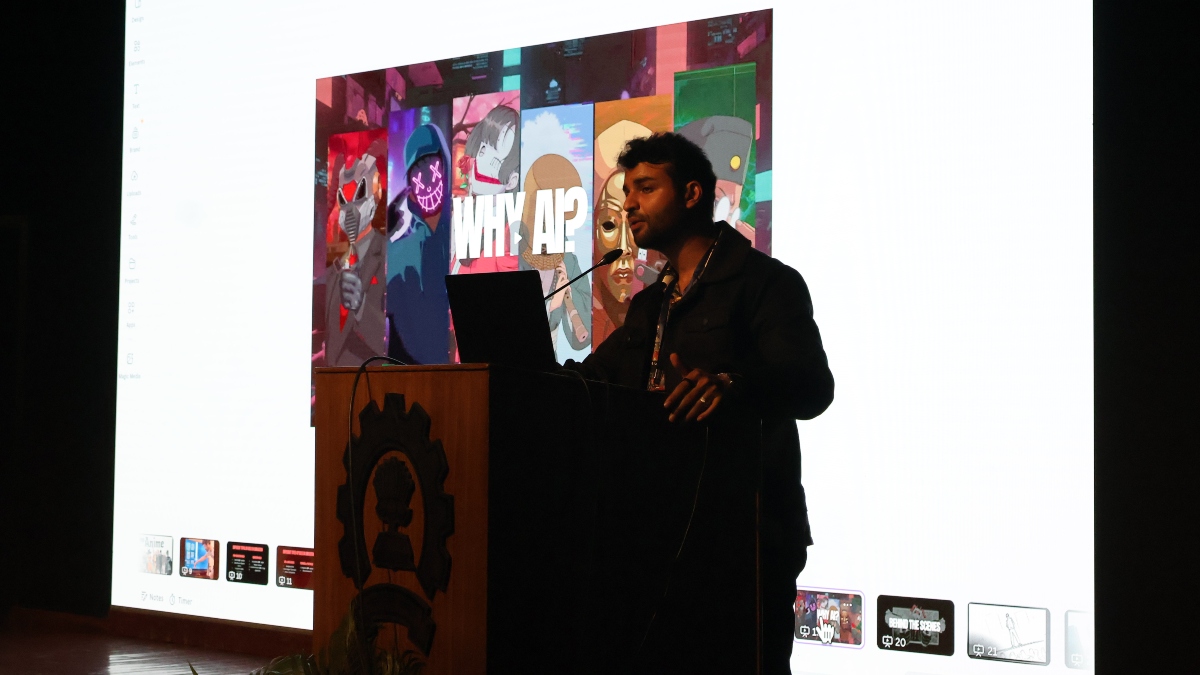
Next at the Mini Theatre was Beyond the Tools: Directing Stories with AI. The speaker for this session was commercial film director Kay Sukumar. The talk explored how AI can serve not merely as a technical aid but as a creative partner in shaping narratives. Sukumar emphasised the importance of directing with vision and intent, showing how technology can be harnessed to enhance storytelling rather than overshadow it.
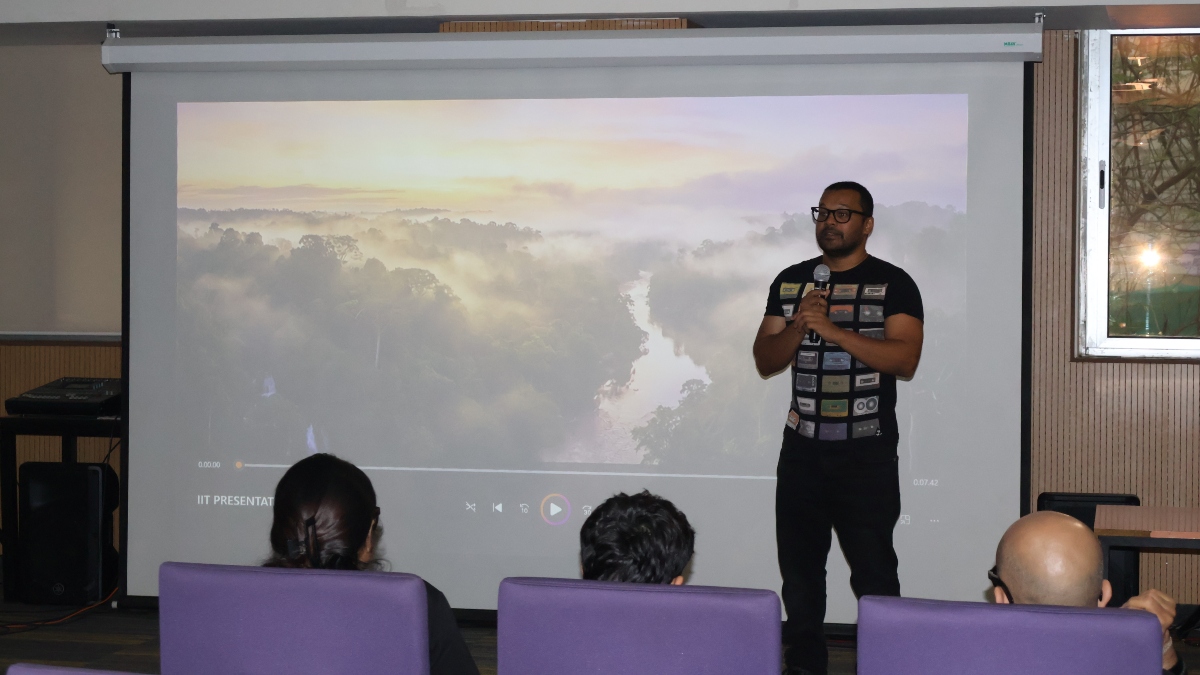
And the last session of FFF was Making an Anime Film in the Age of AI: Lessons from Japan. The speaker for this session was filmmaker and director Kushagra Kushwaha. The session explored how artificial intelligence is influencing the craft of anime filmmaking, from streamlining production processes to expanding creative possibilities. Kushwaha emphasised the importance of blending traditional artistry with technological innovation, highlighting lessons drawn from Japan’s pioneering approach to anime.
After this, the evening transitioned into the awards ceremony. The student animated films that had been screened and judged during the competition were celebrated and applauded.
This final day brought the three‑day First Films Fest to a close, weaving together screenings, discussions, and reflections that captured the spirit of the event. With sessions spanning animation, AI, mythology, and immersive storytelling, alongside international showcases and the awards ceremony, the festival ended on a thoughtful and celebratory note. By spotlighting debut filmmakers and exploring the intersections of tradition and technology, the programme offered both recognition and inspiration, leaving participants with a sense of promise for the future of cinema and animation.
To know about the other days, read:
First Film’s Fest Day 1: First Films Fest Day 1: From debut films to industry insights at IIT Bombay
First Film’s Fest Day 2: Second day of First Films Fest celebrates evolving anime culture, VFX mastery and more
