
A character may steal the show on screen, but behind every expressive face, gravity-defying leap and perfectly timed movement lies a web of technical wizardry. For DreamWorks Animation character rigger Seema Richin Desai, that is where the real magic happens, in the invisible engineering that gives animated characters the freedom to perform.
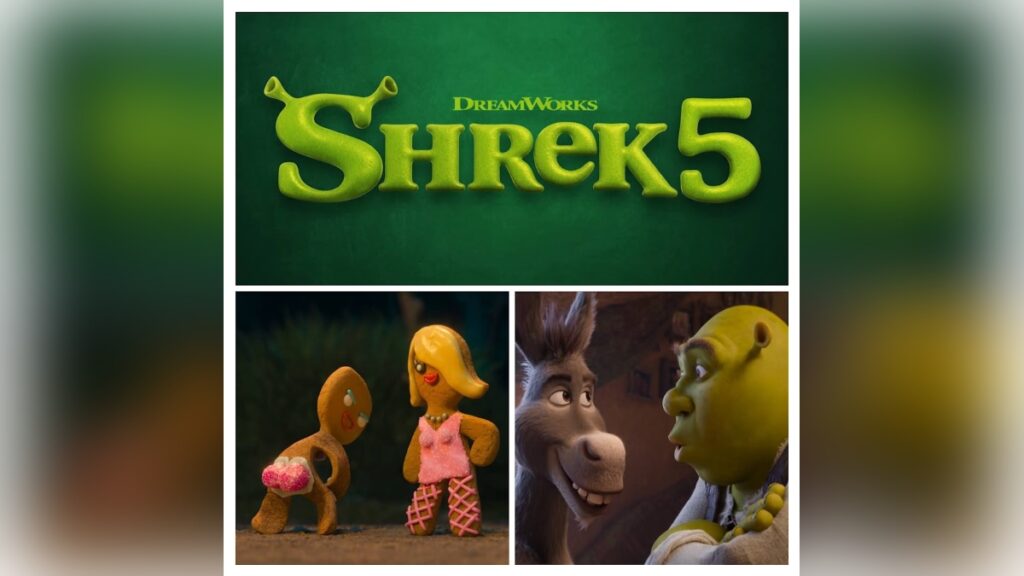
From Prana Studios Mumbai to studios across Singapore, Canada and Los Angeles, Desai has built a career at the intersection of art, mathematics and technology. Her credits span franchises and productions including Star Wars: The Clone Wars, The Shape of Water, Venom: Let There Be Carnage, Trolls Band Together and Kung Fu Panda 4, with Shrek 5 also among her projects. Across photorealistic creatures and stylised animated heroes, her work centres on one question: how can technology help artists bring a character to life without getting in the way?

In a conversation with AnimationXpress, Desai discussed her international career, the technical craft behind character rigging, her work on large-scale animated productions and the next frontier of animation technology.
Building the bones behind the magic
Desai’s journey began in India after she completed a course in character animation at Vancouver Film School in Canada. Her early experience also gave her a grounding in 3D pipelines and character mechanics before she ventured into the wider global animation and VFX industry.
Her career subsequently took her to Lucasfilm and Ubisoft in Singapore, followed by VFX studios MR.X/MPC and Image Engine in Canada, and eventually to Los Angeles. Each studio brought a different approach to production pipelines, but the underlying challenge remained the same: building character setups that could withstand demanding animation while preserving the artist’s intent.
“I’ve always been fascinated by how art and mathematics come together to create believable motion,” Desai says.
Character rigging is the engineering beneath the performance, the digital skeleton, controls and deformation systems that allow animators to move a model convincingly.
“One of my biggest learning experiences over my 20-year career has been understanding that exceptional rigging isn’t just about complex maths or dense node graphs; it’s about user experience for the animator.”
The goal is to build rigs that are intuitive, responsive and capable of preserving volume and organic form, even when characters are pushed into extreme poses. Her progression from off-the-shelf industry software to developing custom deformers for proprietary studio engines also sharpened her approach to technical problem-solving.
Giving DreamWorks characters room to move
At DreamWorks Animation, Desai works on character setups for feature productions where artistic ambition and technical demands go hand in hand. Her responsibilities include designing complex character rigs, developing custom deformation algorithms and building reusable pipeline modules.
A rig must be technically robust, but it must also give animators the freedom to concentrate on performance rather than wrestle with the tools, she believes.
A key part of Desai’s work involves Premo, DreamWorks’ proprietary character animation platform. Its real-time capabilities allow animators to pose and manipulate characters interactively, while modular rigging components help support complex production requirements.
Her contributions earned her the 2023 DreamWorks Ingenuity Award, recognition she describes as a rewarding milestone in her career.
From amphibian anatomy to martial-arts action
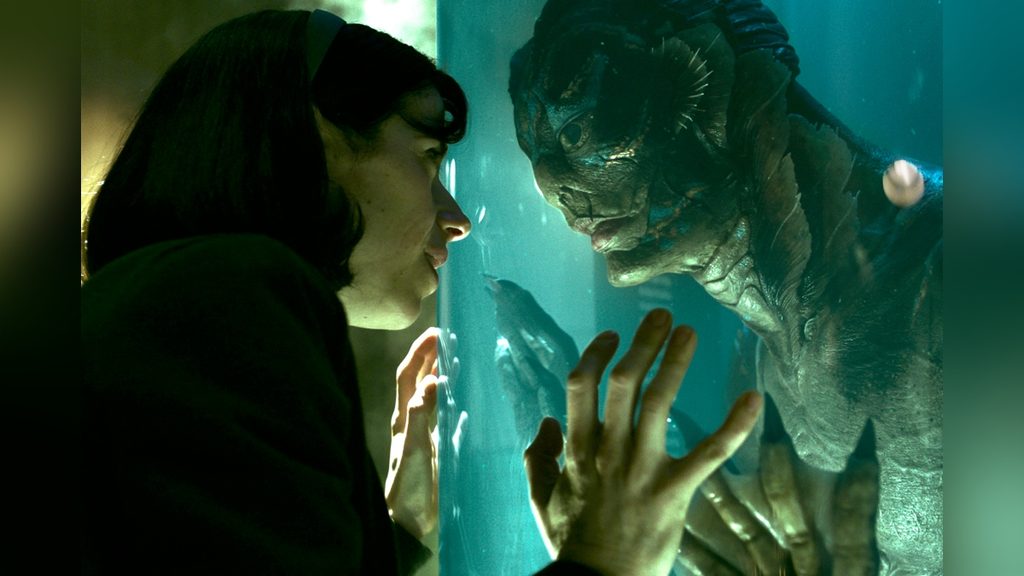
Among her most memorable projects is a film by Guillermo del Toro, The Shape of Water, where she supervised character setup and rigging architecture for the amphibian creature.
The challenge was to create a digital character that could blend convincingly with live-action suit performances. The work demanded a delicate balance: the creature needed to feel physically believable while conveying the expressions essential to the story. Its place in an Academy Award-winning film made the experience especially rewarding.
At the other end of the spectrum was Kung Fu Panda 4. Here, the challenge shifted from photorealistic nuance to exaggerated action. The rigs had to accommodate dramatic squash-and-stretch during martial-arts sequences while preserving the characters’ volume and shape.
Desai’s work across the two productions illustrates the range of character rigging. Whether creating a believable digital creature or enabling a stylised hero to bend the rules of physics, the underlying engineering must serve the performance.

The next frontier of rigging
Desai also contributes to the wider VFX community, including as an invited judge at the 24th annual VES Awards nomination event. Beyond current productions, she is keen to explore real-time deformation technology, machine-learning-assisted rigging tools and next-generation pipeline workflows.
Her advice to aspiring riggers and technical directors is to look beyond software tutorials and understand the principles underneath the tools.
“Tools and software will continuously evolve, but foundational knowledge in anatomy, linear algebra and software architecture will always set you apart,” she said.
As animation pipelines become more sophisticated, the challenge will be to make the technology more powerful without making the artist’s job harder. For Desai, that means continuing to build systems that remove technical barriers and give animators greater creative control.
After all, the best rig is not the one that shows off its engineering. It is the one that lets the character steal the scene.
