
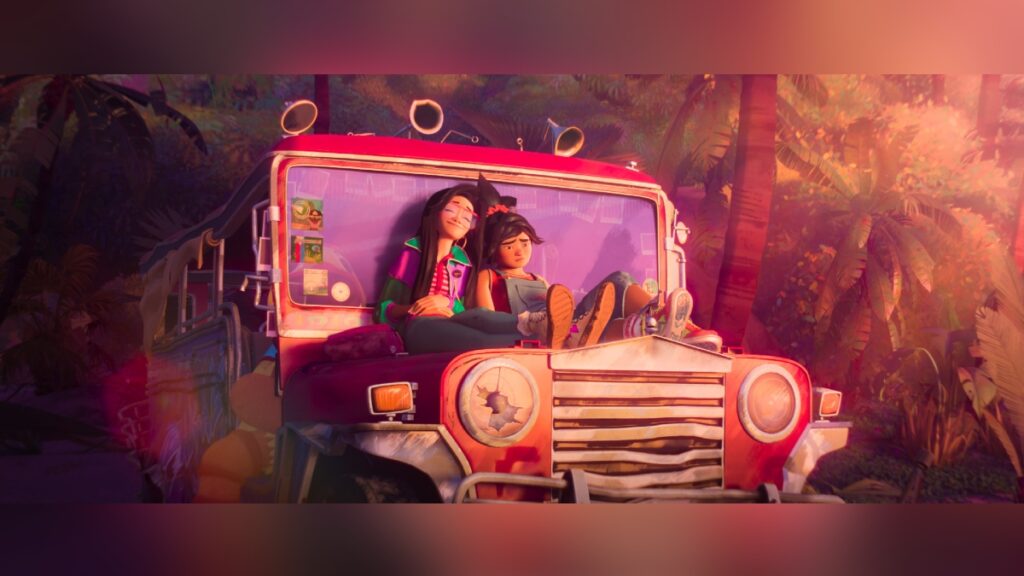
Friendship rarely arrives with a neat roadmap. It is more of a rollercoaster than a straight line, full of bumps, surprises and the occasional leap of faith. But perhaps that is the point. The right people stay through the rough patches, make us stronger and remind us why the ride is worth taking.
That spirit sits at the heart of DreamWorks Animation’s Forgotten Island, where friendship, family and Filipino folklore meet a richly stylised visual world. For DreamWorks Animation lead technical director Sakshi Verma, the film was also a technical playground, with everything from animated stickers and neon effects to a fantastical beach demanding new tools behind the scenes.
In an interview with AnimationXpress, Verma pulled back the curtain on the film’s making, from building the pipeline and supporting its stylised look to working across studios, managing a tight production schedule, and finding a little bit of herself in its characters.
What were your key responsibilities as lead technical director on Forgotten Island?
As a technical director, our job is to build the pipeline and software that artists use for animation, look development and lighting. As lead technical director, I translated the creative vision of the head of look and visual effects supervisor into technology that could work across the film.
The film had a very stylised visual language. The Nakaali beach had rainbow-like effects across the sand, characters had anime-style stickers, and Jo’s face could transform into another character. Supporting all these effects required tools, shaders and rendering solutions across animation, look development, character effects, surfacing and lighting.
You had worked with Joel Crawford and Januel Mercado before. How did Forgotten Island push you technically?
“I had previously worked with the directors, but Forgotten Island pushed that even further,” Verma said.
Once we received the artwork, we worked with the head of look to understand how we could bring those ideas to the screen. We developed new technology for elements such as the animated stickers, allowing artists to draw directly onto characters.
The Nakaali beach also needed a painted, fantasy-like 3D look, so we developed tools for that. We also created new shaders to achieve the neon look seen in the film.
How did the film’s friendship theme resonate with you?
As a girl, I could relate to the friendship side, especially that phase when you go to college and realise that not everyone will remain in the same place.
The family element also stayed with me. Jo’s relationship with her grandmother reminded me of my own grandmother telling me stories. We have so many stories and characters in Indian mythology, so that felt very familiar.
I also think the friendship between Crawford and Mercado is reflected in the film. The music, dialogue and storytelling brought that emotion through beautifully. It made you happy and sad, and that is what made it heartwarming.
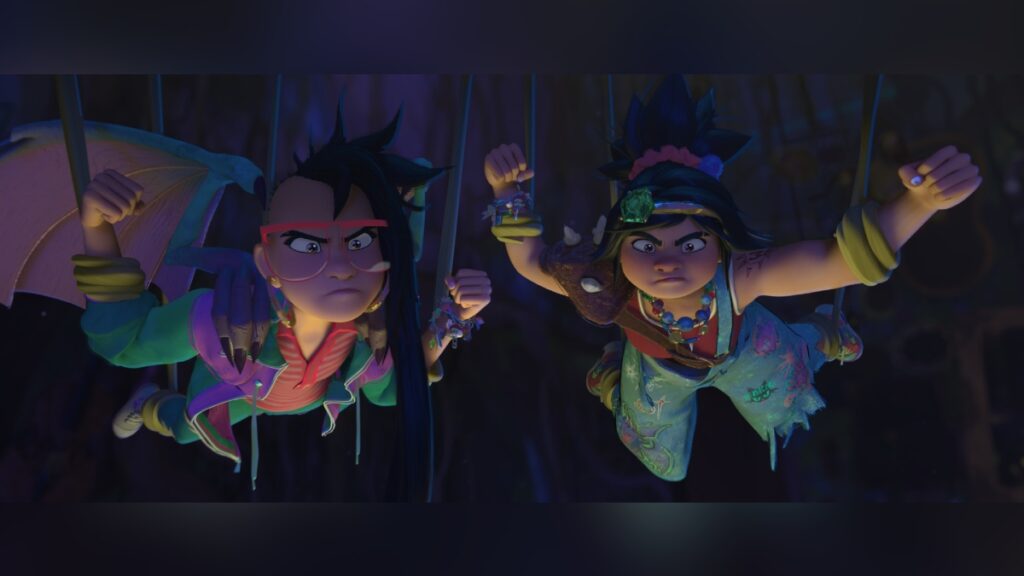
Which character is your favourite in the film?
I relate more to Raissa. I grew up with Asian parents who would say, “Focus on your studies, get a good job and settle well.” So I understand her perspective.
But I really enjoyed Jo. She is carefree and happy, despite dealing with hardships. She becomes strong because of what she goes through and ultimately learns to live life on her own terms.
After watching the film, I felt that it is important to live a little more carefree with the people you love. You do not always have to stick to a plan or follow one specific path.
After working on such a technically ambitious film, what stayed with you the most?
For me, it was seeing how all these technical pieces came together to support the emotion of the story. Technology is important, but ultimately it has to help the audience feel something. I hope audiences get to experience that, because Forgotten Island has a lot of heart.
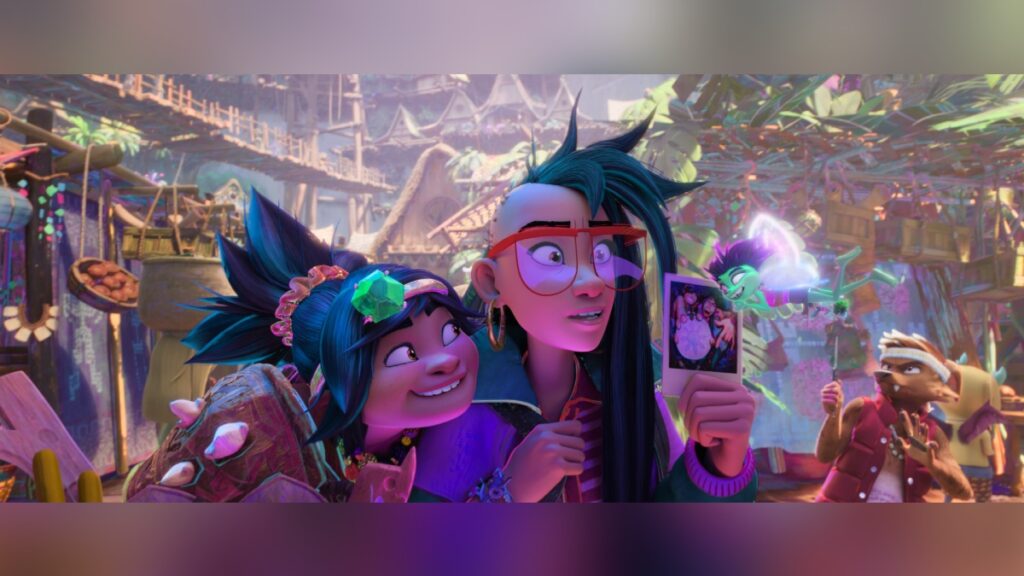
Maybe Jo and Raissa’s story came to an end, but it left behind a stronger belief in the magic of friendship, that two people can be complete opposites and still find their way to the same destination.
