When we admire a flying dragon in a fantasy series, photorealistic superheroes, or the fluid movements of a character in a massive video game, our attention is drawn to the creator of this wonderful performance. Usually, the glory goes to artists, directors, and 3D modelers, praised for their artistry and competence. However, behind stunning visual frames lies an invisible yet monumental technological novelty that is demonstrating its potential right now before our eyes.
Setting aside complex engineering terminology and observing the current trends in the entertainment sector, it becomes clear that physical reality is no longer only human effort, but rather animation, visual effects (VFX), and game development. By opening a robust app on your smartphone, like Mostbet PK, you can indulge in a highly intuitive interface and bring a thrilling experience to your screen.
Three tech trends to rewrite the rules of industry
- Procedural generation and the Houdini environment
Previously, to create a detailed setting for instance, the epic destruction of a metropolis, a medieval battle, or a dense tropical forest swaying in the wind armies of 3D artists had to model, texture, and animate thousands of objects by hand. This was a colossal undertaking, resulting in grueling work and skyrocketing budgets.
Today, instead of tracing each brick on a crumbling building, a specialist sets up an algorithm a mathematical rule by which these objects are generated. By changing just a couple of parameters, an artist can recreate a biologically authentic forest covering hundreds of hectares, all within seconds, with Houdini software.
Case study: Imagine a modern historical blockbuster or a large-scale fantasy project like the famous Kantara or the new Raja Shivaji epics, where the creators need to depict an ancient city or natural disasters. Using a procedural approach, a tiny VFX studio can create a realistic simulation of a raging ocean, a sandstorm, or a lava flow with just a few experts on duty. The computer takes over the routine calculations, allowing users to focus solely on direction, creativity, and the ultimate composition of the shot.
2. Modular volumetric capture without studio limits
Motion capture technology, where actors wear a special suit with glowing markers, is familiar to everyone from the Avatar films or the character Gollum from The Lord of the Rings. However, cutting-edge industry demands have forced engineers to go much further towards so-called volumetric video capture.
This method actually means that dozens of high-tech cameras are simultaneously recording an actor from every angle. The system instantaneously stitches these images together, metamorphosing a person’s live performance into a fully-fledged, photorealistic 3D digital model.
Case study: A major science fiction series is filming in a secluded mountain location or desert. During production, the necessity arises to create an exact digital double of the main character to perform a dangerous stunt, all without hours of preparation. Instead of transporting the celebrity actor to a specially equipped studio, to the other end of the earth, their image is scanned in motion. Later, their perfect digital replica, complete with detailed facial expressions and folds in clothing, is sent via the cloud to the post-production department.
3. AI-Powered Content Going Viral
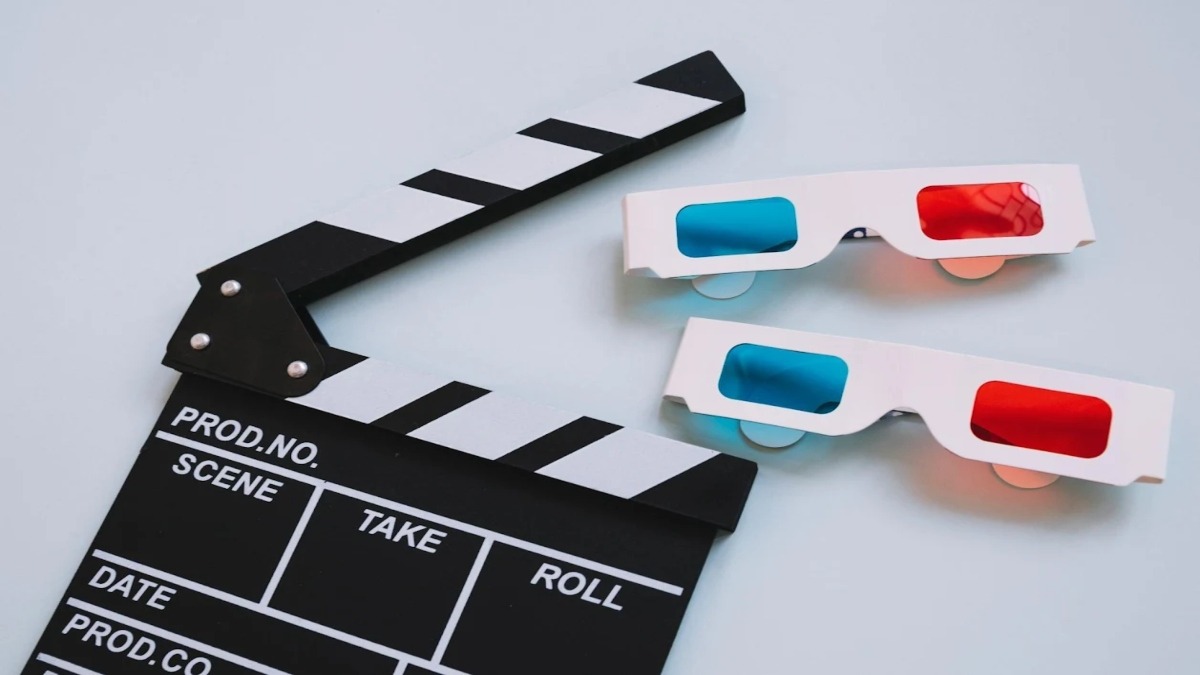
Artificial intelligence remains one of the hottest topics, representing several controversial opinions. While the average person talks about generating images from text descriptions, which raises numerous ethical debates, professionals are taking an in-depth look.
The animation and film industry has numerous barriers for international localisation. A purposeful translation of a cartoon into dozens of languages is a colossal challenge, and simply hiring voice actors and adding sound effects is no longer sufficient. To create an awe-inspiring experience on the screen, one should literally re-create the characters’ articulations, adapt local jokes and cultural context, and fully preserve the emotional intensity of the original.
Case study: A creative team produces an animated film based on unique folklore. Initially, the project is created in Hindi or Japanese and targeted at the domestic market. Running through a neural network transcreation engine, the animation is automatically reworked for international release. The AI doesn’t translate the text word by word; it delicately adjusts the character’s 3D facial model so that their lips move in perfect harmony with the phonetics of English, Spanish, or Chinese, giving viewers a wealth of authentic experience.
Bottom line: Creativity on the rise
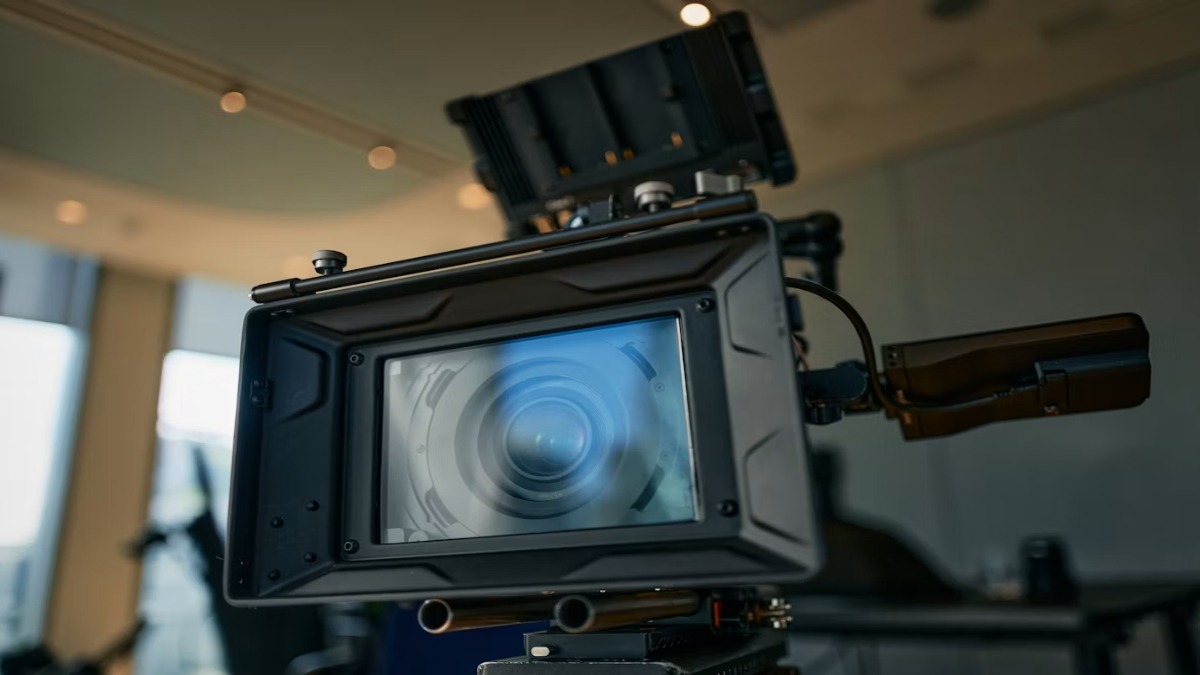
Today, we’re witnessing a phenomenon: Comprehensive strategies for the development of the AVGC-XR (animation, visual effects, game development, and augmented reality) sector are being adopted at the state level in many countries. Special economic zones, along with educational programs, are being developed to provide gifted individuals with access to cutting-edge software. Platforms are becoming smarter, computing power is moving to the cloud, and professional filming equipment is becoming smaller. It proves that technology is no longer a silent weapon, but a full-fledged participant in entertainment production.