
Netflix is investing in India’s next generation of creative talent, betting that the country’s future global exports will be driven not only by stories, but also by the people who create them.
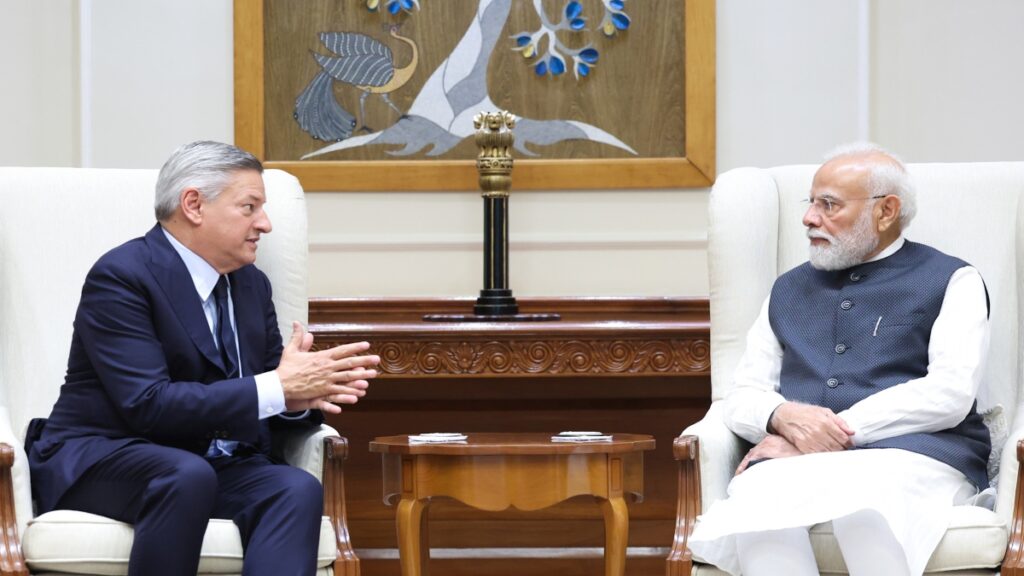
On 5 August, the streaming platform announced the Netflix India storytelling initiative, a multi-phase programme aimed at strengthening India’s creative talent and building a skilled workforce for the country’s growing entertainment industry. The announcement followed Netflix co-chief executive Ted Sarandos’ meeting with Indian prime minister Narendra Modi to discuss the growing global reach of Indian stories and the company’s plans for its next decade in India.
Netflix says it has spent more than 10 years building ties with India’s creative community, producing more than 200 originals and filming across more than 100 locations. The new initiative aims to further strengthen the country’s creative talent pipeline.
The first phase will focus on youth skilling through partnerships with the Indian Institute of Creative Technologies (IICT) and the National Film Development Corporation (NFDC).
Through its partnership with IICT, Netflix will support the development of industry-ready courses in visual effects and media technology workflows. It will also provide 100 scholarships for in-person programmes covering interactive comics and sequential art, virtual art-department content creation, character animation, esports and gaming management, among other emerging fields.
In other words, the next generation will get to work on everything from pixels to plots.
The partnership with NFDC will focus on accessibility. Netflix and the film body will work towards developing a talent pipeline for audio-description writers and voice-over artists, helping make films and series more accessible to audiences with visual and hearing impairments.
The audio-description training will follow international standards while incorporating local storytelling tradition.
Hailing the initiative, Graphiti Multimedia co-founder, director, and chief operating officer Munjal Shroff shared in a social media, “When FICCI, IICT and Netflix signed an MoU last year to strengthen India’s creative talent ecosystem, the vision was to create stronger links between talent, education and industry opportunities. With the launch of the Netflix India storytelling initiative, that vision is now taking shape through industry-focused curricula in areas such as VFX and media technology, along with 100 scholarships across animation, gaming, virtual production and emerging creative technologies.”
The initiative forms part of Netflix’s wider focus on the animation, visual effects, gaming and comics (AVGC) ecosystem , which it sees as an important part of India’s orange economy and a potential pathway for Indian creative talent to reach the global audiences. It also aligns with the government’s Viksit Bharat 2047 vision by connecting education, industry and creator skills in the aim to strengthen India as a global entertainment production hub.
Shroff added, “Storytelling has the power to shape culture, identity and how India is represented to the world. This initiative is not just about preparing young people for jobs; it is about equipping the next generation of creators with the skills, technology and mentorship needed to tell authentic Indian stories. The real impact will come from stronger collaboration between industry and academia and the opportunities that emerge for students in classrooms, studios and creative careers.”
Netflix’s co-chief executive Sarandos said, “Investing in creators is investing in India’s creative future,”.
Netflix’s investment in talent comes as Indian production and creative teams increasingly find audiences beyond the country. Productions such as Operation Safed Sagar are showcasing the capabilities of Indian creators, technicians and production crews on a global platform.
As Netflix enters its second decade in India, the company is betting that stronger skills and better opportunities for creators can help Indian stories travel further. The next global hit, it believes, could begin in the classroom before it reaches the screen.
