
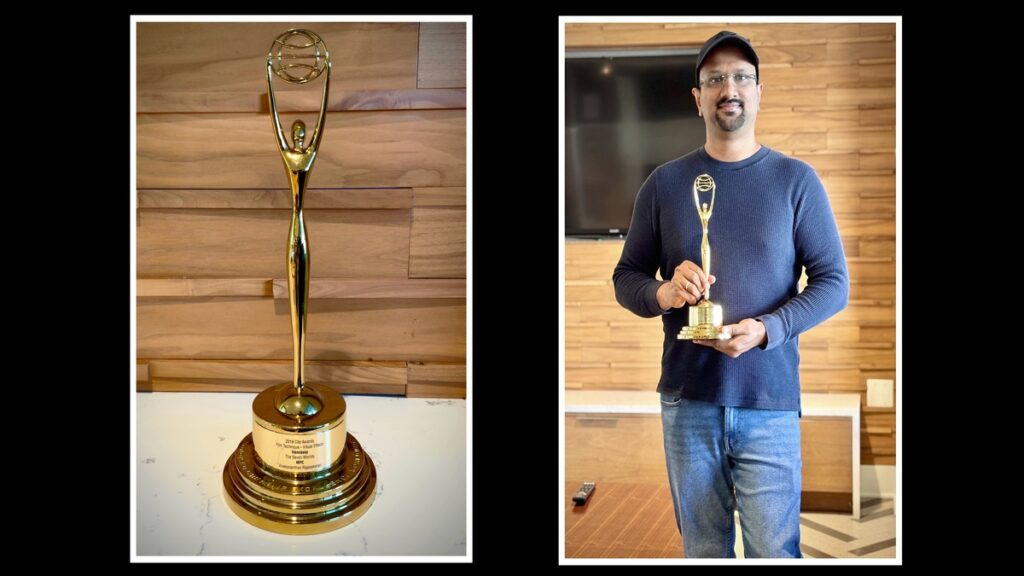

When acclaimed filmmaker Ridley Scott partnered with Hennessy to create The Seven Worlds, the vision was far more ambitious than a conventional advertising campaign. Inspired by the rich and complex tasting notes of Hennessy X.O cognac, the project sought to transport audiences through seven surreal, visually distinct worlds, each representing a unique sensory experience. The result was a breathtaking fusion of storytelling, design, and visual effects that went on to earn international acclaim, including a prestigious Clio Gold Award.
The campaign’s mesmerising imagery was contributed by Vivekananthan Rajasekaran, with 15 year plus experience. He served as the compositing lead for three of the seven worlds: Rising Heat, Chocolate Lull, and Sweet Notes.Tasked with seamlessly blending multiple visual elements into cohesive cinematic environments, he played a crucial role in bringing these imaginative realms to life.
In this feature, he takes us behind the scenes of the award-winning project, sharing insights into the creative challenges, technical innovations, and collaborative processes that transformed Hennessy X.O’s flavour profile into an unforgettable visual journey.
Sequence leadership and scope of work
Rajasekaran orchestrated the final compositing execution, look development, and overall visual quality across these sequences. Working in Foundry Nuke, he led the shot development through final delivery, established and refined the visual approach for key sequences, and worked closely with the VFX supervisor to ensure alignment with the creative vision.
On a project of this scale, leading three sequences represented a substantial level of creative and technical responsibility. The compositing team comprised ten artists, with Rajasekaran’s unit of four responsible for Rising Heat, Chocolate Lull, and Sweet Notes, three of the campaign’s most technically demanding chapters. His role extended beyond shot execution to defining the final visual approach for each sequence, including CG integration with live-action plates and managing lighting continuity across complex environments.
Rising Heat: Environment, simulation, and CG integration
Rising Heat was one of the most technically demanding sequences in Hennessy X.O: The Seven Worlds.
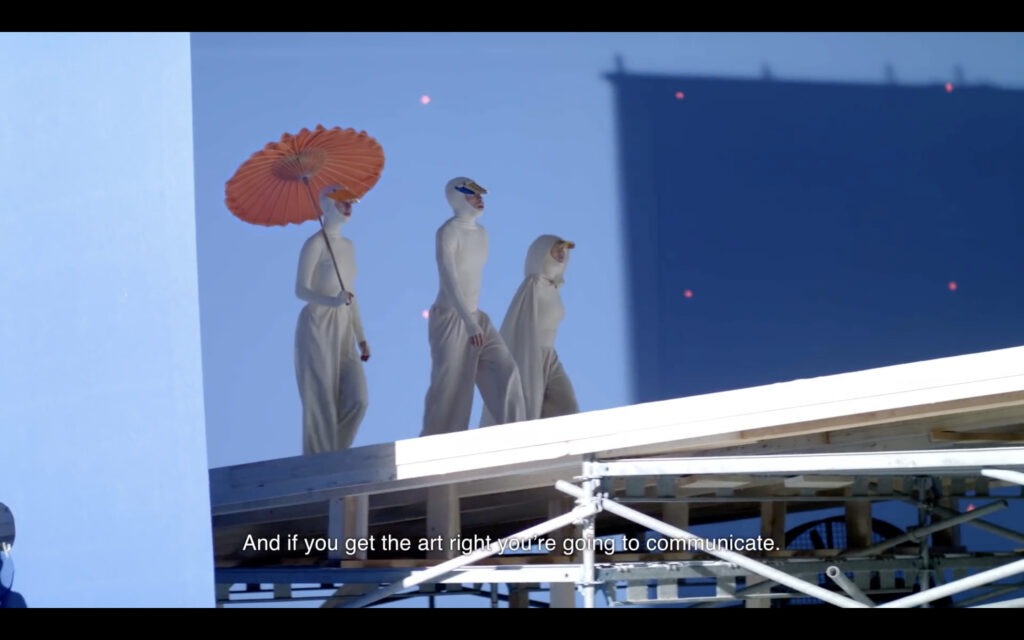
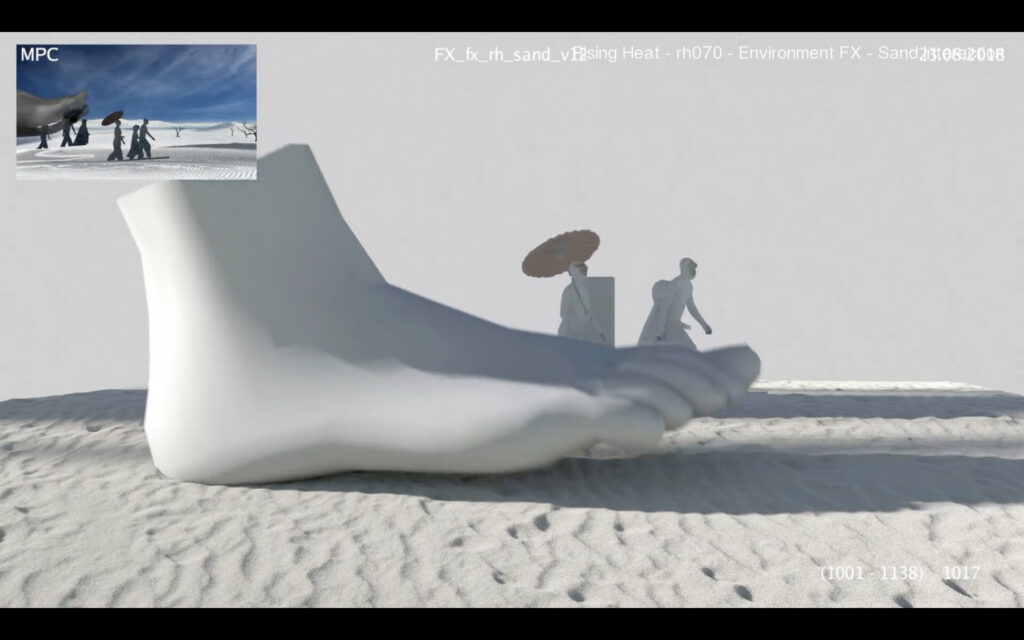
“I had to oversee the integration of a massive CG human, complex sand simulations, and live-action footage, ensuring realistic scale, lighting, shadows, and atmospheric interaction throughout the sequence,” he explained.
Rajasekaran also led the compositing of large-scale desert environment extensions using digital matte painting projections, transforming the filmed location into a vast and seamless landscape. In addition, he developed a custom tool specifically for the project to achieve the desired heat-haze effect, carefully integrating it into the composite to enhance the sense of scale and temperature. The final result combined CG characters, environmental effects, and photoreal compositing into a visually striking sequence that supported the campaign’s award-winning creative vision.

Chocolate Lull: Levitation and the weight of chocolate
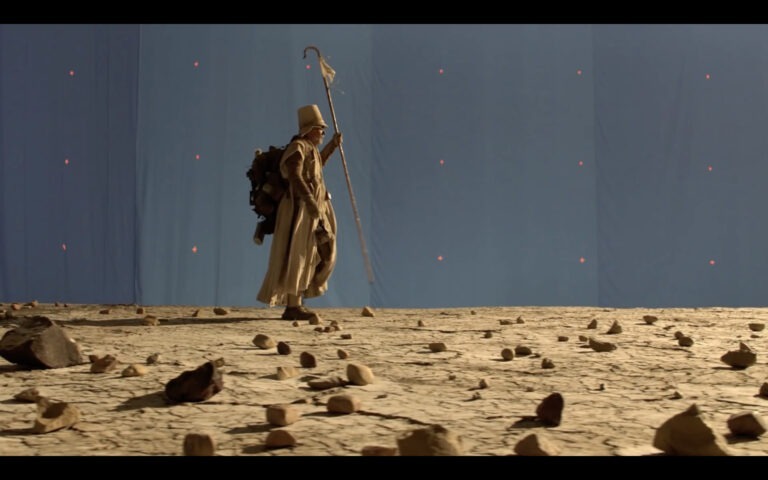
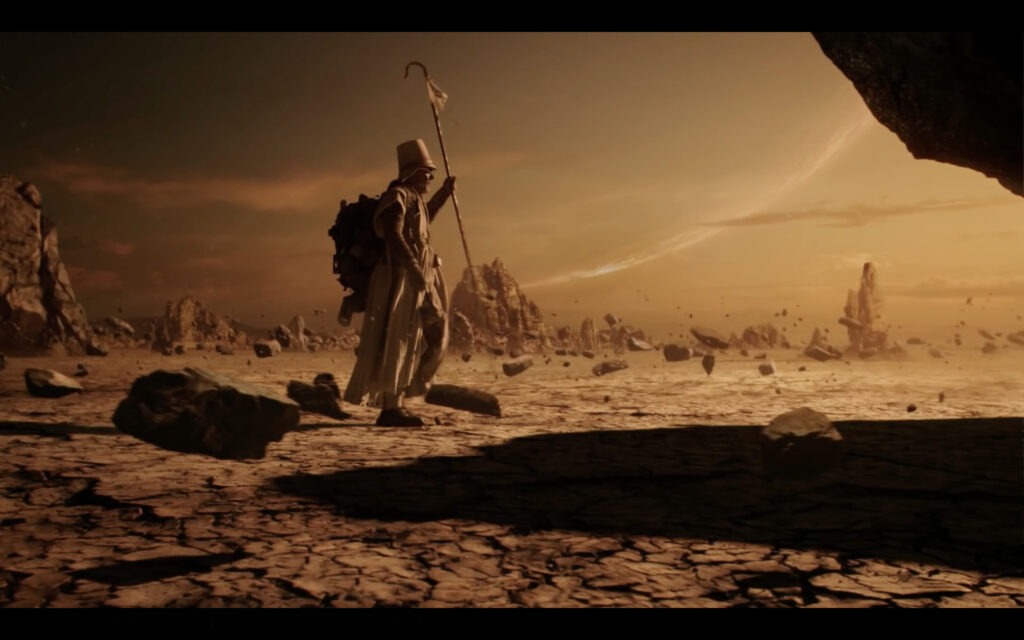
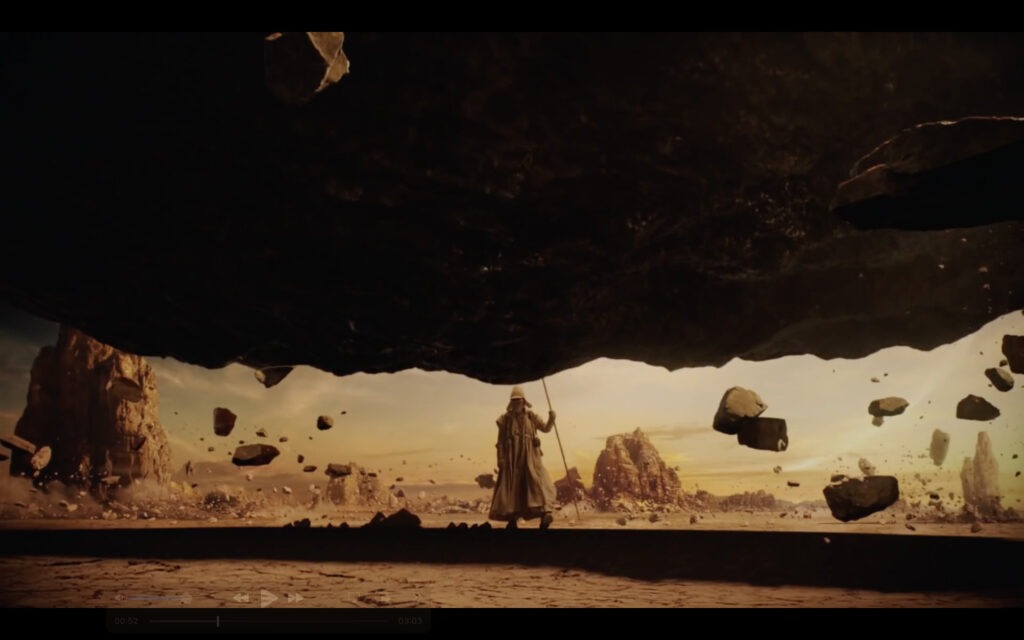
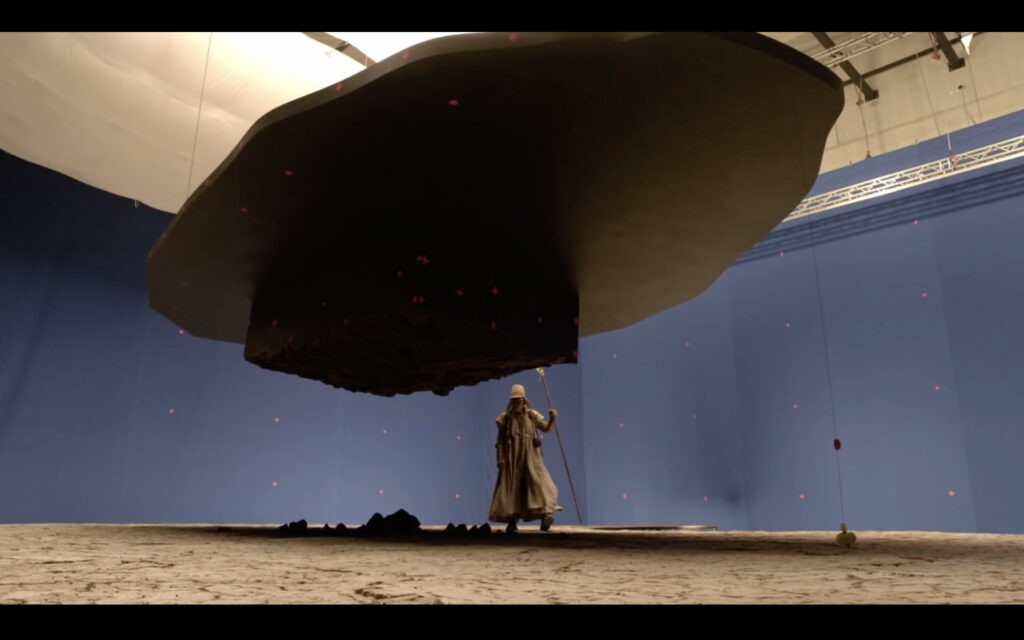
Rajasekaran explained that the concept for Chocolate Lull was built around a simple yet beautiful idea: a sunrise breaks across a world where the rocks are made of chocolate, and as the light touches them, they begin to levitate. The implication was purely sensory, a world so rich with indulgence that gravity itself seemed to surrender.
The live performers were filmed entirely against a blue screen, while everything surrounding them, the landscape, the sky, and the rising chocolate formations was created using full CG builds and digital matte paintings before being integrated with the live-action plates in Nuke.
Discussing the challenges, Rajasekaran said, “What made this sequence genuinely punishing to composite was the sunrise. A sunrise is not a static light source; it moves, continuously shifts colour temperature, and changes the quality and direction of every shadow as it climbs.”
Making light in a studio-shot blue-screen plate, feel as though it belonged to the same moment as a fully CG world illuminated by a rising sun, required continuous dynamic light matching across every shot. The chocolate rocks, lifting as the sunlight touched them, had to respond to a source that was simultaneously changing angle, intensity, and warmth, with specular behaviour and shadow casting updating frame by frame.
The digital matte painting projections followed the same logic. He incorporated the sunrise into the compositing process, ensuring the world changed and came to life along with the light.
Sweet Notes: Fluid simulation and compositing integration
The signature element of this sequence was a levitating fluid created entirely in CG and composited into live-action footage. A fluid simulation that appeared suspended rather than falling required compositing integration that was virtually invisible.
The motion of the fluid, its interaction with the lighting in the live-action plate, and the way its edges resolved against the background all had to be flawless. Any weakness in these areas would immediately reveal the effect as CG layered over footage rather than something existing naturally within the scene.
The 3D integration and lighting work executed by Rajasekaran in Nuke had to account for the fluid’s translucency, internal light scattering, and behaviour at the boundary between the CG element and the live environment. To this already complex integration, the director added another requirement: glitter within the fluid.
This challenge was far easier to describe than to execute. Glitter suspended within a translucent, moving, levitating CG fluid required specular highlights that responded accurately to the lighting in the live-action plate, particle-level motion that felt physically integrated with the simulation, and a distribution that appeared natural rather than procedural. Managing these elements within the composite, while maintaining the sequence’s required level of quality, added a significant layer of technical and artistic complexity to an already demanding shot build.
Awards and industry recognition
The campaign’s achievements included a Gold Clio Award for visual effects and British Arrows Awards for CGI and VFX, recognising the exceptional quality of its visual effects work. These honours celebrate creative excellence, technical craftsmanship, and the overall impact of the final imagery on screen.
Rajasekaran was responsible for the final compositing quality of three of the campaign’s most technically demanding sequences. The visual precision and consistency recognised by these awards were achieved in part through the compositing work completed under his leadership, making his contribution an important element of the campaign’s award-winning success.
