
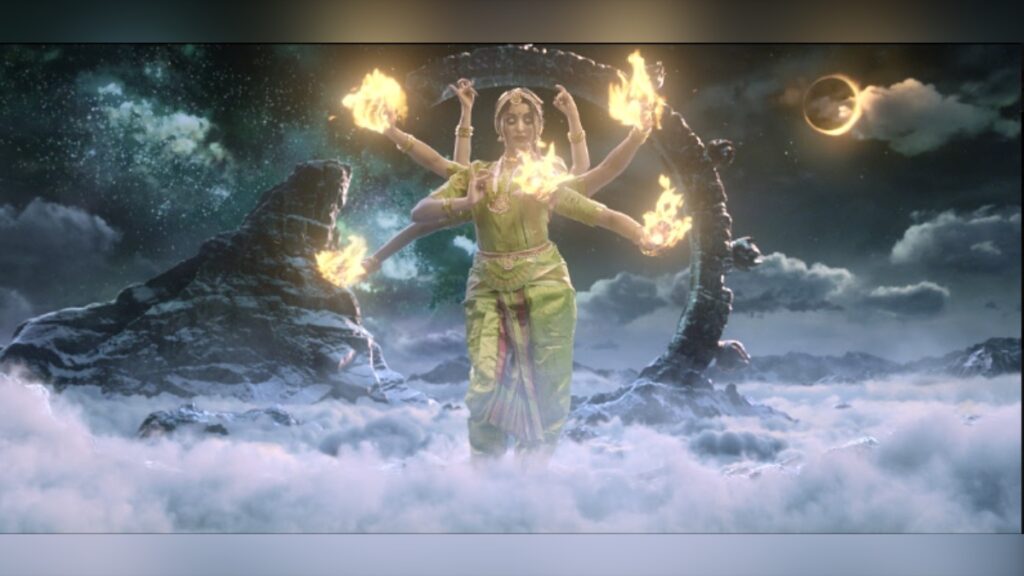
A yoga studio. Candles flickering. A row of mats, a room full of perfect poses, and something very wrong waiting in the shadows. That is Namaslay, a horror satire from the Bay Area brothers Rish and Kanish that slices into the Western wellness business. It opened in Los Angeles and New York on 6 August.
Behind the scares sat a team of artists who had no time to hold a pose. Bot VFX came on board after the shoot, as the film was nearing picture lock. The schedule was tight enough to make a contortionist wince.
The studio is no stranger to pressure. Founded in 2008 by Hitesh Shah, Bot VFX runs its production out of Chennai, Coimbatore and Pune, with a presence in Atlanta. Its artists have worked on shows such as Stranger Things, Westworld and The Umbrella Academy.
● On the process, from brief to final delivery
We joined the Namaslay team after the shoot, in the final stages of picture lock. That meant the client’s VFX supervisor and producer Ron Marelli, Venk Potula, and the directors Rish and Kanish. It began with a long creative download. We sat with the cut, listened to what the directors wanted and built a plan around their scope, timeline and budget.
We then broke the shot count into weekly milestones and asset schedules. For look development we picked out the key establishing shots, and our artists created concept art to fix the visual language. Once those looks were approved, we rolled them out across the remaining shots in each sequence.
Reviews were constant. Our VFX supervisor Caine Dickinson worked closely with Marelli and our executive producer Natasha Francis. The team took daily notes and kept refining until every sequence got final sign-off.
● On what makes a project tough
For Namaslay it was the clock. The post-production window was compressed, so there was no room for long iteration loops or do-overs. The pipeline had to work from day one.
Cutting corners was never on the table. The film mattered enormously to the filmmakers. A simple digital paint-out got the same care as a heavy CG character shot.
We beat the deadline with tight project management and a lot of dedication. That meant late nights and weekend shifts to protect every milestone, and the team wears that proudly.
Turning the directors’ vision into CG assets threw up some tricky technical problems. So we tore down the walls between departments. Every lead and supervisor sat in the same room, argued it out and fixed things fast.
● On what has changed in VFX
Everything moves quickly now. Tools turn over fast and AI and machine learning are shaking up workflows. Clients want quicker turnarounds and more complex visuals, often both at once.
The real skill is knowing when to experiment and when to stick with what works. On Namaslay the job was to cut risk. A tight schedule needs predictability, not adventure.
So we went with a disciplined, traditional pipeline. Maya, Houdini and Nuke, in the hands of seasoned artists. Bot keeps bringing new technology into its wider work, but this project showed that a mature pipeline is still the safest bet for delivering studio-grade work on time.
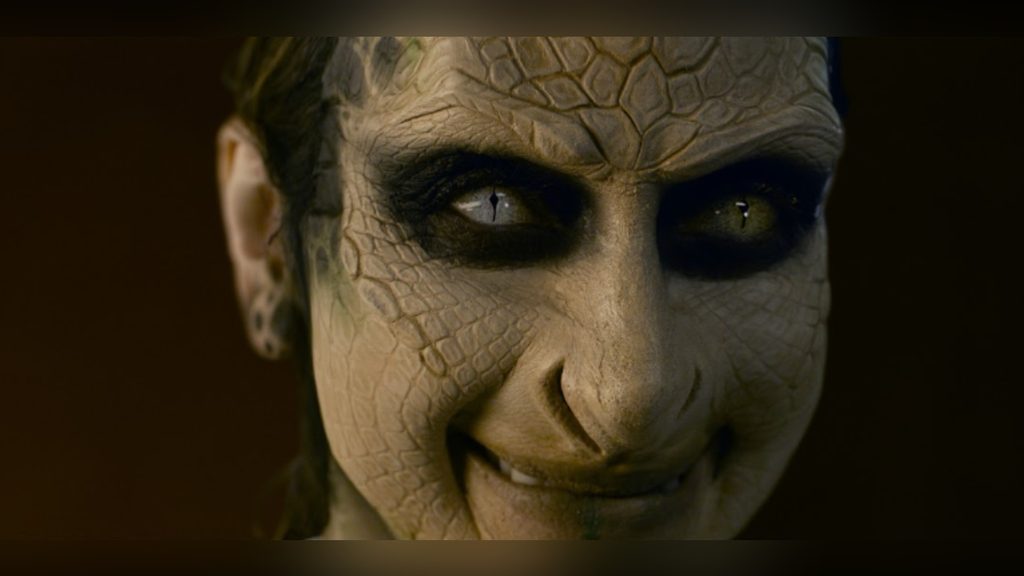
● On working with directors and international teams
Talk early, talk often. Our first meetings were about understanding the directors. What inspired them to tell this story and what mattered to them behind the camera. Those conversations gave us the creative threads for the whole film.
After that we used every channel we had: weekly reviews, written notes, emails and texts. Much of the work lies in decoding the small words. “Light” and “bright” can mean very different things to a director. Our client-facing leads fed those nuances straight into the technical schedule.
It paid off. When we showed progress, we heard things like “Wow, you guys nailed that look!” Artists live for that kind of note. Caine was central to all of it, turning what the directors described into clear steps that moved every shot to final.
● On AI in the VFX pipeline
AI is an accelerator, not a replacement. It is very good at the repetitive, high-volume grind. Rotoscoping, camera tracking and first-pass paint-outs used to eat up weeks. Machine learning can now speed them up and free Both computing power and artist hours.
But intent, nuance and authorship belong to people. AI works on probability. It does not understand story, emotion or when to break the rules. Directors give subjective notes, such as getting the mood of a scene right or finding the emotional weight in a CG character’s face. Those need human artists and production teams.
AI brings the speed. The artist brings the eye, the cultural context and the final creative call. Bot knows its first strength is its people.
● On the biggest opportunities ahead
Globally, demand for high-end episodic content and big-screen spectacle is not slowing down. What is changing is how the work gets done. Production is more distributed, and studios want pipelines that are secure and adaptable. Our growth comes from working as a seamless extension of a client’s own team, wherever they are.
Our biggest asset is the relationships we have built with major studios and post-production houses around the world. Put India’s fast-growing technical talent together with strong global pipeline management, and we can handle big domestic films as well as high-volume international work.
● On picking a favourite project
Choosing our best work is like being asked to name a favourite child. Each project matters to the studio in its own way. For us success is not a single marquee title or one flashy shot. It is how the team grows with every show it delivers.
