
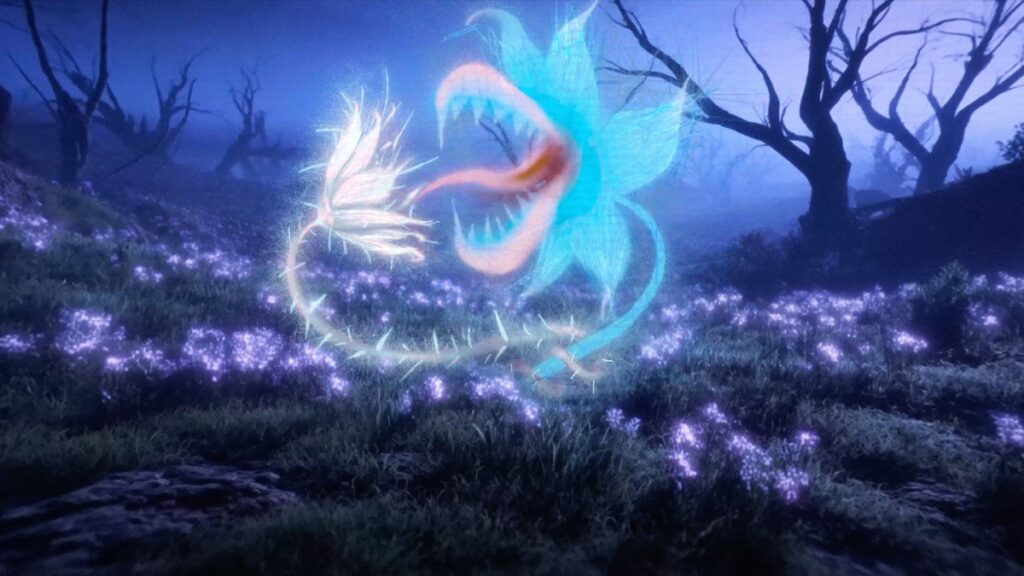
Scrolling, lurking, masking and snapping may sound like ordinary habits of the digital age. But animation director and visual artist Zehao “Tara” Hou’s The 70 Deadly Sins of the 21st Century takes on a stranger form: a darkly funny nature documentary about fictional species that turns the mirror back on our online lives.
Released on 3 August 2026, the three-minute animated short examined how digital systems quietly shaped human behaviour. Rather than treating technology as the villain, Hou explored the point at which convenience and connection tipped into excess, turning everyday actions into habits that could become almost instinctive.

The title The 70 Deadly Sins of the 21st Century draws on the traditional seven deadly sins, expanding the number to seventy to reflect the complexities of contemporary life. The artist explained that rapid social change, technological growth, digital habits and online culture had created new, often unnoticed patterns of behaviour. Rather than using sins in a strictly religious sense, the title playfully examines habits that shape how people think, behave and relate to others. The seven sins featured in the short are the beginning of a larger project, with Hou hoping to explore more through future films or other formats.
The idea had been brewing for about two years. The project began as a series of short animation loops called My Little Monsters, featuring creatures that represented the contradictory voices, emotions and impulses inside Hou’s own head. They started partly as a joke and partly as a way of studying herself. Over time, however, the monsters began to feel less personal.
Hou started recognising the same patterns in people navigating social media, constant connectivity and digital systems. The collection grew, and so did the idea behind the film.
The final short came together under unusual circumstances. After the University of Southern California (USC) announced the closure of its expanded animation programme in early 2026, Hou had been left with emotions that did not fit the separate project she was developing. She shelved that work and returned to the existing monster experiments. The original loops had been made intermittently over two years, while the script, narration, opening and closing sequences and final three-minute edit were completed in roughly 10 intense days.
When habits became sins
The film borrowed its moral framework from the traditional seven deadly sins, which are known as Scrolling, Lurking, Masking, Witnessing, Snapping, Curating and Malblooming, but with a distinctly 21st-century makeover.
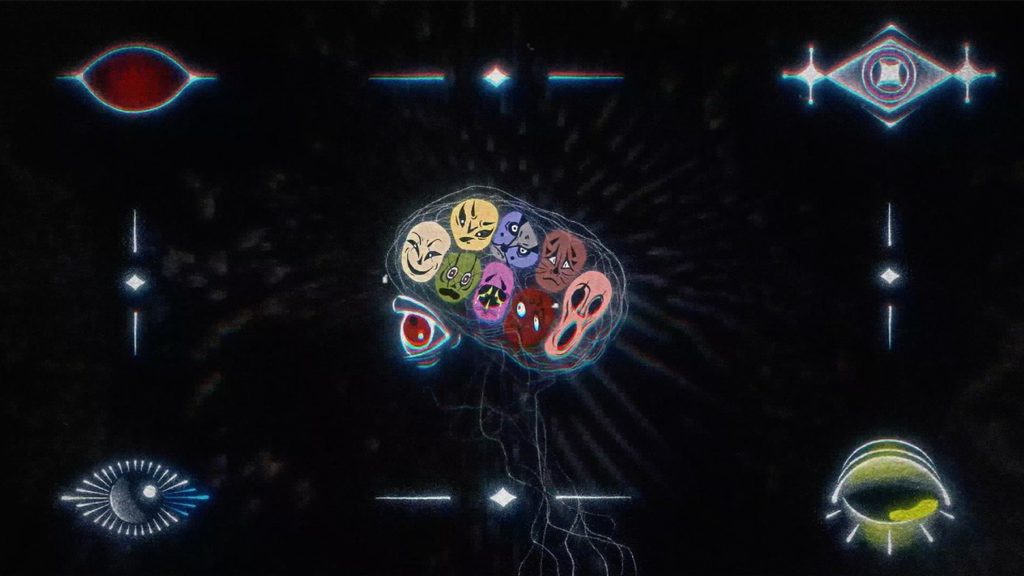
In a conversation with AnimationXpress, Hou explained that the film was not a rejection of technology. She valued the convenience, access and connection it had brought, but was interested in how easily those benefits could become excessive or automatic.
“I call them ‘sins’ not because using technology makes someone bad, but because these habits can quietly begin to control and reshape us before we realise it,” she said.
Interestingly, the filmmaker did not start with a finished list and then build characters around it. The process worked in reverse. The creatures already existed as independent animation experiments, and she gradually recognised the behaviours they seemed to embody.
Attention, observation, self-presentation and public performance became recurring threads. The creatures were then pushed further, imagining what might happen if a behaviour was repeated so often that it stopped being a conscious choice and became part of a creature’s anatomy and instincts.
A nature documentary with a nasty little twist
The short’s mockumentary format added another layer to the experiment.
Hou drew inspiration from Till Nowak’s The Centrifuge Brain Project, particularly its dark humour and straight-faced scientific treatment of absurd subjects. The approach allowed impossible creatures and strange behaviours to be presented with calm, observational narration.
The distance was deliberate. By observing familiar behaviours as if they were specimens in the wild, the film encouraged audiences to look at their own habits from the outside.
The visual language was equally restless. Transforming bodies, saturated colours, repetition and unusual movements helped turn ordinary digital behaviours into physical creatures, while keeping all seven species within a shared ecosystem.
From commercial screens to personal monsters
Hou’s commercial animation and VFX background also left its fingerprints on the project. Advertising had taught her to communicate ideas quickly, while creating visuals for large C-Pop (Chinese popular music) concerts in China had sharpened her sense of pacing, repetition and audience attention.
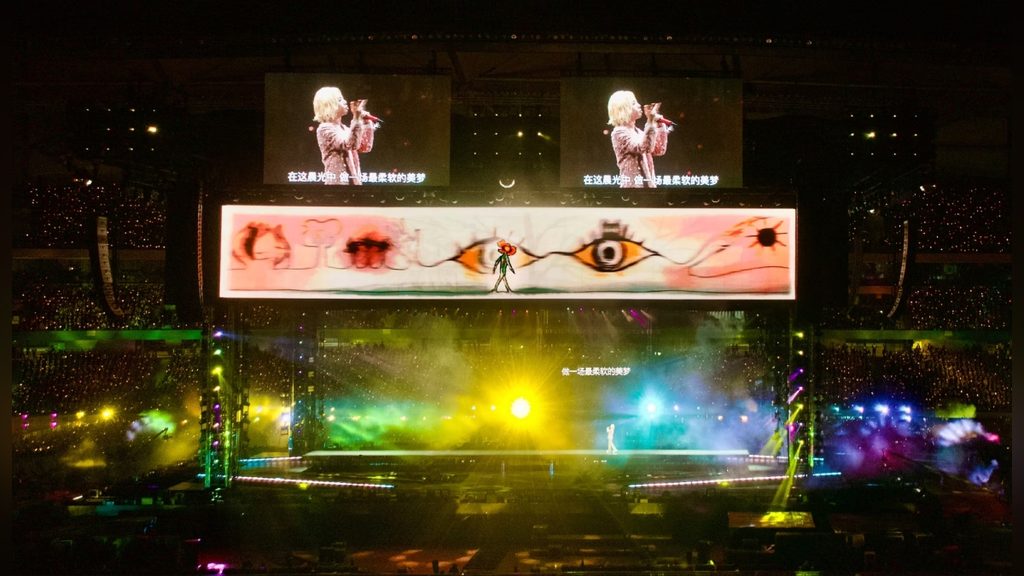
Those skills proved useful when seven different creatures and concepts had to fit into three minutes.
Her VFX experience also allowed her to mix techniques rather than force every sequence through a single production method. The film remained primarily hand-drawn, while motion graphics, TouchDesigner (visual programming software), brief AI-generated elements and After Effects compositing were brought in where they served the imagery.
Moving to Los Angeles at 29, meanwhile, changed the question behind her work. Commercial projects usually arrived with a brief, a defined audience and a clear message. Independent animation asked something harder: what did she want to say when there was no client setting the agenda?
That freedom became central to her creative voice. Drawing on Nietzsche’s idea of the three metamorphoses, Hou described her journey from the camel carrying inherited expectations, to the lion choosing change, and towards the child seeing the world with fresh curiosity.
The sins are only getting started
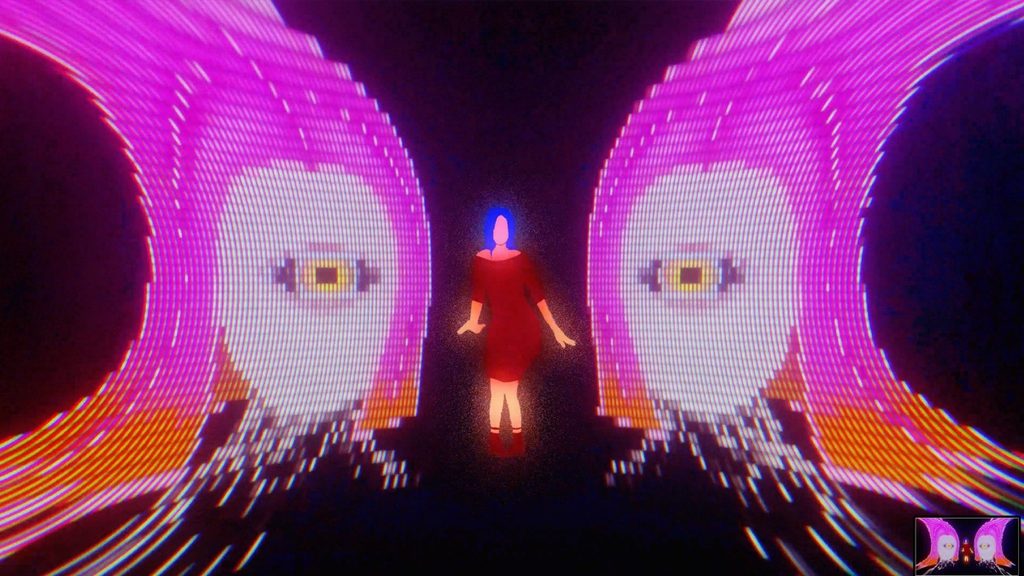
Hou’s next project was already beginning to take shape around another deeply personal subject: dreams. The idea remained in its early stages, but she was interested in finding a visual language for something difficult to define.
As for The 70 Deadly Sins of the 21st Century, the seven creatures were unlikely to be the end of the story. The animation director saw plenty more contemporary behaviours waiting to be observed, questioned and transformed into new species.
The joke, it seemed, had grown legs and there were plenty more monsters waiting in the wings.
