
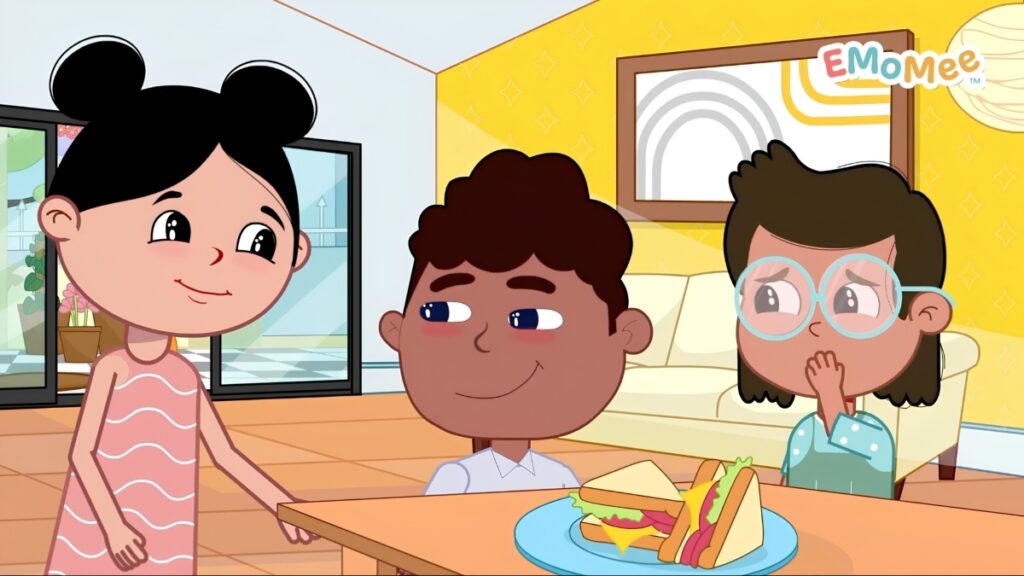
A toddler somewhere in Jakarta tapped a bright thumbnail. A cartoon boy with a tuft of hair started singing. Nobody at a television network scheduled that moment. Nobody bought a slot. The child simply chose it, and would probably choose it again the next day.
Multiply that tap by a few billion, and you had the new economics of Indian animation.
For decades, an Indian animated character had one front door: the television screen. A studio made a show, sold it to a kids’ channel and waited for the ratings to trickle in. If the broadcaster said no, the character never saw daylight. That door was now half shut. Domestic commissions had thinned out, and the channels had grown cautious.
So the studios had built a new door of their own. It was shaped like a YouTube thumbnail.
What had begun as a place to dump old episodes had turned into something far more valuable. Indian studios now used YouTube to introduce characters, test stories, measure what children returned to and carry their IP into languages and countries that no Indian channel could reach. The numbers had become too big to ignore. PowerKids Entertainment alone claimed more than 32 billion lifetime views. Videogyan said its network had crossed 40 billion.
But the harder question was what a studio did with them. We spoke to seven of the country’s biggest players on the platform. Each was chasing the same prize by a different road.
Emomee: from a thousand fans to a billion views in 18 months
Emomee was the new kid on the block, and it was running fast.
In April 2025, its YouTube channel had 1,000 subscribers. By September 2026, it had more than 2.6 million, over a billion views and an audience spread across more than 100 countries. That was roughly 18 months from a standing start to the billion-view club. Few Indian IPs had moved that quickly.
The show was built around three characters called E, Mo and Mee. Its motto was entertainment first, learning underneath. The episodes were short and bouncy, pegged to the questions children asked all day long. Underneath the fun sat lessons on curiosity, confidence, resilience and emotional intelligence, along with money sense, critical thinking and a child’s first brush with technology and AI.
The old way of launching a kids’ show was slow and linear. Studios made a pilot, found a broadcaster, locked distribution and then waited months for audience data. Emomee flipped that. It put its characters straight in front of children and let the viewing numbers do the talking.
“YouTube is one of the fastest ways to test whether an IP can travel,” said Emomee founder and chief executive Pooja Jauhari.
The test appeared to have worked. Emomee had two shows on Netflix globally, and it was working on consumer products, live entertainment and licensing. It had been pitching at international markets such as Mipcom.
Jauhari was careful not to oversell the YouTube cheque. Revenue from the platform was still at an early stage. The real prize, she argued, was the equity being built in the characters. A view today was also an advertisement for the franchise tomorrow.
That franchise had a plan with a catchy label: the 3S strategy of Screen, Shop and Stage. Screen covered YouTube, streaming and syndication, and was where children first met the characters. Shop took E, Mo and Mee off the screen and into toy boxes and school bags. Stage put them in front of families in live shows and musicals.
The company saw the business settling at roughly 40 per cent Screen, 40 per cent Shop and 20 per cent Stage. The roadmap had Screen and Shop scaling up in 2027, with a bigger push into live events from 2028.
The picture Jauhari painted was easy to imagine. A child spotted E, Mo and Mee on YouTube, met them again on Netflix, carried a plush Mo to bed and one day sat in a darkened auditorium watching them sing live. The ambition was to be a globally recognised children’s brand, not merely a well-watched channel.
Green Gold: Chhota Bheem found a new generation
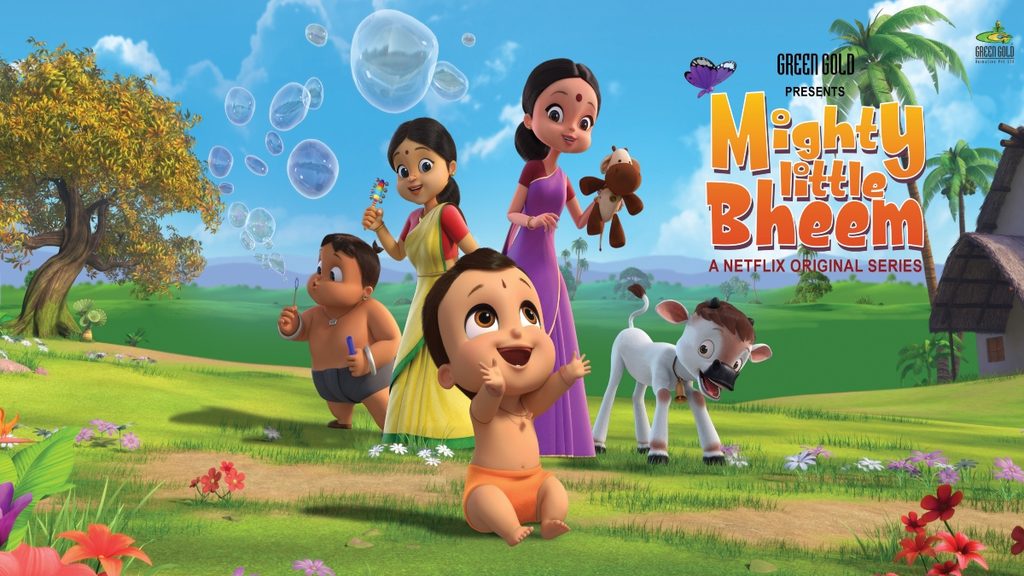
Green Gold TV went live on YouTube in 2011, back when digital was treated as a sidekick to television. The Hyderabad studio simply uploaded what it had. More than a decade on, the flagship channel had over 22 million subscribers, 11 billion views and more than 3,500 videos. It crossed 10 million subscribers in 2020 and collected YouTube’s Diamond Creator Award for it.
The big shift, the company said, was discovery. Television tied a show to a channel, a time slot and a country. YouTube tore up all three. A child could stumble on a Chhota Bheem song one afternoon, binge a compilation the next day and graduate to a full-length movie by the weekend. The character was available whenever the child wanted him.
That had done wonders for the back catalogue. On television, an episode lived and died in its broadcast window. On YouTube it stayed searchable for years. Episodes made long before today’s toddlers were born were still finding fresh fans. The strongman from Dholakpur was being introduced to a second generation of viewers without a single new commission.
Green Gold offered several ways in. There were full episodes and movies for the long sit, and songs, clips and compilations for a quick fix. Chhota Bheem shared the shelf with Mighty Raju, Super Bheem and Krishna.
The company did not disclose what YouTube earned it, and it did not treat the platform as a separate revenue line. Its digital business also included apps, games and social media. YouTube was the shop window. The money was made in licensing, merchandising, gaming and films.
Green Gold’s own figures did carry a warning sign worth watching. Annual watch time on its channels slid from 191 million hours in 2021 to 147 million hours in 2025, even as the subscriber base kept climbing. Children were subscribing but spending less time per visit, a pattern consistent with the rise of short-form viewing. Holding attention was getting harder, even for a household name.
The studio’s next bet was to use YouTube earlier in the life of a new character. It planned to try a character out online, watch how children reacted and then decide where to invest. Mighty Little Bheem had proved on Netflix that an Indian toddler hero could charm viewers far beyond India. Green Gold now wanted to find the next character that could make the same journey.

Reliance Animation: a channel for every audience
Reliance Animation had taken a department-store approach. Different floors for different shoppers.
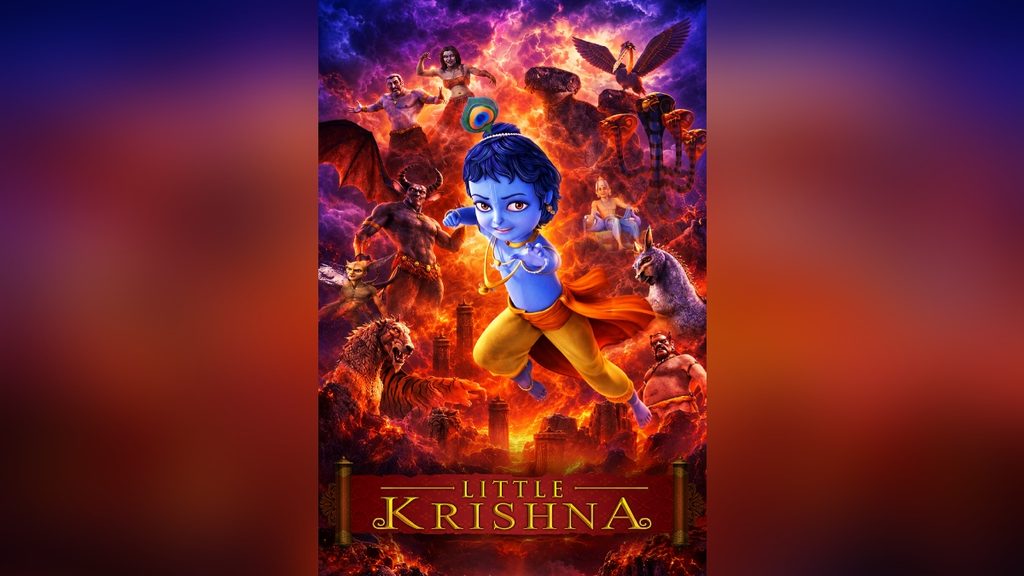
Big Animation, the flagship channel, housed kids’ entertainment, mythology and superheroes. This was home to Little Krishna, Little Singham and Smashing Simmba. It had about 7.16 million subscribers, more than 3.19 billion lifetime views, over 1,500 videos and more than 71 million views a month.
Little Krishna on its own showed how long the tail of a children’s show could be. Its publicly identifiable views had crossed 1.34 billion, with several individual videos notching up tens of millions each. The blue-skinned boy god playing his flute in Vrindavan was still pulling crowds long after his television debut.
Big Story World catered to the whole family, with live-action stories, nostalgic classics and catalogue shows remastered in 4K. Little Kids Magic TV was for the youngest viewers, with nursery rhymes and early learning.
The studio was also making shows purely for YouTube, starting with a character-led original called Bhaiyyaji Balwan.
“Localisation is one of our big levers,” said Reliance Animation chief executive officer Tejonidhi Bhandare. The company planned to dub its key shows into several international languages. Going the other way, it was buying rights to bring selected foreign content into Indian languages. It was also building regional live-action and animation programming.
Bhandare was candid about the catch. Content marked, made for kids on YouTube could not carry personalised ads, and some data-driven features were switched off. That put a cap on advertising income. Premium animation cost serious money, and ads alone rarely covered the bill for new content.
The answer was to earn from as many places as possible. Reliance Animation stacked advertising alongside licensing, brand partnerships, syndication, music and merchandising. A character that became famous on YouTube could then earn in all those other places.
Behind the scenes, the studio had been retooling. It had built up 2D, 3D and Harmony-based production pipelines and was folding AI into development and production. The target over the next five years was digital-first characters and more regional-language shows. Each character would come with its own ecosystem of long-form videos, Shorts and music.
PowerKids: one front door, many rooms
PowerKids Entertainment played the portfolio game, and played it at size.
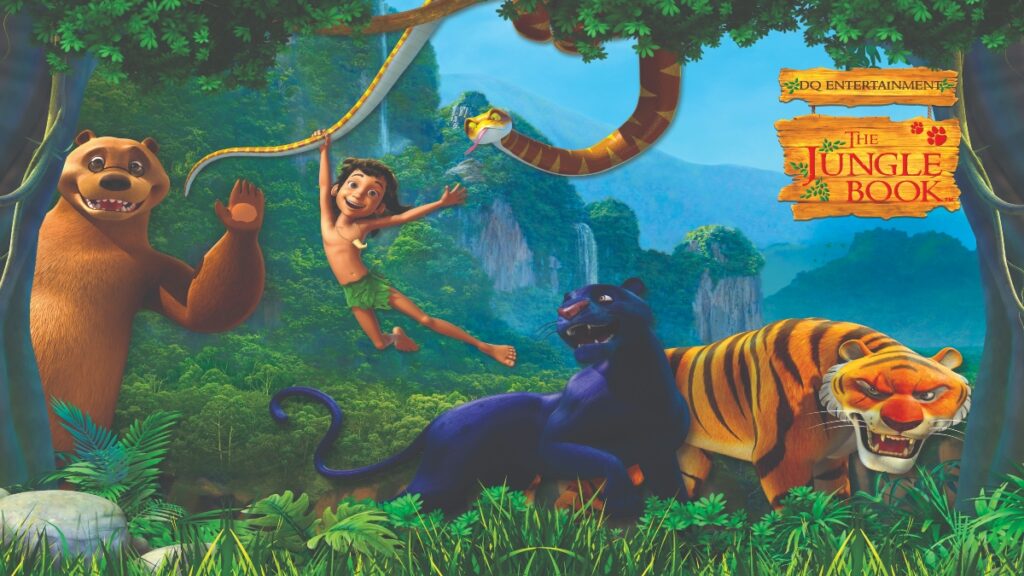
Its channels carried a stable of children’s titles: The Jungle Book, Peter Pan, Robin Hood, Dragonero and Young Achievers. The content mix swung between full episodes, compilations, Shorts, music and short clips built around individual characters.
The growth had been steep. Company figures showed subscribers rising from 23.72 million in 2021 to 49.88 million in 2025, a jump of more than 110 per cent. Lifetime views rose from 11.84 billion to 29.76 billion over the same period, up 151.4 per cent. By September 2026, PowerKids TV stood at about 50.7 million subscribers and more than 32.36 billion views.
“With the proliferation of content, the challenge is no longer simply producing content,” said PowerKids Entertainment chief executive and managing director Manoj Mishra. “It is about getting discovered, building an audience, retaining that audience and creating a long-term relationship with viewers.”
Each format had a job. Shorts acted as the flyer pushed through the letterbox, introducing a character to a stranger. Full episodes and compilations were the living room where the viewer settled in and stayed. Mishra’s team watched which titles worked in which formats and which countries, and packaged content accordingly.
The trick was to pass the viewer from one room to the next. A child who came in through Mowgli might wander over to Peter Pan, then to Robin Hood. PowerKids sketched the journey as acquire, engage, retain, monetise and build IP.
YouTube, in this model, was the reception desk of a much bigger building. Beyond it lay licensing, distribution deals, Fast channels and merchandising.
“YouTube gives us the audience,” said Mishra. “Our job is to turn that audience into enduring global IP.”
Videogyan: from nursery rhymes to AI-assisted IP
Videogyan Studios started where many Indian YouTube studios did: animated nursery rhymes and a cheerful sing-along.
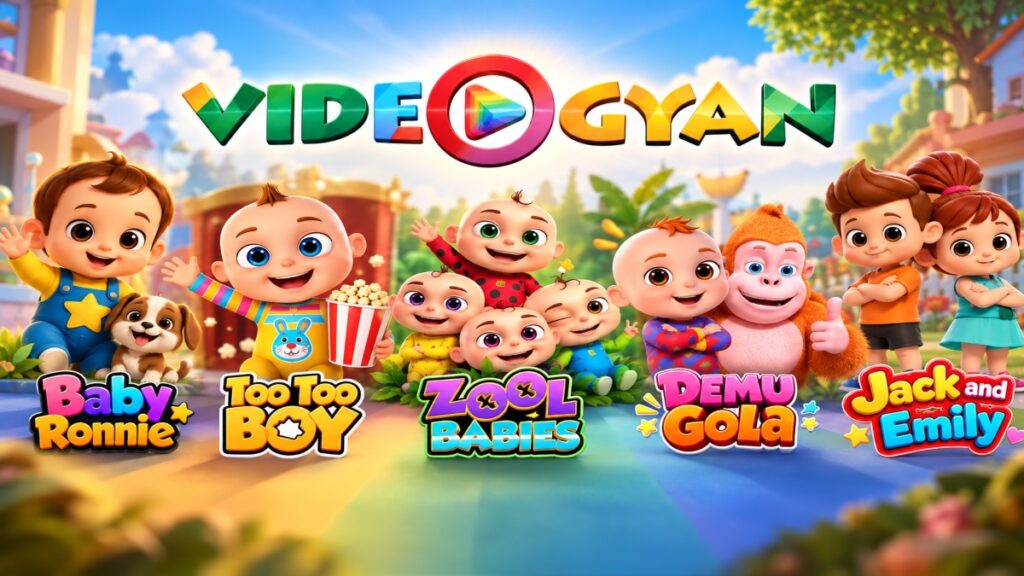
The Bengaluru studio had since grown well beyond Twinkle Twinkle. It owned a line-up of original characters: Baby Ronnie, TooToo Boy, Zool Babies, Demu Gola, Jack & Emilie and Baby Bluka. The output had widened from single songs to animated series, compilations, Shorts and longer viewing formats. What started as an English-language play had spread across several Indian and international languages.
The scale was enormous. Across its network, Videogyan said its content had clocked more than 40 billion views, and several of its channels had crossed the Diamond Creator Award mark.
“There is more content being produced today than ever before, so the real challenge is no longer just production or distribution,” said Videogyan Studios founder and chief executive Vishal TM. “It is discovery and sustained audience attention.”
Vishal described the shift simply. The studio used to make videos for YouTube. Now it built IP through YouTube. It put a new character out, tried a few treatments, watched the engagement and let that shape how the property developed.
The studio’s more striking move was its work with AI-assisted production. Vishal was at pains to stress that the goal was not to flood the platform with cheap clips. It was to bring down costs, try more ideas and iterate faster. The obvious payoff was in localisation. If a single episode could be reworked for a dozen languages at a fraction of the old cost, an Indian character could land in far more homes around the world.
Advertising still mattered to the business. But the studio increasingly judged its success by the lifetime value of a character: licensing, OTT and AVOD distribution, apps and expansion to other platforms. The five-year aim was a portfolio of preschool characters that children around the world actively searched for by name.
Toonz: dubbing its way across borders
For Toonz Media Group, the magic word was localisation.
Its YouTube network had more than 30 million subscribers and pulled in roughly five million views a day. The shelves held Gummibär, the singing green bear, alongside Zoonicorn, Rat-a-Tat, Darwin & Newts and Cat & Keet. The mix spanned animated series, short-form clips, music and regional-language programming.
India, with its patchwork of languages, had taught Toonz an early lesson. Children stayed longer with a story told in the language they heard at home. The company now applied that lesson in both directions.
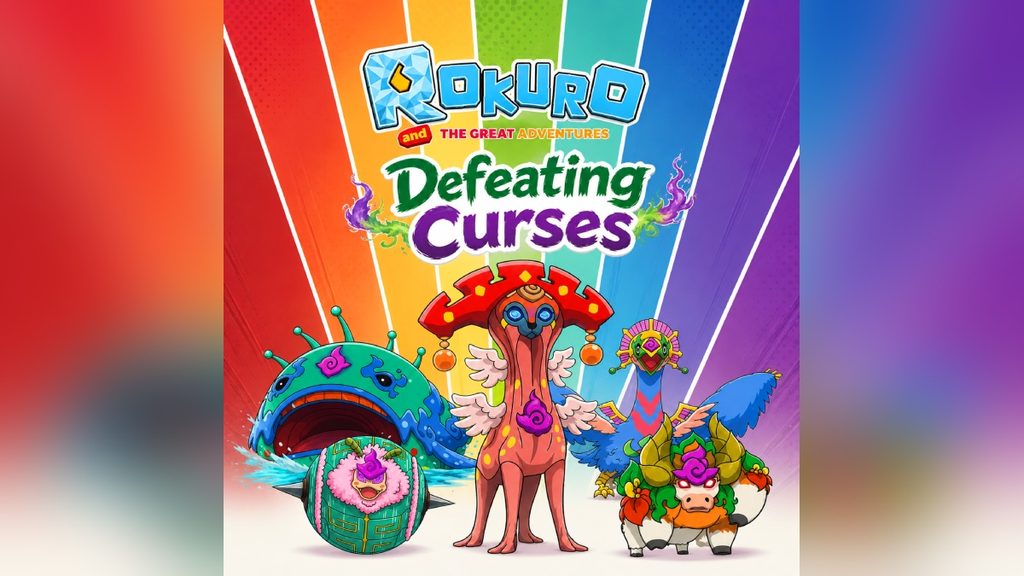
A recent example was Rokuro, a Japanese children’s series that Toonz had brought to Indian viewers in Hindi on its digital platforms. The company was then talking to Planet Studios about carrying Rokuro into more markets and languages. A show that started in Tokyo could end up being watched in Lucknow and beyond.
Toonz had also leaned hard into data. It tracked where viewers dropped off, which characters drew the most engagement and how behaviour differed from one market to the next. Those findings flowed back into programming and distribution. The result was a feedback loop running constantly between the studio’s writers and its audience.
Like its peers, Toonz did not measure YouTube only by its ad cheque. The audiences it built there fed licensing, merchandising, streaming, Fast channels and broadcast deals.
“Audiences will care less about where content originates and more about whether the content is relevant, engaging and available when they want it,” said Toonz Media Group chief executive Viswanath Rao.
Over the next five years, Toonz expected the lines between television, streaming, YouTube and Fast to blur almost completely. The company wanted to be ready on every screen at once.
Cosmos-Maya: speaking a dozen languages
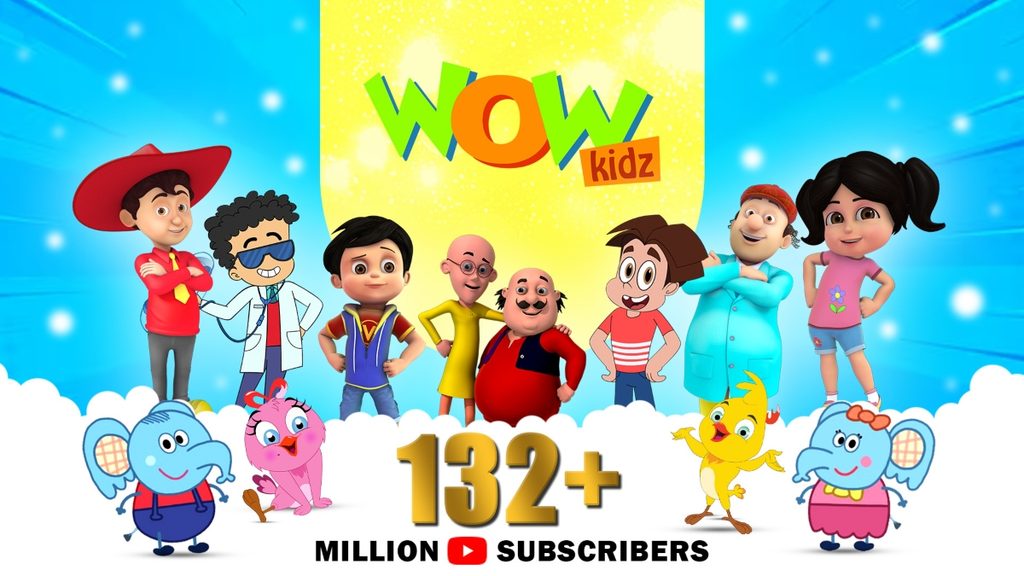
Cosmos-Maya had gone wide on languages and fast on Shorts.
Its content and dedicated channels were available in Hindi, Tamil, Telugu, Malayalam, Marathi, Bengali, Punjabi, Gujarati and Kannada, as well as Indonesian, Spanish and Arabic, among others. The same character could crack a joke in Chennai, Kolkata and Madrid in the local tongue.
The numbers were big and steady. Company data put views at about 7.38 billion in 2022, rising to 7.43 billion in 2023, 8.58 billion in 2024 and 8.62 billion in 2025. The channels racked up hundreds of millions of hours of watch time a year across long-form and short-form content.
The standout figure was in Shorts. Views on its short-form portfolio exploded from about 2.6 million in 2022 to more than 843 million in 2024. That was more than 300 times in two years. Few statistics captured more vividly how quickly children’s thumbs had moved to vertical video.
“YouTube has moved beyond its role as a digital distribution outlet to become a discovery, engagement and IP-building engine,” said Cosmos-Maya chief operating officer Dheeraj Berry.
The studio had learnt that simply uploading television episodes was not enough. Content had to be repackaged, cut down, dubbed and optimised for how children watched. A 22-minute episode might become a string of Shorts to hook new viewers, who would then be steered back to the full story.
Berry saw YouTube increasingly as an audience intelligence platform. It told the studio which characters, stories, formats and markets were working, and those signals fed into wider content decisions. The biggest change, he argued, was that an Indian animated character no longer had to start life on television. It could start on a phone screen and grow from there into a full-blown brand.
The catches nobody should ignore
For all the billion-view bragging, the model had fault lines.
The first was money. Children’s content on YouTube earned far less per view than adult content, because personalised advertising was switched off on videos made for kids. A billion views sounded like a fortune. Spread across a studio’s payroll and production costs, it was often a modest one. That was why every studio in this story talked about licensing and merchandise more than about AdSense.
The second was attention. Green Gold’s falling watch time and Cosmos-Maya’s Shorts explosion pointed in the same direction. Children were watching more but in smaller bites. A two-minute Short was a fine way to meet a character, but it was a poor way to fall in love with one. Studios needed to find ways to walk viewers from the Short to the series.
The third was AI. It promised cheaper episodes and faster dubbing, and several studios were already using it. But a platform crowded with machine-assisted clips would make standing out harder, not easier. A character still needed a face children remembered and a personality they missed when the video ended.
And finally there was dependence. Every one of these studios was building on land it did not own. One tweak to YouTube’s algorithm or advertising policy could change the economics overnight. Studios that were spreading their characters across Netflix, Fast, merchandise and live shows were the ones building a safety net.
The scoreboard
| Studio | Headline YouTube numbers (company-reported) | Key IPs |
|---|---|---|
| Emomee | 2.6 million+ subscribers; 1 billion+ views; 100+ countries | E, Mo and Mee |
| Green Gold TV | 22 million+ subscribers; 11 billion+ views; 3,500+ videos | Chhota Bheem, Mighty Raju, Super Bheem, Krishna |
| Big Animation (Reliance Animation) | 7.16 million subscribers; 3.19 billion+ views; 71 million+ monthly views | Little Krishna, Little Singham, Smashing Simmba |
| PowerKids TV | 50.7 million subscribers; 32.36 billion+ views | The Jungle Book, Peter Pan, Robin Hood, Dragonero, Young Achievers |
| Videogyan | 40 billion+ views across network | Baby Ronnie, TooToo Boy, Zool Babies, Demu Gola, Jack & Emilie, Baby Bluka |
| Toonz | 9.23K subscribers; about 5 million views a day | Gummibär, Zoonicorn, Rat-a-Tat, Darwin & Newts, Cat and Keet |
| Cosmos-Maya (WowKidz) | 41.4M billion views; 24 billion + views (2022-24) | Multilingual kids and family portfolio |
The thumbnail was the new pitch meeting
Lined up, the seven studios’ strategies looked very different. Emomee was building a brand-new franchise from scratch. Green Gold was giving a beloved old hero a second childhood. Reliance Animation was slicing its audience into neat channels. PowerKids was walking viewers from one classic to the next. Videogyan was betting on AI to scale its characters. Toonz and Cosmos-Maya were dubbing their way across borders.
What they shared was a changed starting line. The question used to be which channel would air a show. Now it was whether a child would click on it, and whether that child would come back the next day.
For years, Indian animators had waited outside broadcasters’ offices with pitch decks under their arms. By then, the first audition happened on a phone in a child’s hand, and the verdict arrived within weeks.
The studios that learnt to turn those taps into toys, tickets and streaming deals would build the next Chhota Bheem. The rest would just have very large view counts.
