

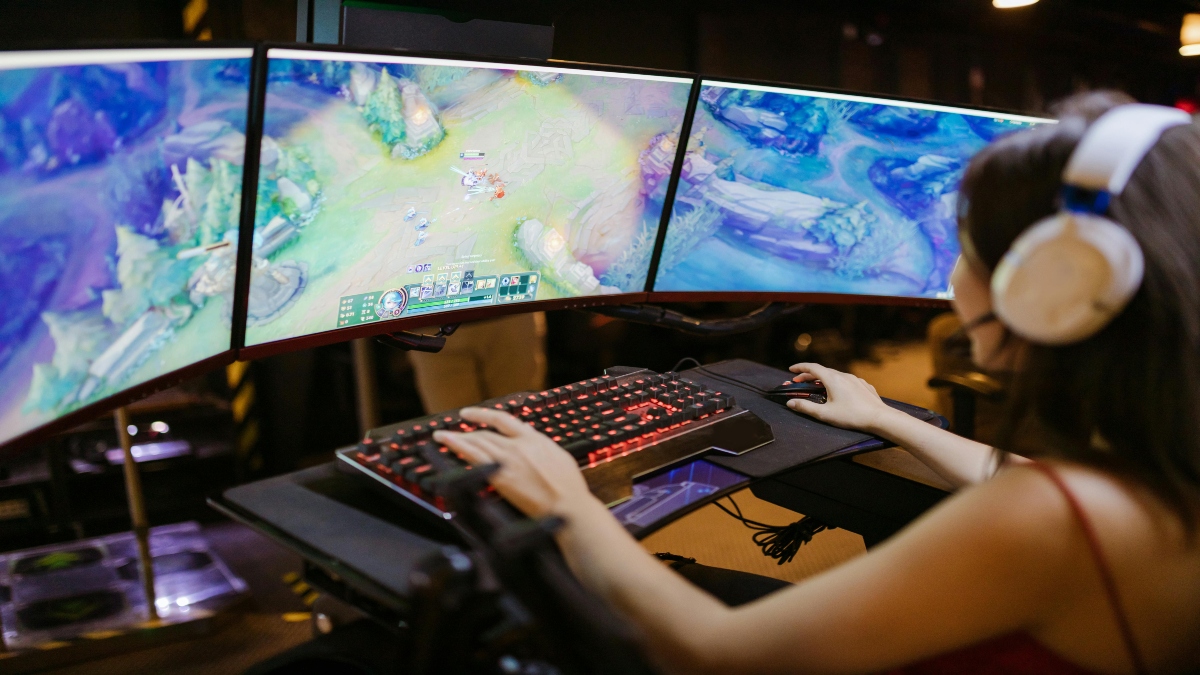
At the Confederation of Indian Industry’s (CII) Big Picture Summit, industry leaders, policymakers and team managers came together to examine the evolving landscape of esports in India and its prospects for global competitiveness in the session titled “Esports – Building India’s Competitive Edge”.
The session highlighted both the opportunities and challenges facing the sector, with participants stressing the need for structured talent development, robust infrastructure, and deeper collaboration between public and private stakeholders.
The speakers for the session were JetSynthesys chief strategy officer Girish Menon, WaveX CEO Ashutosh Mohle, Niko Partners global business development senior analyst Narinder Kapur, Sportech founder and CEO Sanand Mitra, RNT Esports CEO and founder Rohit Jagasia, CyberPower PC COO Vishal Parekh, and MetaNinza CEO Sudhanshu Sinha.
Speakers noted that the government has begun to recognise esports as a distinct category within the wider gaming industry. Initiatives such as incubation centres and support for start-ups in animation, gaming and extended reality were cited as early steps towards building a sustainable ecosystem. Officials emphasised that forthcoming guidelines would aim to encourage innovation while ensuring esports are promoted as healthy and non-addictive activities.
They shared experiences of competing at global tournaments, pointing out that consistent international exposure through boot camps and training abroad is essential if Indian players are to match the standards set by countries such as China, Korea and Russia. They argued that pathways similar to those in traditional sports covering scouting, coaching, and post-career opportunities must be replicated for esports athletes.
While India remains a mobile-first gaming market, panelists underlined that global esports is dominated by PC-based titles. The high cost of gaming hardware and limited awareness among young players were identified as barriers. Industry representatives suggested that experience zones and better access to professional-grade equipment could help democratise participation and prevent talented players from being held back by inadequate tools.
The panelists agreed that grassroots development is critical. They called for structured formats beginning at school and community levels, progressing through city and state leagues, and culminating in national representation. Such a layered approach, they argued, would build confidence among players and parents alike, positioning esports as a legitimate career option.
Comparisons with established esports markets suggested that India is still in the early stages of evolution. While proof of concept has been demonstrated through individual achievements and growing audiences, panelists estimated that the country is only partway towards global competitiveness. Codified standards for salaries, talent management and dispute resolution were seen as necessary to professionalise the industry further.
The discussion underscored that India possesses abundant talent and enthusiasm for esports, but sustained progress will depend on structured development, infrastructure investment and effective public–private partnership. As the government prepares clearer guidelines, stakeholders expressed cautious optimism that India could, in time, become a regular contender on the global stage.
