
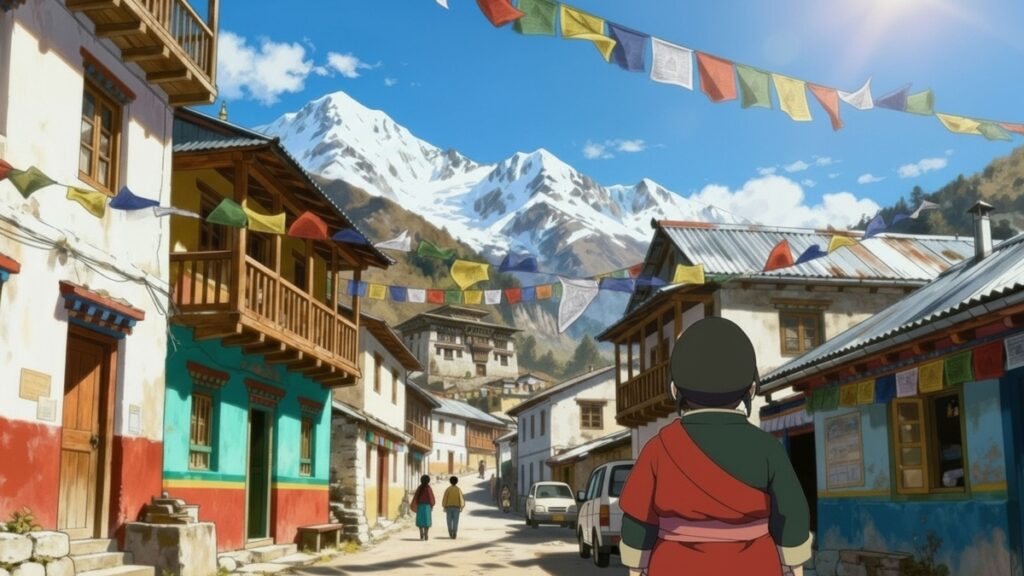
Every mountain keeps a secret. Some are hidden in stone. Others survive in prayer. And then there are stories. Stories that travel through poems, monasteries and memory, waiting for someone to tell them again.
High in the Tawang region of Arunachal Pradesh was born one of Tibetan Buddhism’s most remarkable figures. Tsangyang Gyatso, the sixth Dalai Lama. A spiritual leader unlike any other. A mystic. A poet. A man whose verses spoke as much of love as they did of faith.
Centuries later, his story is returning to the screen through animation.
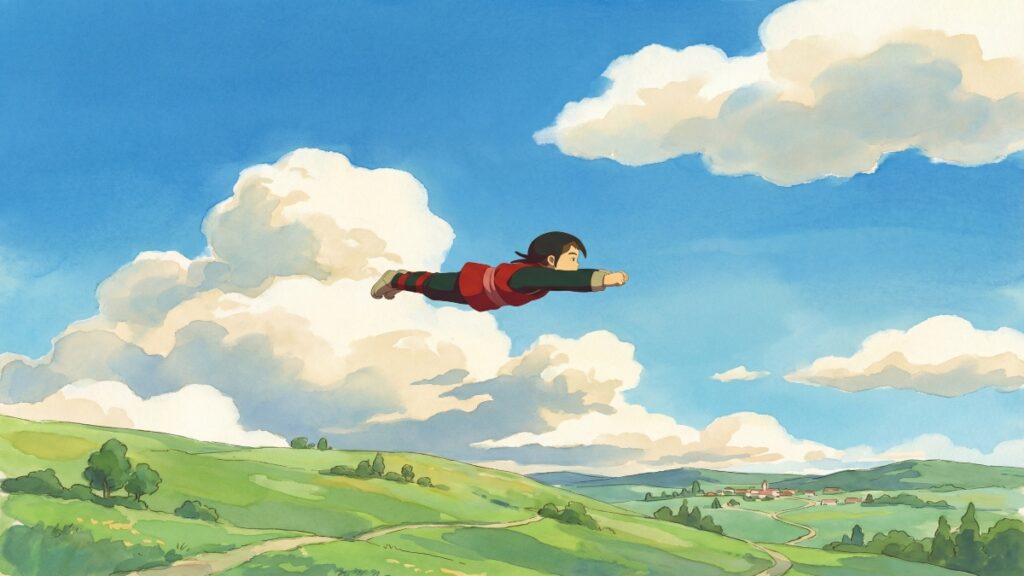
The animated short, The Monpa Poet, was developed by 4861 in collaboration with the Government of Arunachal Pradesh. The film revisits the extraordinary life of the sixth Dalai Lama, introducing a new generation to a legacy that extends far beyond history books.
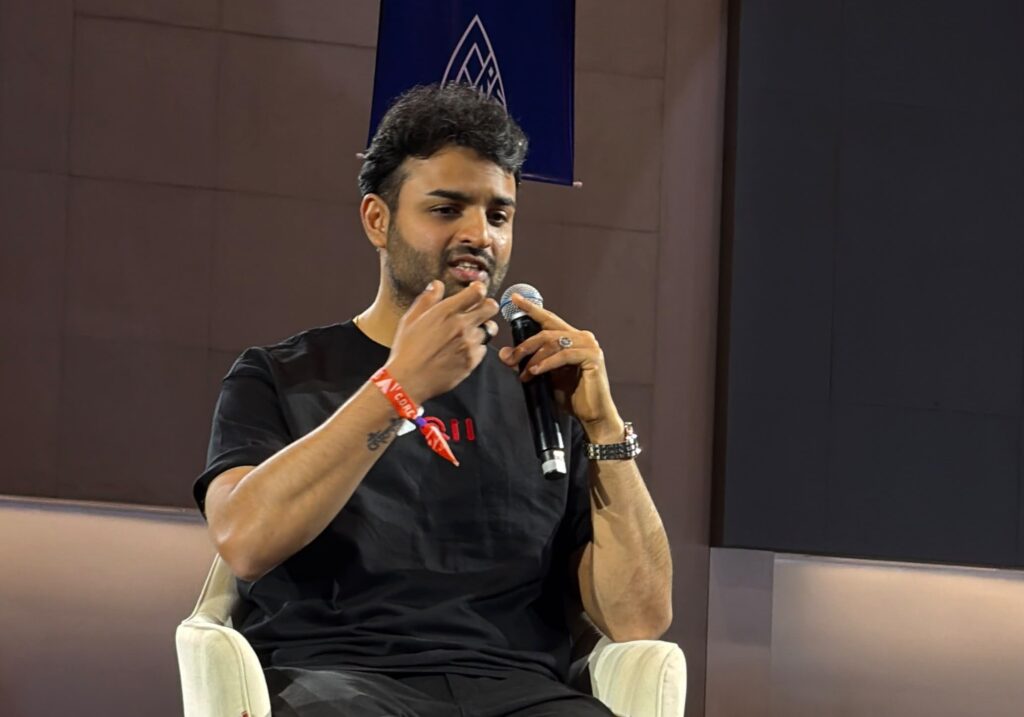
For 4861 founder and CEO Kushagra Kushwaha, the journey began with a question. Why doesn’t more of the world know this story? The answer was not easy to find.
“The more I read, the more I realised this wasn’t just the story of a spiritual leader,” Kushwaha told AnimationXpress. “It was the story of a man. Someone who embraced devotion but also wrote deeply human love poems. That contradiction fascinated me.”
Kushwaha felt the story deserved more than a historical reference. He wanted audiences to experience the person behind the legend. That desire became the foundation of the film.
His connection with Arunachal Pradesh, however, began years before the project itself. In 2017, Kushwaha travelled across the state while working with the NGO Art for Cause. During his time there, he immersed himself in local communities and experienced the indigenous Donyi-Polo belief system. He spent time understanding the customs, traditions and way of life that continue to shape the region. Those experiences stayed with him.
“When I returned for this film, I wasn’t discovering Arunachal for the first time,” he said. “I already had a relationship with the land and its people.”
Later, the project took a decisive turn in 2025. While in Tokyo, Kushwaha met Arunachal Pradesh chief minister Pema Khandu. The conversation eventually led to a collaboration with the Government of Arunachal Pradesh, helping transform an idea into reality. The partnership became much more than institutional support. It opened doors to voices rarely heard outside the region.
Among the film’s most important contributors was Moji Riba, who shared oral histories of the sixth Dalai Lama and provided rare reference photographs of the places where he spent his childhood. Those images became the visual blueprint for many scenes in the film. “We never wanted the culture to become decoration. It had to remain the heart of the story.” That philosophy shaped another major creative decision and the animation.
For Kushwaha, live action could never fully capture the emotional and spiritual landscape surrounding the sixth Dalai Lama, but animation could. It could move effortlessly between history and imagination. It could turn poetry into imagery. It could make mountains breathe, and memories glow. More importantly, it could celebrate the colours, architecture, rituals and artistic traditions of Arunachal Pradesh in ways no other medium could.
Bringing that vision to life was anything but simple. The entire production was completed in just one month. Every frame had to be built from scratch. Character designs continued evolving throughout production, requiring constant refinement to maintain consistency. The team also experimented extensively with AI-assisted workflows alongside traditional animation techniques, discovering through trial and error where technology could help and where craftsmanship still had to lead.
“It was a balancing act every single day,” Kushwaha said. Behind that effort stood a small but determined team. Animators Tenzin Chowang, Siddhant Borge, Abhishek Pawar, Yogesh Yannawar, Yash Gaikwad and Aditya Jadhav worked against demanding timelines to bring the project to completion. Another key partner was Morphic founder Jaynti Kanani, and his team provided 4861 with access to Morphic’s complete platform suite, allowing the filmmakers to experiment with new creative workflows while meeting an ambitious production schedule.
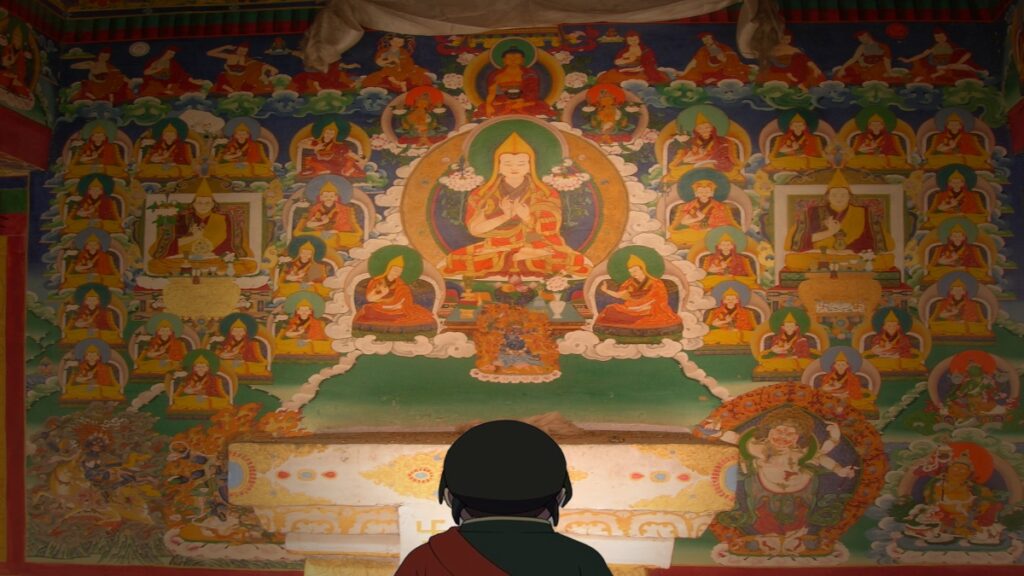
Kushwaha hopes audiences, particularly younger viewers, leave wanting to know more about the sixth Dalai Lama. About Tawang, Arunachal Pradesh and about a chapter of Indian history that deserves far greater recognition. “I hope they feel wonder,” he said. “And if they go looking for his poetry afterwards, we’ve done our job.”
Kushwaha ‘s next project is DQN, an original cyberpunk anime universe currently in production at 4861. Set within an Indian-Japanese future, the series explores identity, memory, technology and free will through political intrigue and cinematic action.
With plans to launch The Monpa Poet on YouTube, the filmmaker believes in the true power of storytelling. Faith may live in temples. Poetry may live on paper. But stories endure only when they are shared, retold and rediscovered by each new generation.
