
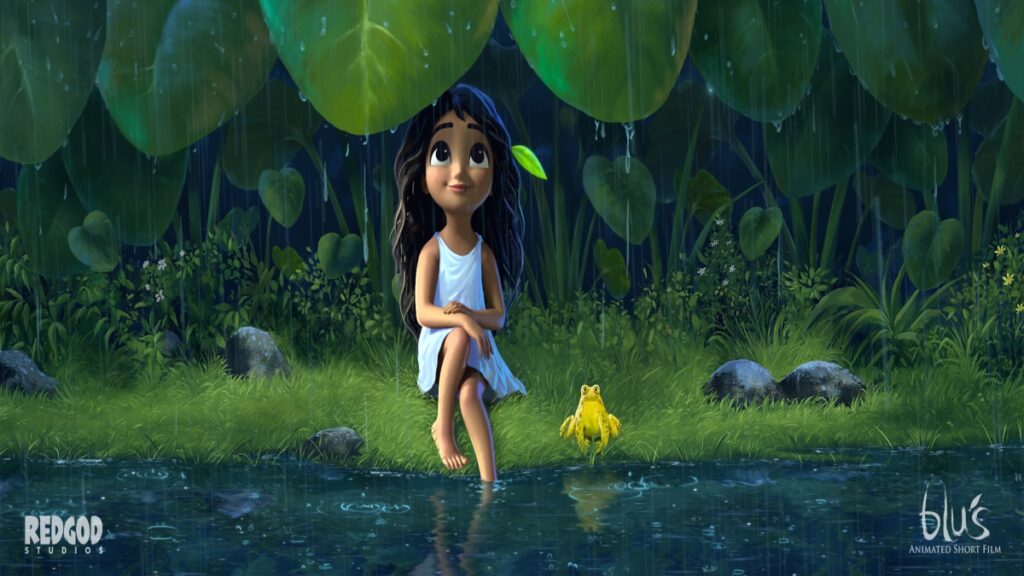
The tree is gone. In its place: a building, a road, something useful. Nobody held a funeral. Nobody thought to. And it’s a scenario being replicated almost all over the world. Even more so in fast-developing nations like India.
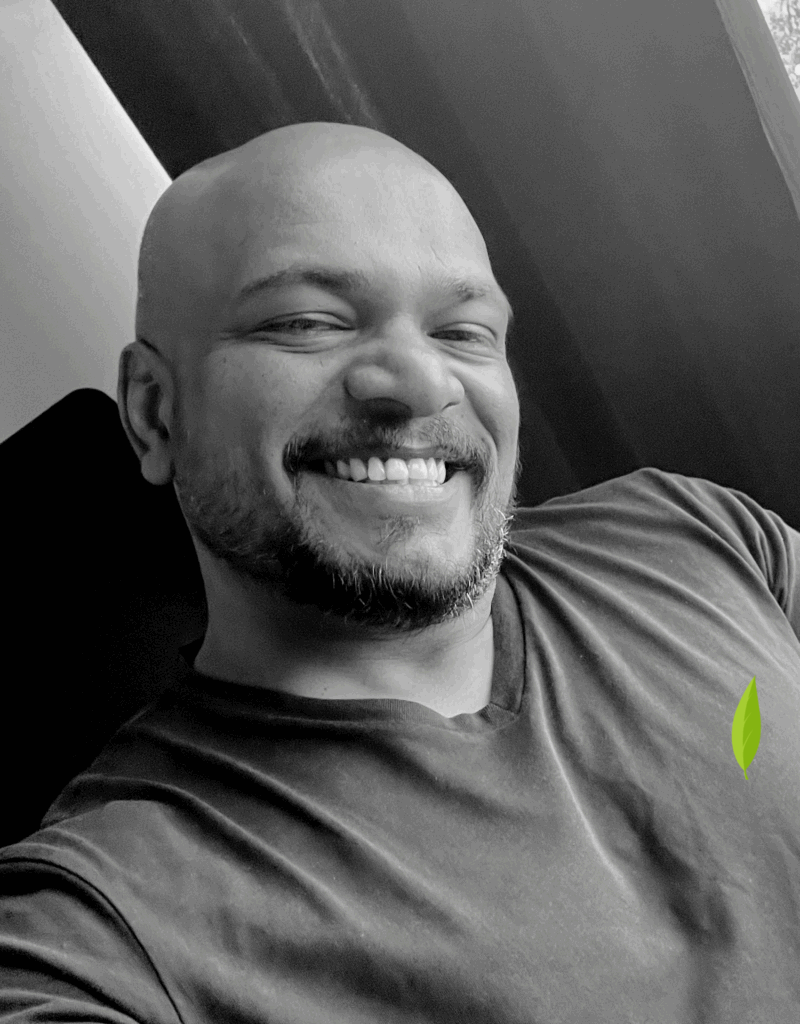
That particular grief, wordless, unheroic, easy to dismiss, has haunted Rajesh PK since boyhood. Now it has a film. Blu’s, an animated short from Rajesh’s Kerala-based RedGod Studios, has been winning prizes on the international circuit and asking, with disarming quietness, whether humanity has forfeited its right to nature’s patience.
The origin is almost absurdly simple. As a boy in his village in Kerala, Rajesh lay under a tree one afternoon and let himself imagine it gone. The feeling that arrived, sudden, hollow, disproportionate, never quite left. It sharpened considerably when he moved to Bangalore around 2008. Whitefield was still mud and open land. Within four years, he watched it vanish under concrete. “The green receded like a tide going out,” he said. He knew then that the feeling needed a form.
What he settled on was a child. Not a scientist, not an activist, not an adult burdened with rhetoric. A little girl, Blu, at the age when butterflies still feel like discoveries and the world retains its magic. She carries no manifesto. She simply holds out a leaf and waits for you to look at it. Really look.
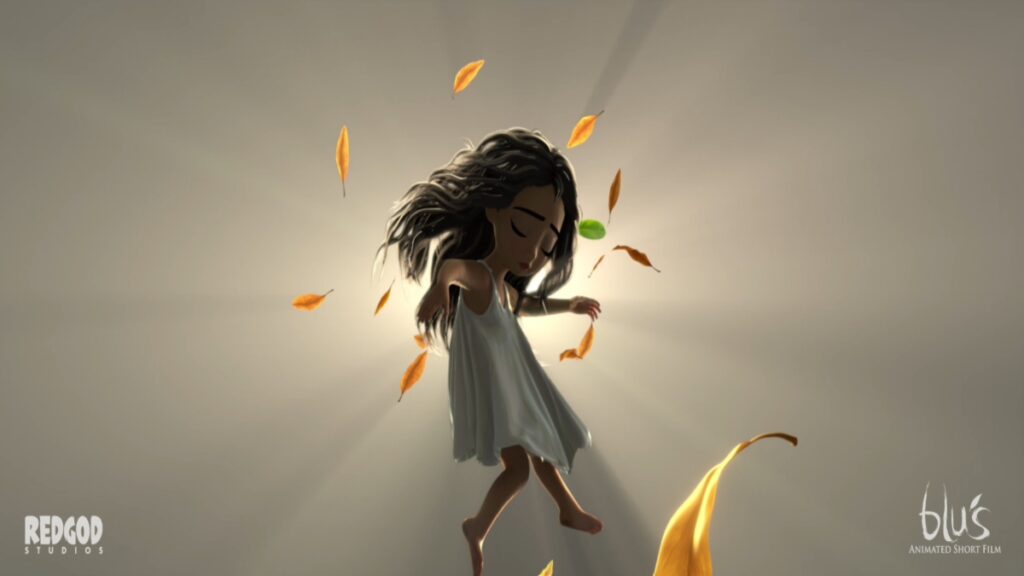
The film has no dialogue. Rajesh, who wanted “someone who understood silence more than noise”, built the entire emotional architecture out of imagery, music, and restraint. A child looking at a dying tree, he argues, does not need to explain herself. Either the audience feels it alongside her, or they do not.
Production was, by his own admission, an act of controlled stubbornness. Short films do not attract investors; Rajesh is clear-eyed about that, and an ambitious, painterly, dialogue-free animated short from a first-time director in Kerala was never going to find a backer. So he built the infrastructure himself. RedGod Studios was not born from a business plan; it was born from a film that refused to die. There were moments of self-doubt, stretches of fear. Quality, he says, was the one thing he would not negotiate on. Not once.
The film was completed on 4 April 2025, at 5 pm. “It felt like a birth,” he said.
The world Rajesh was documenting kept making his argument for him during production. He lived through wildfires near Los Angeles. He watched the Amazon burn in dispatches and glaciers retreat in photographs. The image that hit hardest was closer to home: a pregnant elephant in Palakkad, fed firecrackers hidden in fruit, dying silently in a river. Nature, the film quietly insists, is not the aggressor in this story.
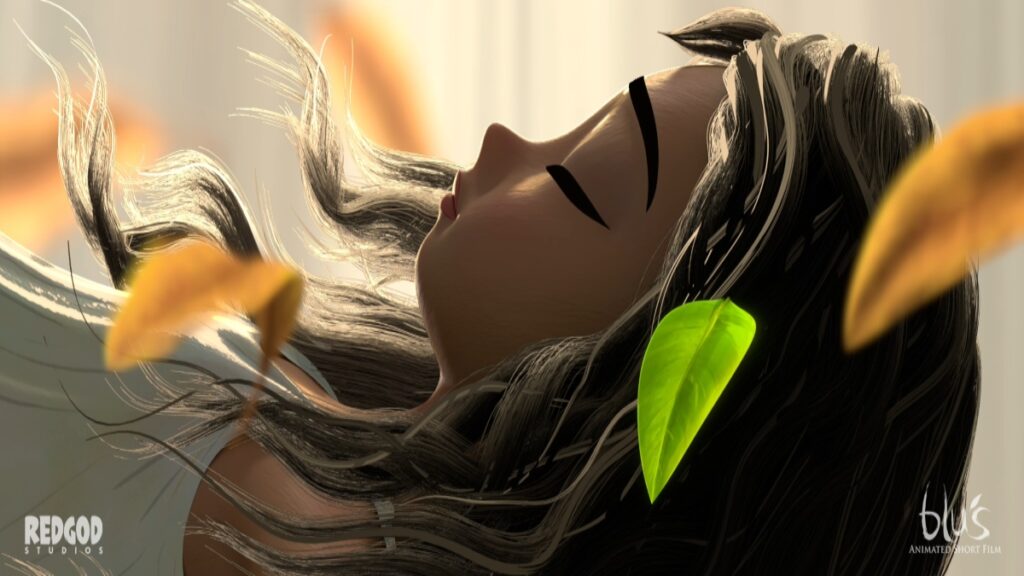
Blu’s has since collected the best animation short film prize at Indie Short Fest LA 2025, recognition at the Minsk International Film Festival Listapad 2025 in Belarus, and a selection at the Mumbai International Film Festival. Rajesh is taking it around the global awards circuit, with a full release planned for late this year or early 2027. Beyond that, he is tight-lipped about what comes next, except to say it is a story that could only come from India, a country with thousands of years of storytelling threaded through its culture that the world has barely begun to reckon with.
But it is Blu who lingers. Not angry, not despairing. Hopeful, improbably, stubbornly hopeful, standing in the wreckage of a world that has been cutting down its trees and holding out a single green leaf. The question she poses is not complicated. It is just very hard to answer honestly: when nature still has faith in us, have we done anything to earn it?
