
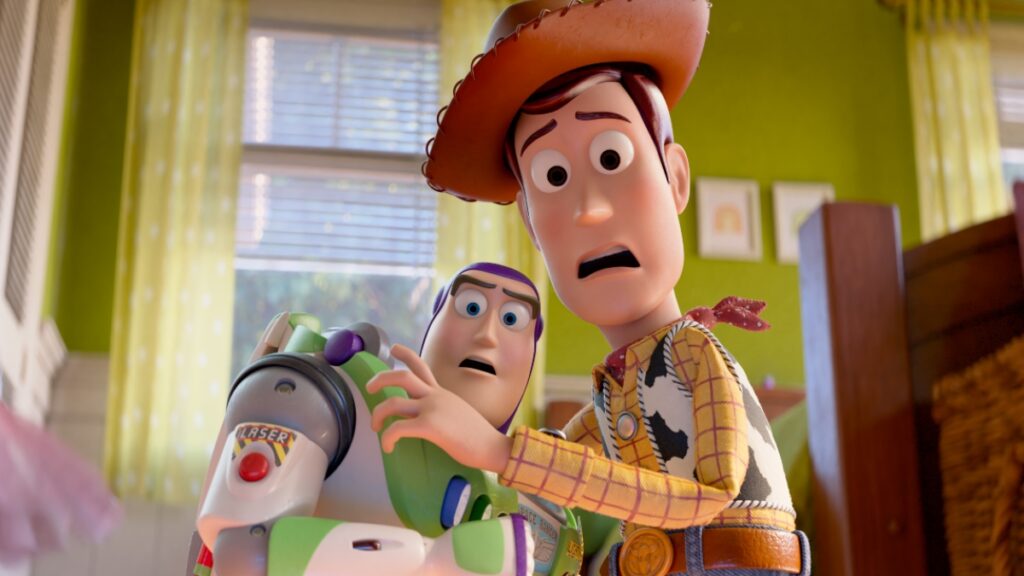
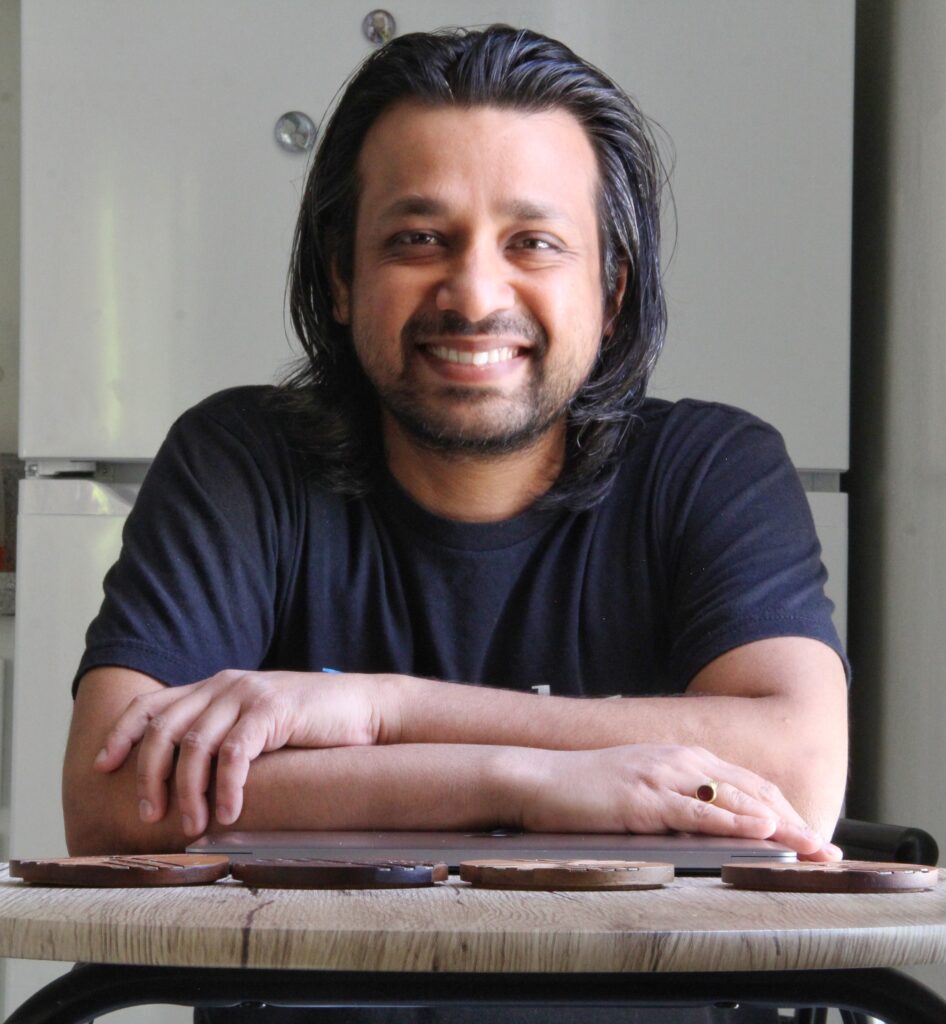
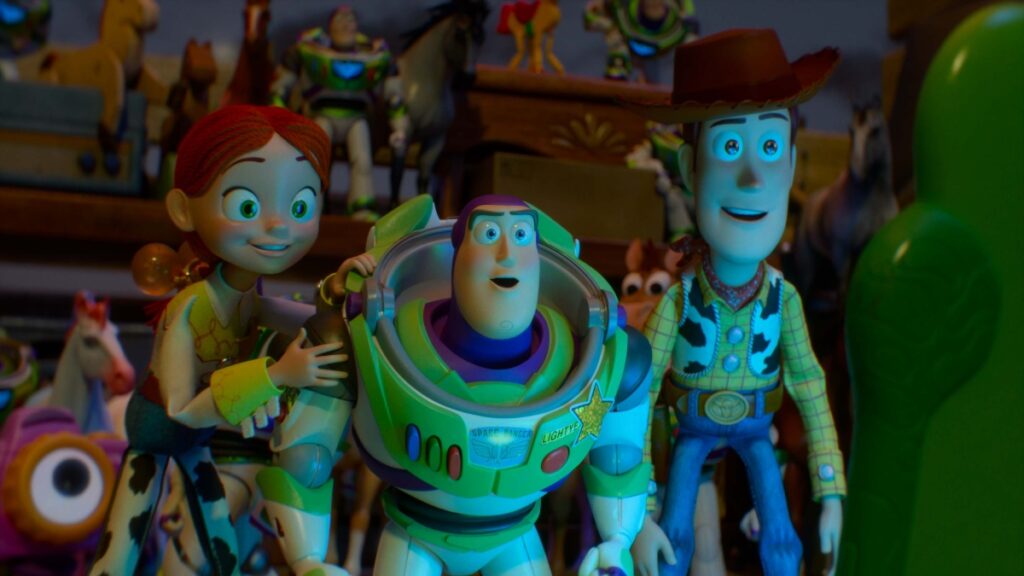
Ravindra Dwivedi was the sort of child who filled sketchbooks rather than emptied them. While classmates outgrew their hobbies, his only intensified, sustained, in no small part, by his mother’s encouragement. Decades later, his name sits in the credits of Toy Story Five. For a boy who grew up watching Woody and Buzz on a television set somewhere in India, that is not a small thing.
“We grew up watching these movies,” he says. “Being able to work on Toy Story Five is something I’m incredibly grateful for.”
The rat that lit the fuse
Most animators can identify the precise moment the medium stopped being entertainment and became vocation. For Dwivedi, it was Ratatouille. The 2007 Pixar film did not merely impress him; it reordered his understanding of what animation could do. The storytelling, the visuals, the emotional register: none of it felt like a cartoon. It felt like cinema at its most ambitious.
He credits that film as the single biggest reason he chose this path. Five years into his tenure at Pixar, he is now helping manufacture the very kind of wonder that once undid him as a viewer.
Toys, technology, and the passage of time
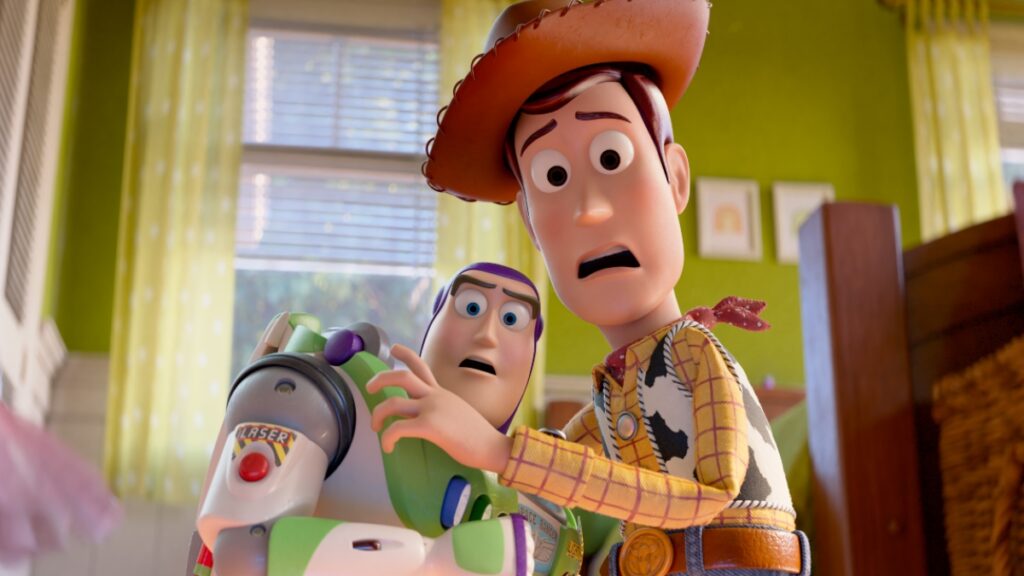
Working on the fifth instalment of Pixar’s flagship franchise gave Dwivedi a privileged vantage point on how far the craft has travelled. The original Toy Story, released in 1995, was a technical marvel; its plastic shading and surface rendering were genuinely groundbreaking. Human characters, however, remained rudimentary by comparison. Each subsequent Pixar film added a new layer to the technological edifice.
Toy Story Five presented a different kind of challenge. The goal was not realism but stylisation, specifically, a series of playtime sequences rendered in a deliberately heightened visual language. “It was exciting to see the technology evolve to support that artistic vision,” Dwivedi says.
Those sequences, he adds without much hesitation, were also the most fun to work on.
The pastel problem
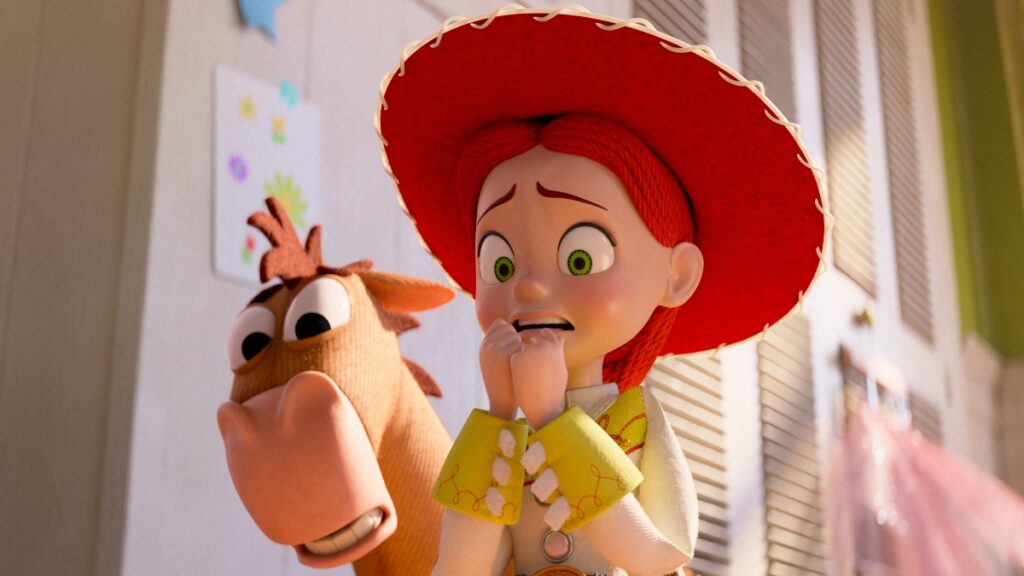
Fun, though, is not the same as easy. Achieving the film’s distinctive pastel aesthetic turned out to be one of the production’s more demanding technical puzzles. The team was not simply adjusting a colour palette; they were attempting to recreate on screen the tactile quality of paper, crayons and hand-drawn illustration, while holding to Pixar’s exacting production standards.
The solution required close collaboration across departments: lighting, compositing and several others, each stepping outside established workflows. “Everyone stepped outside their comfort zone to find solutions,” Dwivedi recalls. It is the kind of unglamorous, collective problem-solving that rarely makes it into profiles but makes films.
Advice with no asterisks
Asked what he would tell a young Indian artist who wants to end up where he has ended up, Dwivedi dispenses with caveats. Follow the passion. Think creatively. Make things. Set goals, pursue them, and absorb the setbacks without being broken by them.
For those seeking structure, he points to Pixar in a Box, the studio’s educational collaboration with Khan Academy, as a starting point worth taking seriously. His broader counsel is less about tools than temperament. “Animation is a medium through which you can tell stories in beautiful and unique ways,” he says. “Always stay curious. Understand how the pipeline works. Keep aiming towards strong visual storytelling.”
The horse who stays
One question remained. Which Toy Story character would he choose to be?
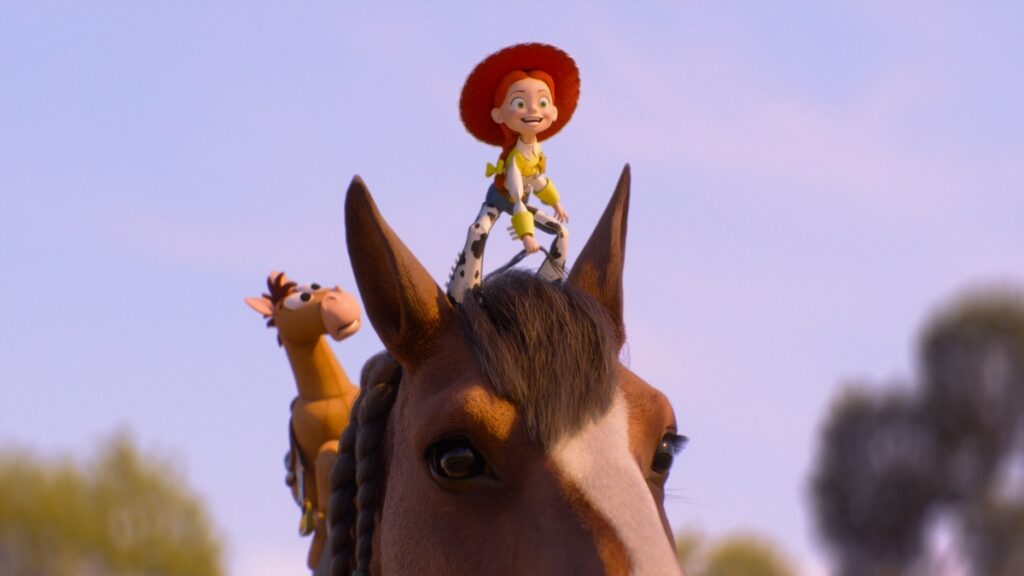
Bullseye, he said, without pausing.
Woody’s horse is, in Dwivedi’s reading, the purest embodiment of loyalty, the friend who shows up, without condition or complaint, whenever needed. It is a quietly revealing choice from someone who has spent his career inside a studio built on the premise that the things we love as children are worth taking seriously as adults.
