
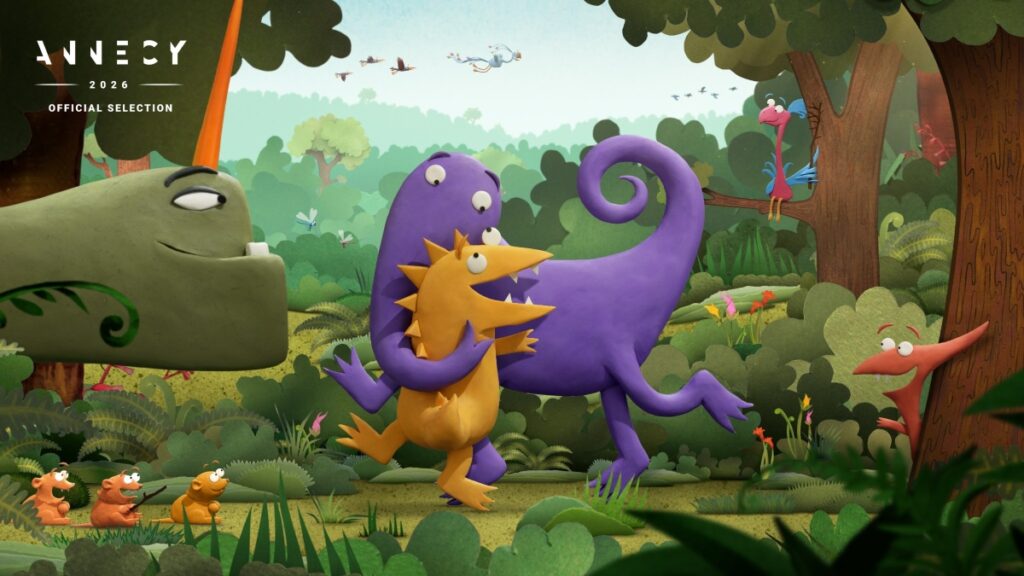
For nearly a decade, Kiri and Lou have quietly charmed audiences with their gentle humour, heartfelt friendship and unmistakable handcrafted aesthetic.
The beloved preschool duo has taken its biggest leap yet. Kiri and Lou Go Raaa!, New Zealand’s first stop-motion animated feature based on an existing franchise, made its world premiere at the Annecy International Animation Film Festival 2026, marking a significant milestone not just for the series but also for New Zealand’s animation industry. Created by writer-director Harry Sinclair and produced by Fiona Copland, the feature transforms the intimate five-minute storytelling of the original television series into a cinematic adventure while remaining faithful to the clay characters and paper-crafted world that audiences have embraced since 2018.
Speaking to AnimationXpress, Sinclair discusses why handmade animation matters more than ever, how the production scaled up for the theatrical screen, the emotional foundations of friendship, and why stories for children should always begin with the child that still exists within ourselves.
A special homecoming at Annecy
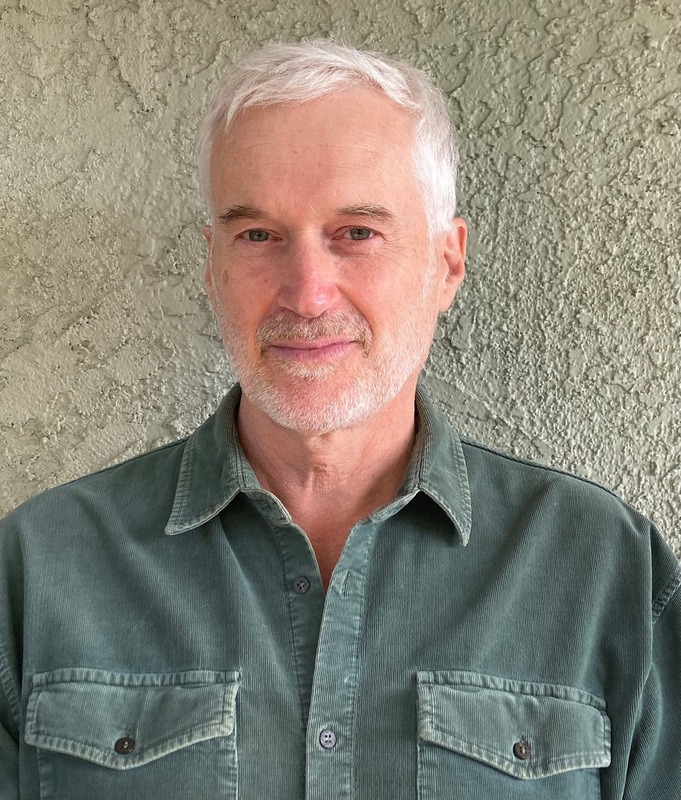
For Sinclair and his team, premiering Kiri and Lou Go Raaa! at the Annecy International Animation Film Festival carried an emotional significance beyond festival recognition. Calling the event “a very special place for animation,” Sinclair describes the selection as both an honour and a celebration of years of dedication.
“A lot of care, time and craft goes into making something like this,” he said. “To share it with an audience that truly understands and loves animation feels incredibly rewarding.”
Coming from New Zealand, where productions are often developed in relative isolation over many years, Annecy also offered something invaluable, a sense of belonging within the global animation community.
Why stop-motion still matters in a digital age
As contemporary animation increasingly embraces real-time rendering, CG and hybrid production techniques, Sinclair remains convinced that stop-motion offers something technology simply cannot replicate, the unmistakable presence of human craftsmanship.
For him, every frame carries the fingerprints of the artists who painstakingly move pieces of clay millimetre by millimetre, creating performances that are shaped entirely by human touch.
“The audience can actually feel the work that human beings have put into every frame,” he said. “No machine could ever do that work because it is transmitting human feeling from the animators to the audience in a very pure form.”
That philosophy remained the guiding principle while transforming Kiri and Lou from a five-minute television series into a theatrical feature. Rather than reinventing the visual language, the filmmakers focused on scaling it up without compromising its handcrafted identity.
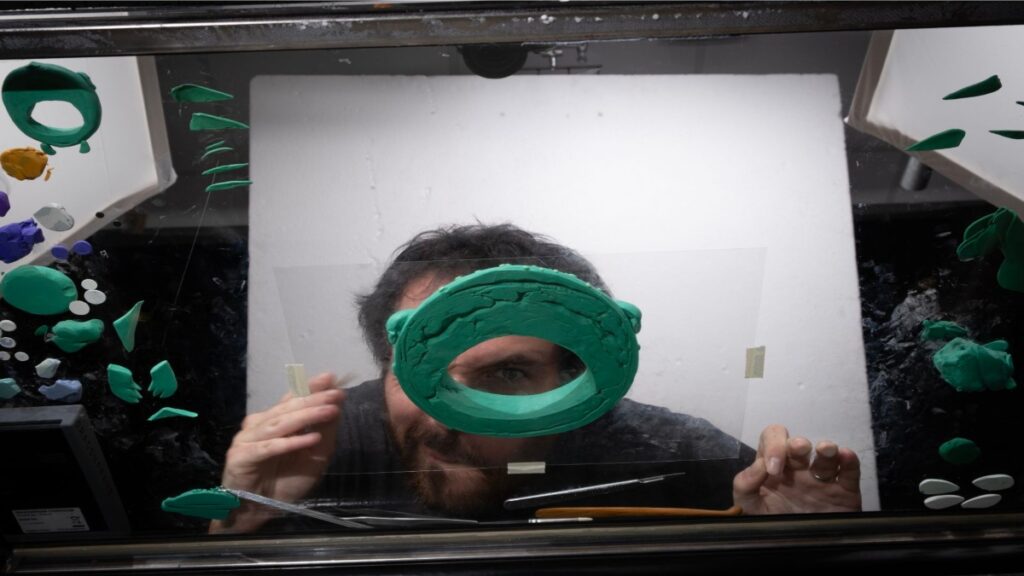
The clay characters continue to inhabit the same paper-crafted world as the original series, but everything around them grew considerably larger. Bigger puppets, more expansive sets, a wider cast of characters and far more intricate lighting were all introduced to suit the cinematic experience.
Sinclair credits co-director and animation director Ant Elworthy for elevating the production to feature-film scale, bringing a richer sense of cinematic detail while preserving the series’ tactile charm. “He really took it to a new cinematic level,” he said.
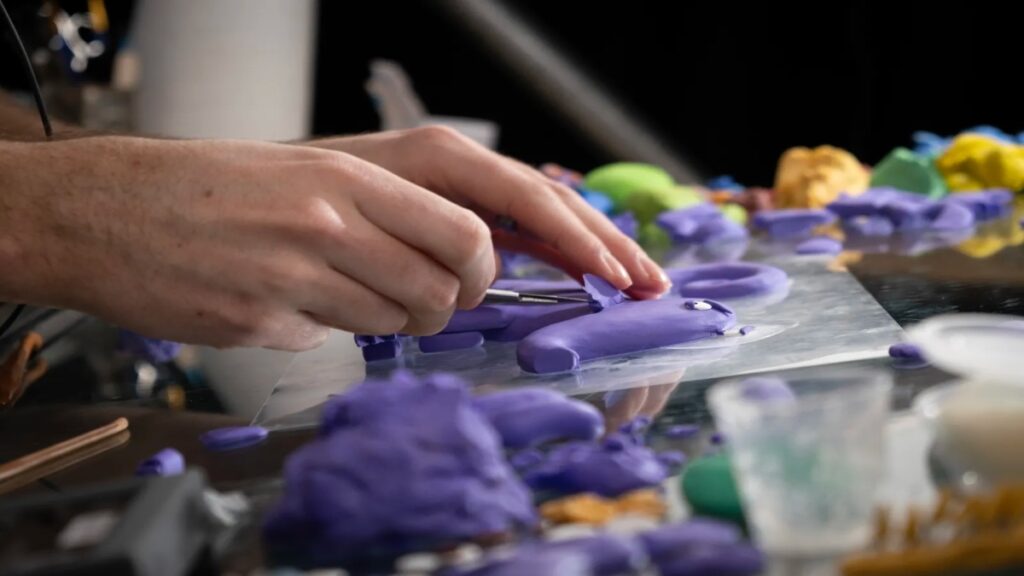
Despite the larger canvas, the essence of the production never changed. “When it comes down to it, it’s exactly the same craft and the same process, just on a much bigger scale.”
For Sinclair, that continuity is precisely what gives Kiri and Lou Go Raaa! its enduring appeal. In an era increasingly shaped by automation and artificial intelligence, he believes audiences continue to value films that visibly celebrate patience, artistry and the human hand.
“I think it’s more important than ever to create things that are hand-made by human beings,” he noted.
Writing from the child within
One of Sinclair’s defining philosophies has always been refusing to underestimate young audiences. Rather than asking what children should learn or enjoy, he prefers writing from a far more personal place.
“I don’t try to write as an adult talking to children,” he explained.
Instead, Sinclair reconnects with what he describes as the “very small person” that still exists inside him. That perspective allows the stories to remain authentic rather than instructional.
“I have no real interest in lessons,” he said. “I’m much more interested in humour, warmth and staying connected to the silliness and wonder inside yourself.”
The result is storytelling that speaks naturally to children while remaining emotionally honest for adults.
Building a theatrical adventure for the whole family
Expanding five-minute episodes into a sixty-minute feature presented entirely new storytelling challenges. Sinclair wanted to deliver a genuine cinematic adventure without overwhelming preschool audiences.
Large-scale theatrical storytelling, he noted, can become frightening for three- and four-year-olds. His solution was an elegant narrative device.
The film is framed by a tiny creature named Small telling the adventure to an even smaller listener called Pants. Whenever the story becomes too intense, Pants interrupts, asks questions or even requests that frightening moments be skipped altogether.
By repeatedly stepping outside the adventure, the director gently reminds young viewers that they are listening to a story rather than experiencing real danger.
During test screenings, the approach proved remarkably effective. Children visibly relaxed whenever the narrative returned to the framing scenes.
At the same time, he carefully layered humour, visual details and emotional beats that would equally entertain parents and older viewers.
“We wanted every member of the family to enjoy the movie,” he exclaimed.
Friendship remains the emotional core
Adventure may drive the feature, but friendship continues to define its emotional centre. The filmmaker admits many of the film’s emotional moments emerge directly from his own experiences.
Like most people, he has experienced the pain of hurting close friends and wondering how broken relationships can be repaired. Those feelings naturally found their way into Kiri and Lou’s journey.
“I’ve made a terrible mess of things. How can I fix it?” Sinclair recalled asking himself.
Rather than focusing on grand moral lessons, he explored the simple foundations of connection. As Lou famously says, friendship often begins with something as uncomplicated as a smile.
Because themes such as forgiveness, disappointment and reconciliation are universal, Sinclair believes they naturally transcend cultures and generations.
Music grows alongside the story
Music has always been central to Kiri and Lou, but the feature allowed Sinclair and longtime collaborator Don McGlashan to think on a much larger emotional canvas.
After creating more than one hundred episodes together, the pair finally had room to build recurring musical themes and longer emotional arcs. Some melodies quietly appear multiple times throughout the film before audiences finally hear them as complete songs, creating subconscious familiarity and emotional payoff.
“It creates a sense of recognition,” Sinclair explained.
The longer format also enabled more operatic storytelling than the series ever allowed. One particularly meaningful sequence introduces a new emotional perspective altogether.
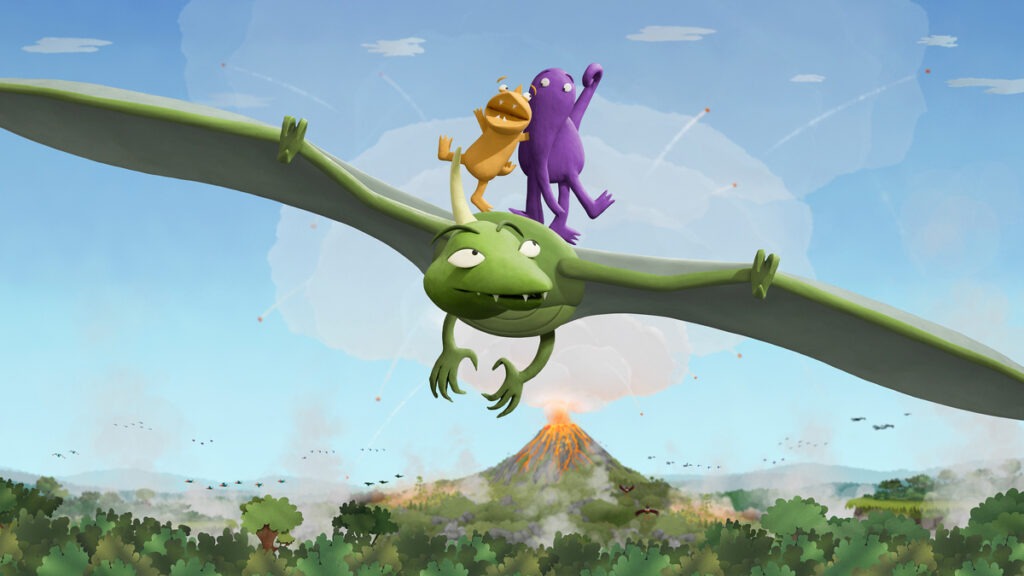
Rather than observing Kiri and Lou directly, audiences experience them through the eyes of Joanna, a giant pterodactyl whose song reflects how parents and caregivers often see the extraordinary qualities children cannot yet recognise in themselves.
For Sinclair, it is among the film’s most moving moments.
Kiwi stories powered by national support
Like many independent animated productions, Kiri and Lou Go Raaa! exists because of sustained public investment. The television series was supported by NZ On Air, while both NZ On Air and the New Zealand Film Commission helped finance the feature.
For Sinclair, such support forms the essential foundation that enables producers to secure international financing, broadcaster partnerships and private investment.
“It enables us to tell Aotearoa New Zealand stories,” he said.
These stories are made locally, about New Zealand, for New Zealand audiences first, before finding viewers across the world.
In an animation landscape increasingly shaped by technological innovation, Kiri and Lou Go Raaa! stands as a quiet but powerful reminder that craftsmanship remains timeless. Its world may be built from clay, paper and patient hands, but its emotional foundations, friendship, kindness, forgiveness and curiosity are universally human.
As the film takes its first bow on the world’s biggest animation stage at Annecy, Sinclair’s philosophy feels refreshingly simple: the most enduring stories are not those chasing technology, but those created with honesty, heart and the unmistakable touch of human hands.
