
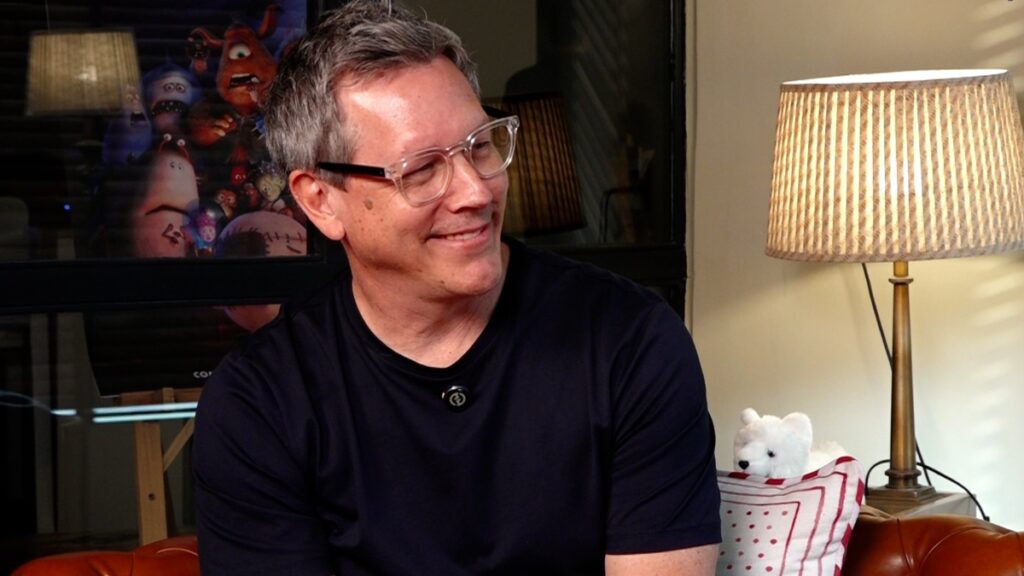
For decades, the animation industry operated under a rigid binary: creative direction in the West, execution in the East. But according to Sean P. Mullen, creative director at Assemblage Entertainment, that boundary is beginning to blur.
Mullen, an industry veteran whose credits stretch from the hand-drawn majesty of The Lion King to the boundary-pushing TMNT: Mutant Mayhem, believes we are entering a “New Era of Mature Storytelling”—a transformation that is increasingly finding its creative pulse within India’s evolving animation landscape.
The “Spider-Verse” effect: When animation becomes high drama
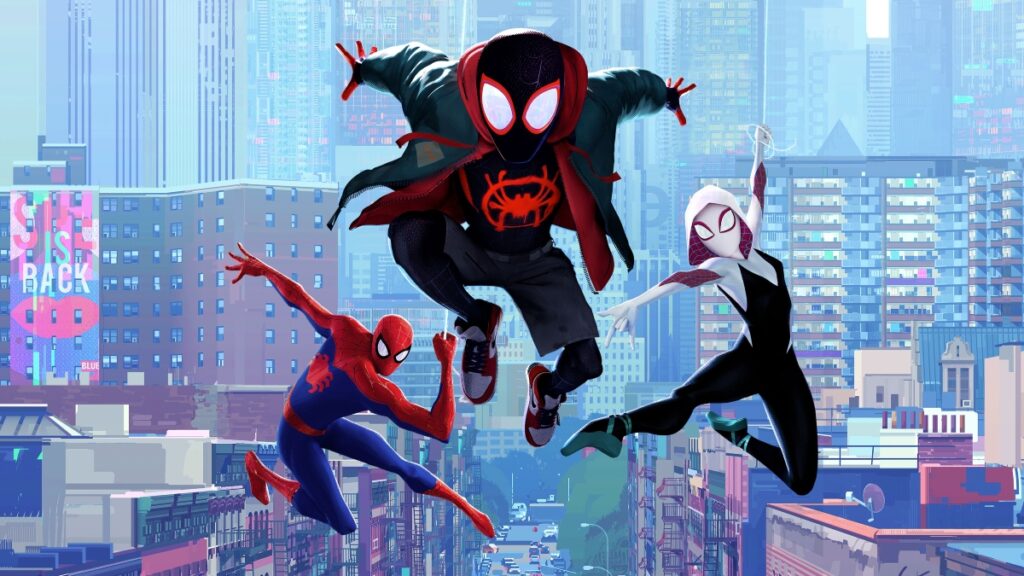
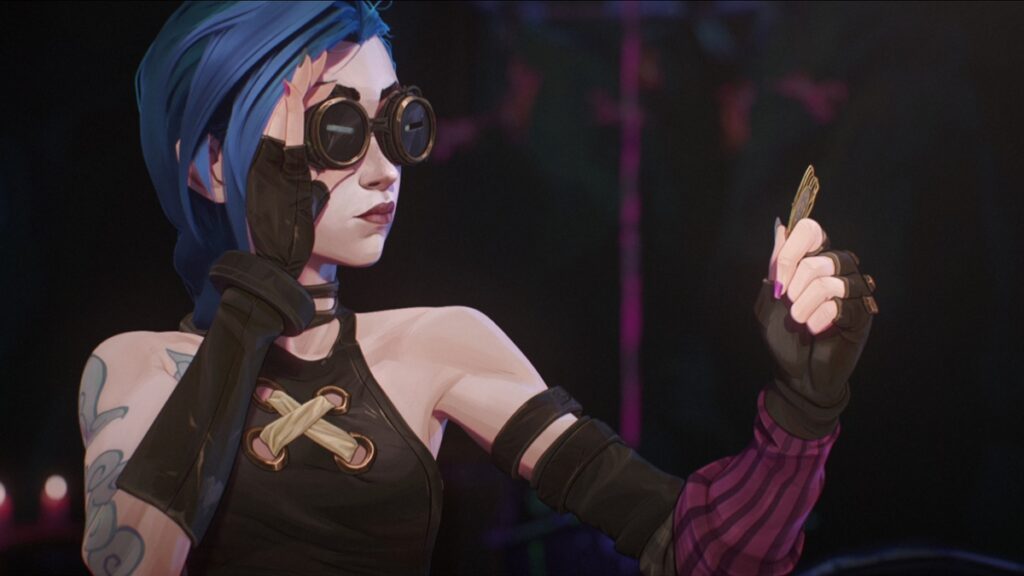
For years, the industry felt pigeonholed into creating content solely for children. However, Mullen noted that the tide turned with the arrival of ambitious projects like Spider-Man: Into the Spider-Verse and Arcane. These weren’t just “cartoons”; they were sophisticated dramas that proved animation could appeal to a broad, adult audience, much like anime has done in Japan for decades.
This shift has fundamentally redefined “quality” in animation. It’s no longer just about how clean a frame looks, but about the character depth and performance expectation on screen.
In a series like Arcane, characters aren’t just archetypes; they possess “real personalities” with conflicting motives and trauma. This requires a story that functions as more than a simple parable, creating a visceral emotional connection with the viewer.
“In the early days, acting in animation came from the artist’s gut,” mentioned Mullen—it was often exaggerated and caricatured. Today, the bar is set by the subtle, nuanced micro-expressions, seen in the Spider-Verse films. Animators are no longer just moving a character from point A to point B; “they are sophisticated digital actors delivering authentic, vulnerable performances that were once thought possible only in live-action,” he explained.
“The amazing thing about animation is that there is no limitation,” he added. “We are moving toward stories about real characters that you feel a visceral connection to. As audiences demand more human performances, the role of the animator has shifted from a technician to a true actor.”
India’s creative “blossoming”
This global appetite for “mature” content has opened a door for the Indian animation industry to move beyond its traditional role as a vendor. Mullen, who moved to India in 2015, has seen the local talent pool undergo a creative awakening. In the past, work coming to India was “prescriptive”—artists were told exactly what to do with no room for input. But as global clients found themselves stretched thin, they began to rely on the artistic voices of Indian teams.
“It’s not that the artists here didn’t have the capability; it’s just that they were never asked to use it,” Mullen observed. “Now, we are seeing artists in the Indian animation industry blossom into their full artistic capability. They are no longer just delivering an order; they are bringing something new to the project.”
The shift is also reflected in how business is done. With the rise of independent animation and visionary directors, creators want to move away from the “big studio” vendor model. Instead, they are seeking collaborative partners.
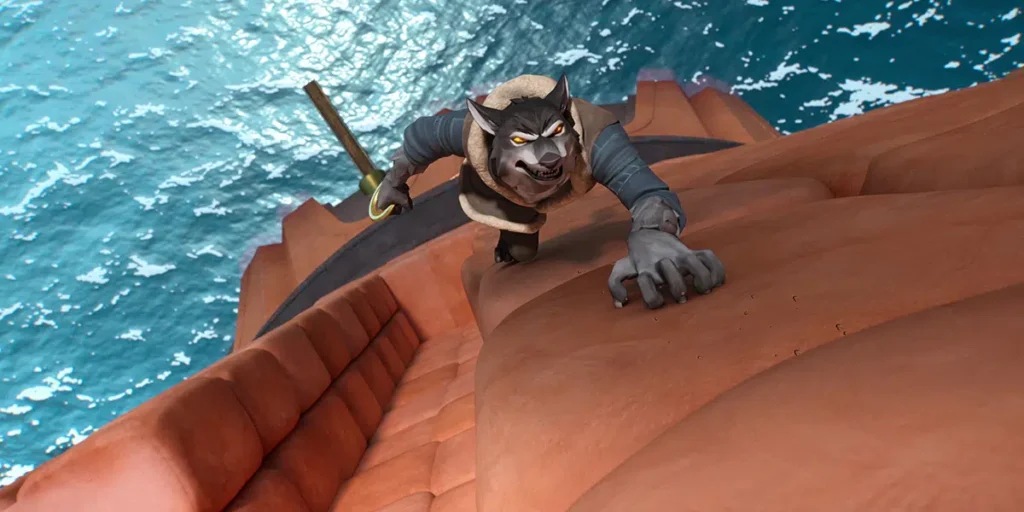
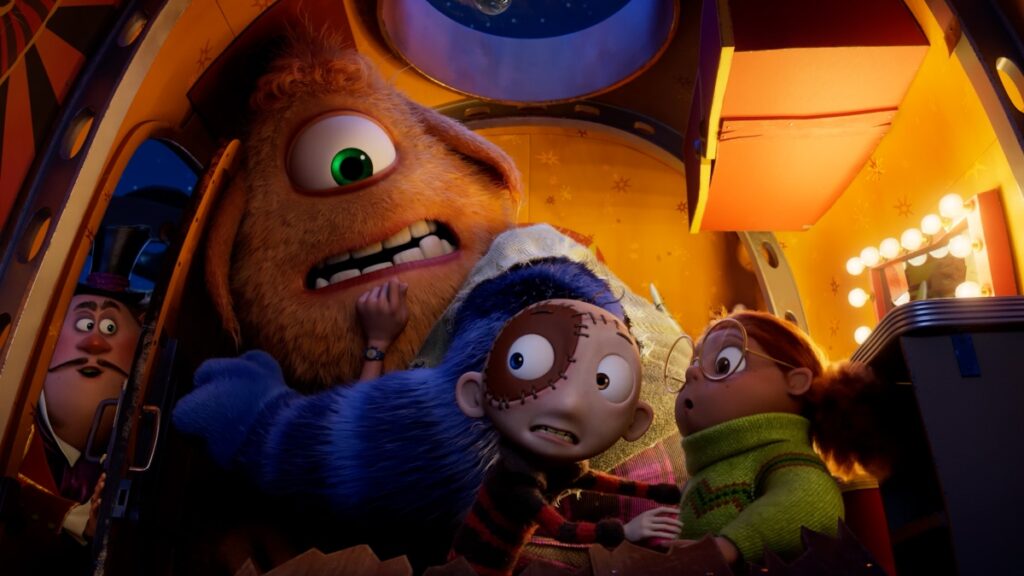
Mullen points to Assemblage Entertainment as an example of this transition, noting the studio’s consistent climb in creative standards. Even before his arrival, projects like the Netflix series Wolf King and the feature Stitch Head signaled a studio that was rapidly outgrowing the “vendor” label.
“More than any other studio I have seen, if you look at the credits of the films and shows that Assemblage has been part of, with every project, the quality level has gone up a notch,” he noted. Now, his mission is to leverage the studio’s leadership and talent to push those boundaries even further. “Assemblage fosters a mindset of collaboration and partnership. Knowing the projects we are embarking on now, that quality level is only going to continue to rise. As an artist, you just want to make something awesome.”
He also feels that with the rise of independent animation, directors are looking for studios that are creative partners, not just service providers. “India is on the cusp of finding its own unique voice and identity—much like Japan found anime or Europe found its distinctive cinematic style.”
Looking ahead: A universal voice
As India begins to develop its own IPs like Mahavatar Narsima and Baahubali: The Eternal War – Part 1, the challenge lies in translating local traditions and “lingo” into a universal language. Mullen is optimistic. He sees a future where Indian-developed projects are distributed globally, not because they are “from India,” but because they are world-class examples of mature, emotional storytelling.
“At this point in my career, it’s incredibly satisfying to mentor these teams,” he concluded. “Seeing India realise its own style and voice in projects developed here and distributed globally—that is what is truly exciting.”
