
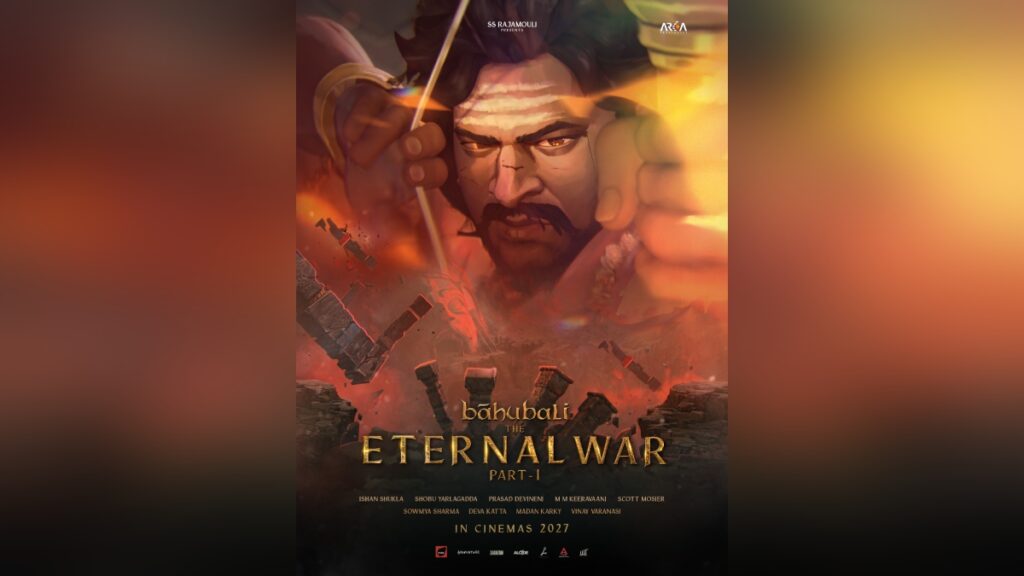
“Baahubali had such a passionate fan base that there was a constant awareness of not wanting to let that expectation down.”
For Ajey Lele, art director on Baahubali: The Eternal War, that pressure was part of the everyday creative process. Bringing the franchise into animation meant more than translating a familiar world into a new medium. It meant creating an animated world that felt distinctly its own while holding on to the spirit, scale and grandeur audiences associated with Baahubali.
Lele joined the project after working as a background painter on Avatar: The Legend of Aang. He interviewed with director Ishaan Shukla and started as a colour visual development artist, exploring how different locations should look and, more importantly, how they should feel. Some environments were already in development. Many remained under wraps because of the project’s ongoing production and NDA restrictions.
“Concept art came first, rough explorations of how locations should look and feel, followed by cleanup and visual development, with the colour script happening in parallel,” Lele explained.
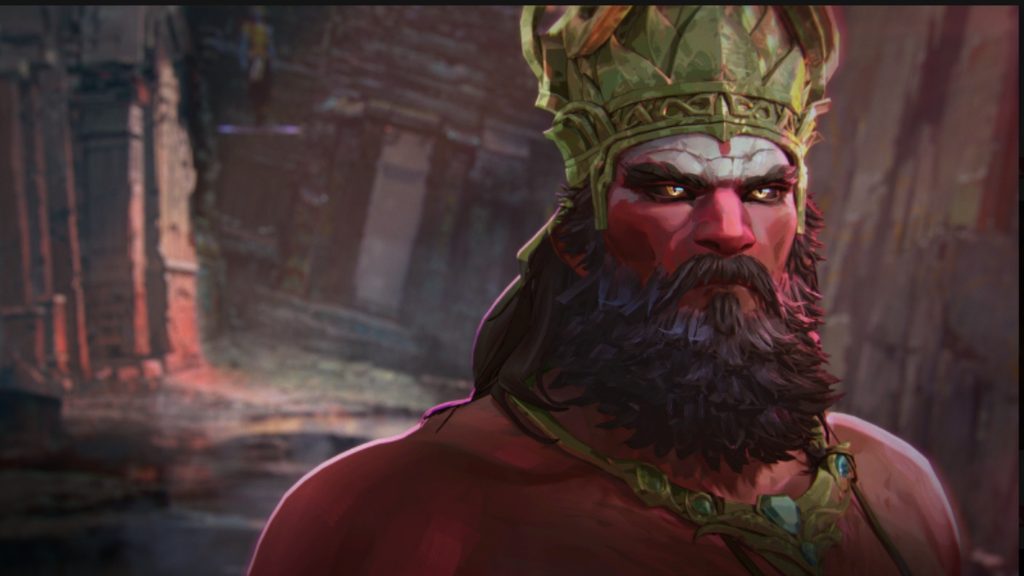
The challenge was not to reproduce the live-action films frame for frame. It was to understand what made the world recognisably Baahubali and then reinterpret it through animation.
“It was less about matching specific details and more about staying true to the spirit and scale people already knew from Baahubali,” he said.
That approach gave The Eternal War room to develop its own visual identity. Animation offered a freedom live-action could not always match. Environments could be built from scratch rather than being limited by existing locations or physical sets.
Most characters had already been designed before the environments around them were developed, but the process did not stay strictly linear. As the world evolved, some characters evolved with it.
“It wasn’t always a strict one-way process,” Lele said. “Some characters evolved alongside the environments as we went.”
Working with the director had been one of the most rewarding parts of the job. Lele described Ishaan Shukla as one of the most collaborative filmmakers he had worked with, someone willing to listen and give ideas room to develop.
“Over time that collaboration had turned into something more than just a working relationship,” he said. “He had become like a mentor and a friend to me.”
Meeting S.S. Rajamouli had initially carried a sense of intimidation. “He wasn’t someone who made people feel small around him,” Lele recalled.
Behind the scenes, Lele’s role as art director was to maintain the larger visual direction set by production designer Sam Klughertz and FLO, keeping the environments consistent as the animated world took shape. The work had pushed him on architectural language, colour choices and the need to stay connected to the franchise without simply repeating what had already been seen.
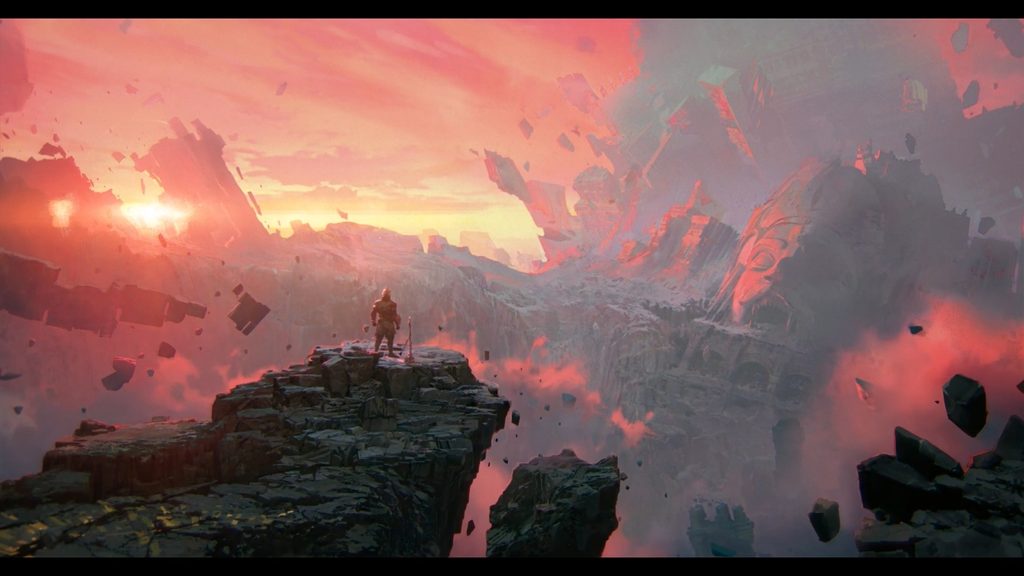
The pressure of the fan base was real. So was the excitement. Baahubali: The Eternal War let its artists explore a world audiences already felt connected to, while using animation to expand what that world could look and feel like.
“It was also genuinely fun, and one of the best learning experiences I’d had so far,” Lele said.
His hope went beyond recognition. “More than anything, I wanted people to walk away seeing how much potential India’s own stories and characters had.”
That was the quiet ambition behind the project. To take a world audiences already knew and give it an entirely new canvas.
